1
0.1. FOREWORD
0.1
xvii
Foreword
The intent of this document is to allow for a reasonably quick and yet reliable
decision on what RT (Real Time), extension, if any at all, to the GNU/Linux
operating systems is best suited for a specific problem. In surprisingly many
cases this decision will result in plain main stream Linux being the best
decision so a clear focus is on the capabilities of main stream Linux. To
allow this decision to be on the grounds of sound understanding of the key
issues an introduction to the core problems of RTOS (Real Time Operating
System) implementations in GPOS (General Purpose Operating System) is
given preceded by definitions of some of the key terminology used.
This first version of the study is the dry-run version, it is exclusively
based on published material and studying of the documentation of the different variants - in this sense it is a preparation for the anticipated second
phase study that will include testing and comparing on specified platforms.
Nevertheless we believe this study can provide a first level of guidance for
managers and engineers that need to make an GPOS/RTOS decision.
0.1.1
Goals
When Linux started in 1991 there was no trace of real-time for Linux to
be found and probably not much thought was given to this issue - at the
same time work groups on Real Time UNIX were working on concepts and
implementations of Real Time enhanced UNIX. As one such effort REAL/IX
was started, based on a main stream UNIX (AT&T Sys V) its developing
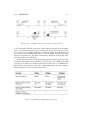
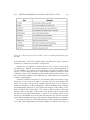
team published there work on REAL/IX [1] in 1991 noting some key issues
for the success of a real time UNIX.
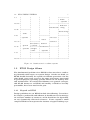
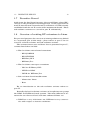
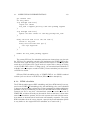
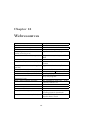
Advantage for Users
Software portability
Database Conversion
Programmer retraining
and Availability
Flow of Enhancements
Proprietary
Proprietary System
Months/Years
Years
Big Issues
Vs. Open Systems
Open System
Hours/Weeks
Hours/Days
Negligible
Controlled by Computer Manufacturer
Free Market for Major
Innovations
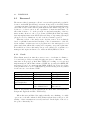
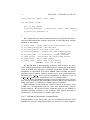
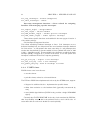
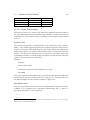
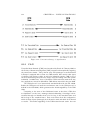
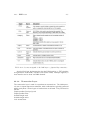
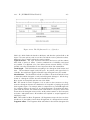
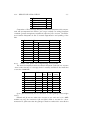
Table 1: Proprietary vs Open Systems (from ”Real Time Unix Systems Design and Application Guide” KAP 1991)
When this was published the authors hardly were thinking of a fully
open source real time enhanced GNU/Linux system that would prove the
validity of these assumptions several years later. In the light of the above
the goals of this study are: