1
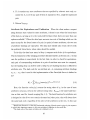
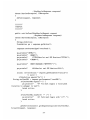
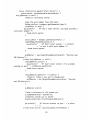
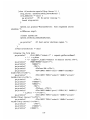
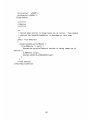
it when writing model files. In point of fact, this rule carries throughout any XML
document; the elements must appear in a fixed order.
Attribute Definitions
There are two components to every attribute construct: a type declaration and a
name. In essence, attributes are declared in the same way as variables are in any
programming language. Attribute names can consist of any character sequence that
does not include the & or = characters. In addition, attribute names cannot be one
of the three keywords which are used in requests to the DataLink Server: view,
resource and history.
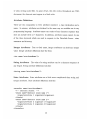
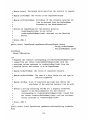
Integer Attributes
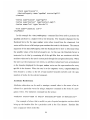
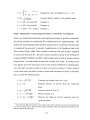
True to their name, integer attributes can hold any integer
value. Integer attribute definitions have the form:
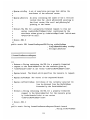
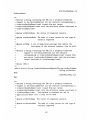
<int name="attributeName"/>
String Attributes
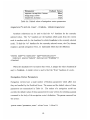
The value of a string attribute can be a character sequence of
any length. String attribute definitions look like:
<string name="attributeName"/>
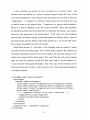
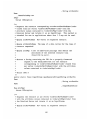
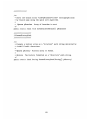
State Attributes
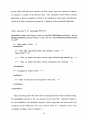
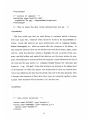
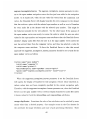
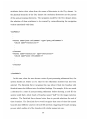
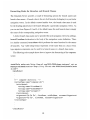
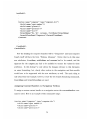
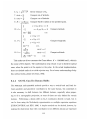
State attributes are a little more complicated than string and
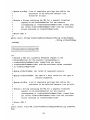
integer attributes. State attribute definitions look like:
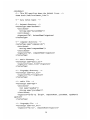
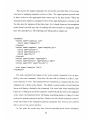
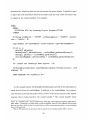
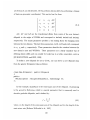
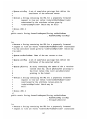
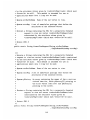
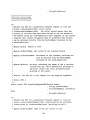
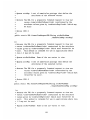
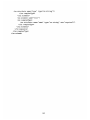
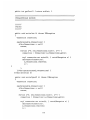
<stateVar name="attributeName">
<!-- abstract states: -- >
<state name="abstract
<signature>state 1
</state>
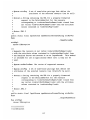
<state name="abstract
<signature>state 2
<signature>state 2
</state>
</stateVar>
state name 1">
signature</signature>
state name 2">
signature 1</signature>
signature 2</signature>
50