1
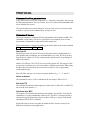
Example of a command frame
We want to send a command MEA CH 1 ? to a device with address 1. The command
frame is represented below with the hexadecimal values of the bytes:
<ID> M E A
C H
1
? <ETX> <BCC>
81 4D 45 41 20 43 48 20 31 20 3F 03
6F
BCC is calculated by applying XOR on all bytes except ID (× represents XOR
operation):
4D×45×41×20×43×48×20×31×20×3F×03 = 6F
Response frame
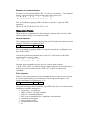
When the device is commanded, it will send back a response frame. It can be either
normal response (ACK) or error response (NAK).
Normal response
The response packet starts with response start byte ACK (06h), then comes the actual
response, ETX (03h), and finally the BCC.
ACK response
ETX BCC
BCC is calculated by applying XOR on all response frame bytes, including the start
byte ACK or NAK!
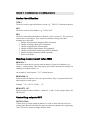
Assume the panel meter/transmitter has a result 21.3. It will answer to the MEA
command with a response frame:
<ACK> 2 1 . 3 <ETX> <BCC>
06
32 31 2E 33 03
1B
Note that some commands cause the device to send an empty response
(<ACK><ETX><BCC>) to indicate that the command has been received but there is
nothing to say (kind of OK response). DISP, OUT, and DO are this kind of
commands.
Error response
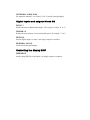
If there is error in the transfer or in the command, the device sends an error response.
It is started with NAK byte (15h) instead of ACK, and the actual response is an
integer consisting of Ascii characters ‘0’-‘9’.
NAK error number
ETX BCC
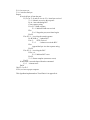
The precise meaning of the error number is specified in the device user manual. Most
common error number meanings are:
0 Device busy – try again later
1 Buffer overflow – too long command
2 Timeout – command interrupted
3 BCC error in command frame – disturbance in transmission
4 Command not recognized
5 First parameter invalid
6 Second parameter invalid
7 etc