1
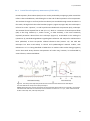
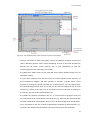
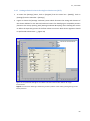
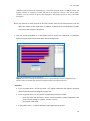
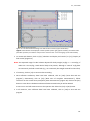
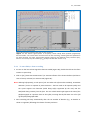
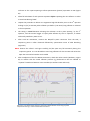
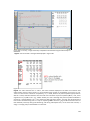
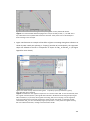
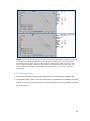
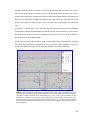
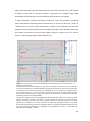
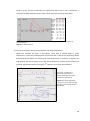
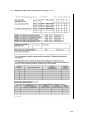
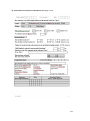
6.3 Analysis and reporting of passive respiratory mechanics data As mentioned in section 3.4.4, only data collected using the single occlusion technique will be discussed Data may be identified and retrieved for review and analysis as described in section 6.1.2 Ensure data were collected during periods of quiet sleep and no leak was evident 6.3.1 Main outcomes – total respiratory compliance (Crs) – total respiratory resistance (Rrs) 6.3.2 Data evaluation As described in section 2.3.2, the airway occlusion techniques for assessing passive respiratory mechanics are based on the ability to invoke the Hering Breuer (Inflation) Reflex (HBR) in infants and young children when lung volume is held above the end-expiratory level Provided rapid equilibration can be reached during brief periods of no flow, the relaxation pressure at the airway opening represents alveolar pressure, which in turn represents the summed elastic recoil pressure of the lung and chest wall during periods of muscle relaxation The algorithms for calculating total compliance and resistance of the respiratory system are – Crs = Volume mL/kPa Pressure Crs,SO = Rrs = Vext mL/kPa P1 where Vext is the extrapolated expiratory portion of the flow/volume loop to zero flow and P is the mean pressure at the airway opening during relaxation (shown by a plateau) against an end-inspiratory occlusion (Figure 104) t i meconst ant kPa/L/s Crs Rrs,SO = Trs 0.38 kPa/L/s Crs where 0.38 is the resistance of the apparatus (Rapp), and rs (shown as the solid red line in Figure 104) is volume/flow as calculated from the regression of the descending expiratory portion of the flow/volume loop 142