1
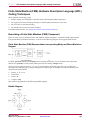
Chapter 3: XST Hardware Description Language (HDL) Coding Techniques
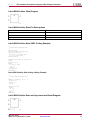
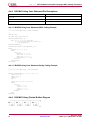
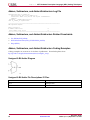
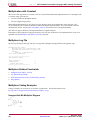
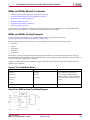
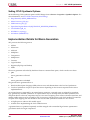
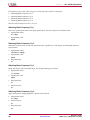
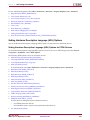
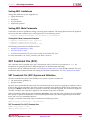
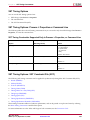
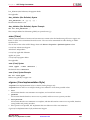
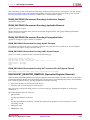
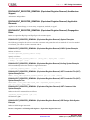
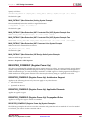
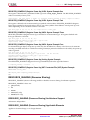
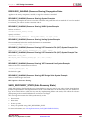
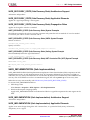
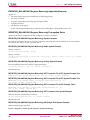
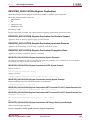
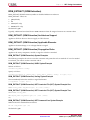
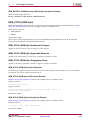
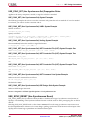
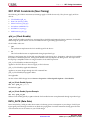
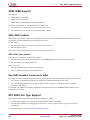
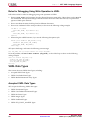
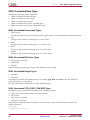
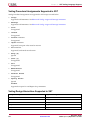
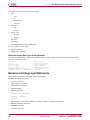
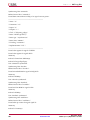
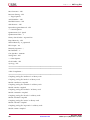
RAMs and ROMs Related Constraints
•
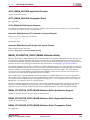
BRAM Utilization Ratio (BRAM_UTILIZATION_RATIO)
•
Automatic BRAM Packing (AUTO_BRAM_PACKING)
•
RAM Extraction (RAM_EXTRACT)
•
RAM Style (RAM_STYLE)
•
ROM Extraction (ROM_EXTRACT)
•
ROM Style (ROM_STYLE)
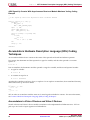
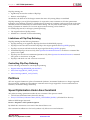
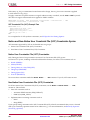
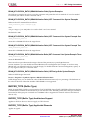
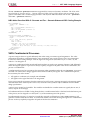
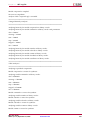
XST accepts LOC and RLOC constraints on inferred RAMs that can be implemented in a single block RAM
primitive. The LOC and RLOC constraints are propagated to the NGC netlist.
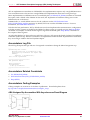
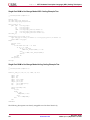
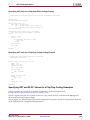
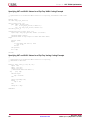
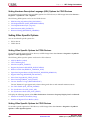
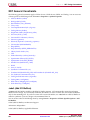
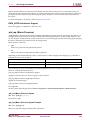
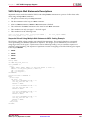
RAMs and ROMs Coding Examples
Coding examples are accurate as of the date of publication. Download updates from
ftp://ftp.xilinx.com/pub/documentation/misc/examples_v9.zip.
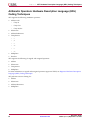
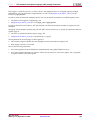
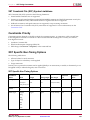
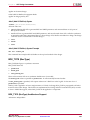
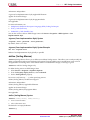
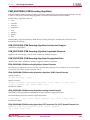
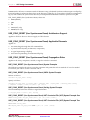
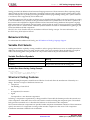
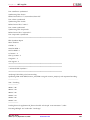
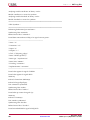
Block RAM resources in the following devices offer different read/write synchronization modes:
•
Virtex®-4
•
Virtex-5
•
Spartan®-3
•
Spartan-3E
•
Spartan-3A
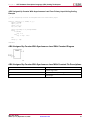
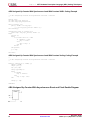
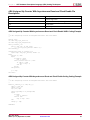
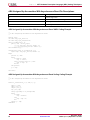
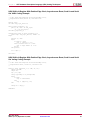
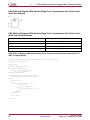
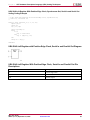
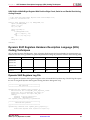
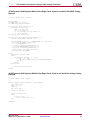
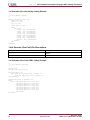
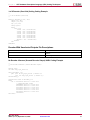
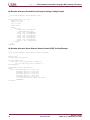
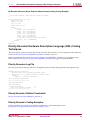
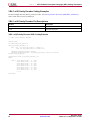
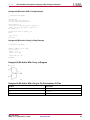
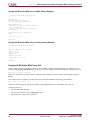
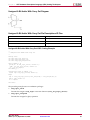
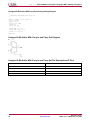
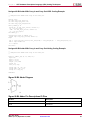
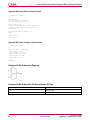
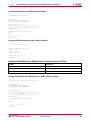
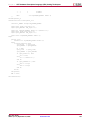
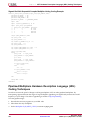
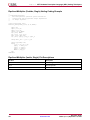
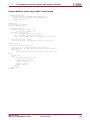
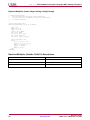
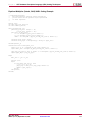
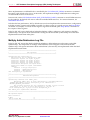
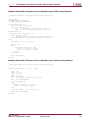
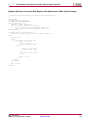
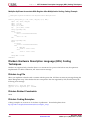
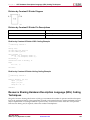
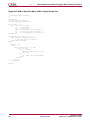
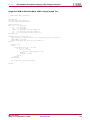
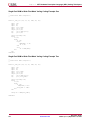
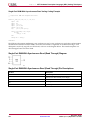
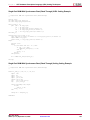
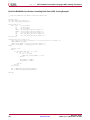
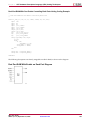
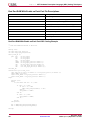
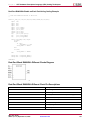
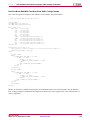
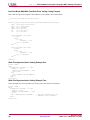
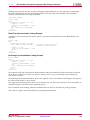
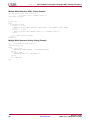
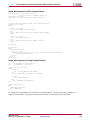
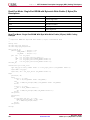
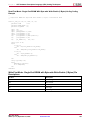
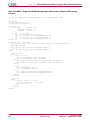
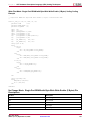
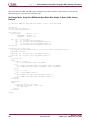
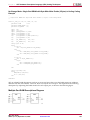
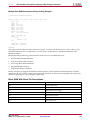
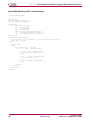
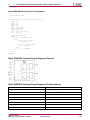
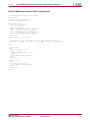
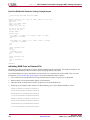
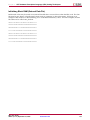
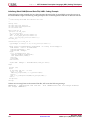
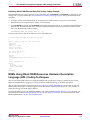
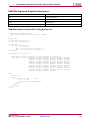
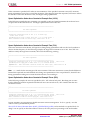
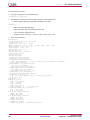
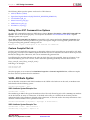
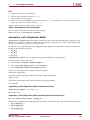
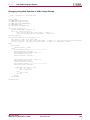
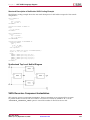
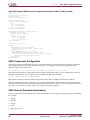
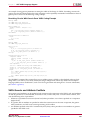
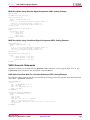
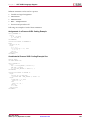
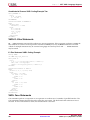
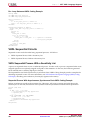
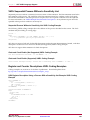
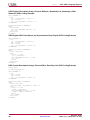
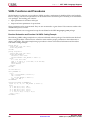
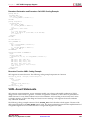
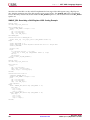
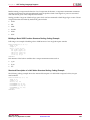
The following coding examples describe a single-port block RAM. You can deduce descriptions of dual-port
block RAMs from these examples. Dual-port block RAMs can be configured with a different read/write mode on
each port. Inference supports this capability.
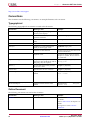
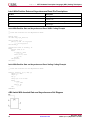
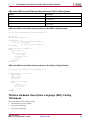
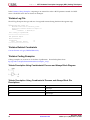
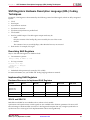
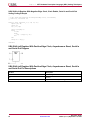
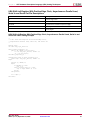
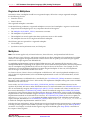
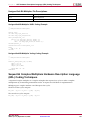
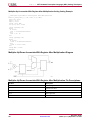
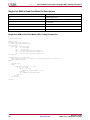
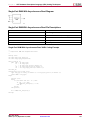
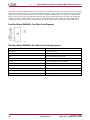
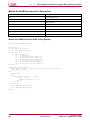
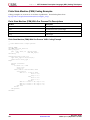
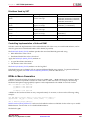
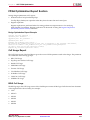
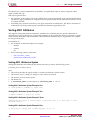
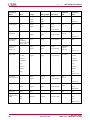
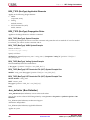
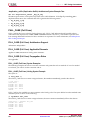
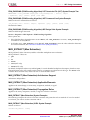
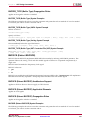
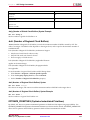
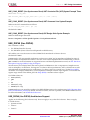
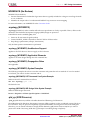
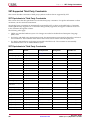
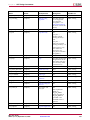
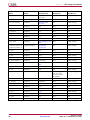
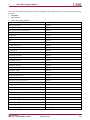
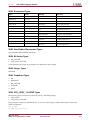
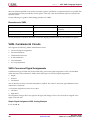
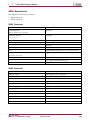
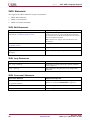
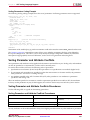
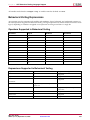
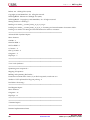
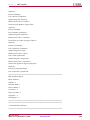
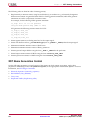
Support For Read/Write Modes summarizes support for read/write modes according to the targeted devices
and how XST handles it.
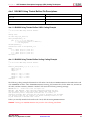
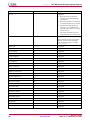
Support For Read/Write Modes
Devices
Inferred Modes
Behavior
Spartan-3
write-first
Macro inference and generation
Spartan-3E
read-first
Spartan-3A
no-change
Attach adequate WRITE_MODE,
WRITE_MODE_A, WRITE_MODE_B
constraints to generated block RAMs
in NCF
none
RAM inference completely disabled
Virtex-4
Virtex-5
CPLD
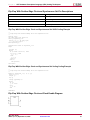
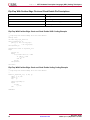
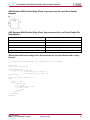
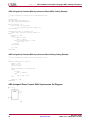
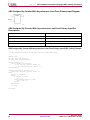
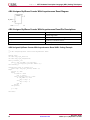
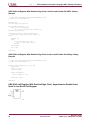
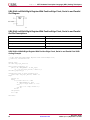
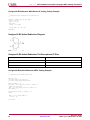
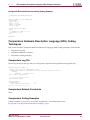
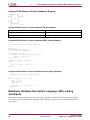
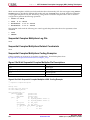
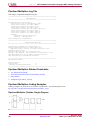
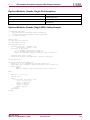
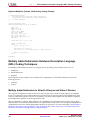
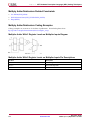
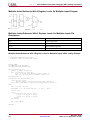
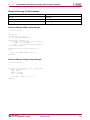
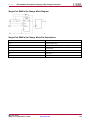
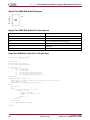
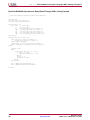
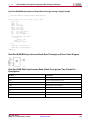
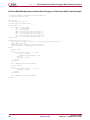
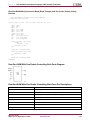
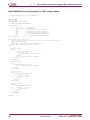
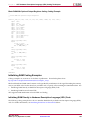
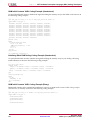
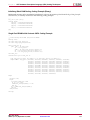
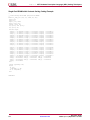
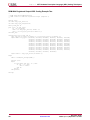
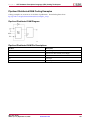
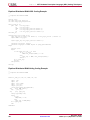
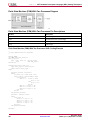
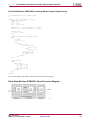
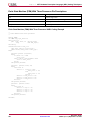
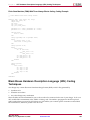
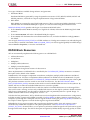
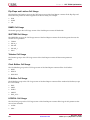
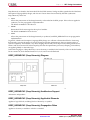
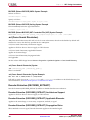
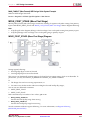
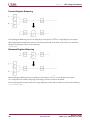
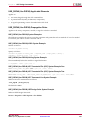
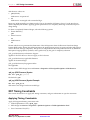
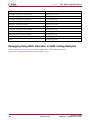
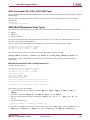
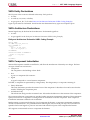
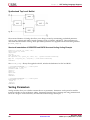
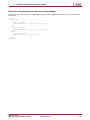
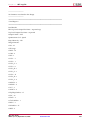
Single-Port RAM in Read-First Mode Diagram
XST User Guide
UG627 (v 11.3) September 16, 2009
www.xilinx.com
129