1
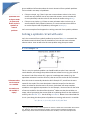
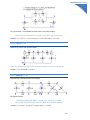
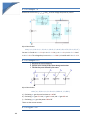
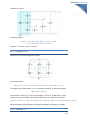
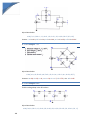
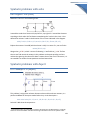
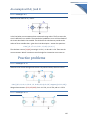
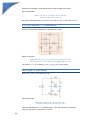
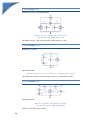
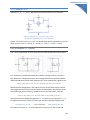
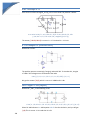
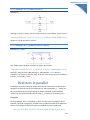
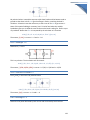
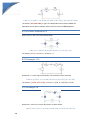
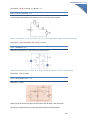
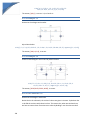
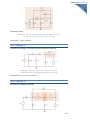
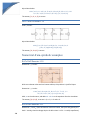
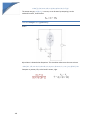
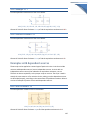
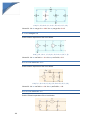
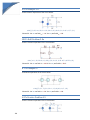
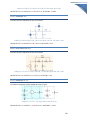
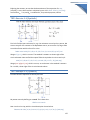
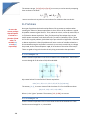
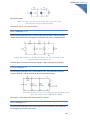
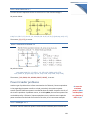
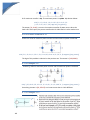
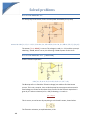
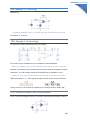
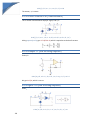
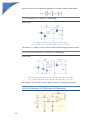
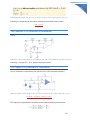
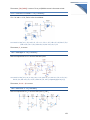
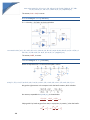
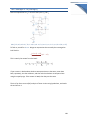
Symbolic problems with solve HK5’s Figure 1-24a (solve) Determine ix and vx in the following circuit. I named the nodes thus: bottom is 0, top left is 1, top right is 2. I named the elements according to their value: this facilitates remembering who’s who in the circuit. I also defined the resistors’ nodes in the direction of the current indicated in the diagram. s \dc ( " e 18 ,1 , 0, 18 :r a, 1, 0,r a: r 6 ,1 , 0, 6:r 5, 2 ,1 ,5 : e vx , 2, 0 , vx " ) Explore the answers. Since ir5 (which we know is 12A) is in terms of vx, we can find vx: s o l ve( ir 5 = 12 , vx ) We get that vx is 78 V, which is correct. Evaluating ir6 we find that ix is 3 A. The fact that we can find numerical answers in this problem can be quite puzzling until one realizes that ignoring the value of RA doesn’t matter: due to the circuit’s structure, it is not needed it to answer the two questions we have been asked. Symbolic problems with Expert B11’s Example 6.19 (Expert) This problem, having three unknown element values and three known answers, is a perfect candidate for the expert mode. Below is my circuit description.5 tru e s \s i :s \ ex ( "e 1 ,1 ,0 , e :r 1, 1 ,0 ,2 k :r 2, 1, 0 ,r r 2 :r 3, 1, 0 ,rr3 ") Select DC. Add these three equations: 5 In the expert mode, we avoid using as values to be solved any variable between r1 and r99, which are reserved variables. We also avoid using an element’s name as its symbolic value. 121