1
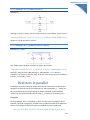
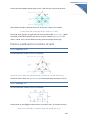
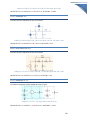
Def in e v 1 = 1: Def in e v2 = 0: v o =- 4
Def in e v 1 = 0: Def in e v2 = 1: ex pa n d( vo) = 4
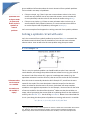
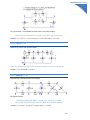
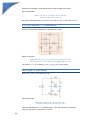
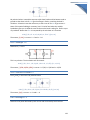
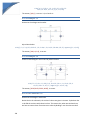
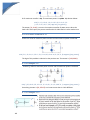
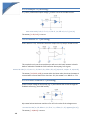
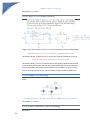
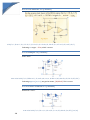
This time the book asks that you use R1 = 10K and R3 = 10K. So we do that.
s o l ve( a ns ( 1 ) an d a ns ( 2) ,{ r 2 ,r4 }) |r1 = 1 0 00 0 a nd r 3 =1 0 00 0
We get r2=40000 and r4=40000, the correct values for the remaining resistors.
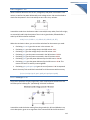
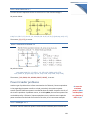
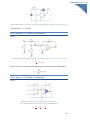
AS2's Practice Problem 5.8 (Instrumentation)
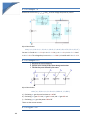
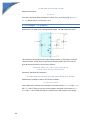
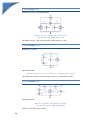
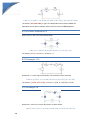
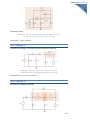
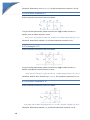
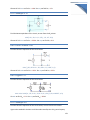
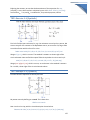
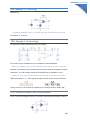
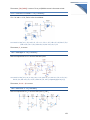
Find io.
tru e s \s i :s \ dc ( "e 1 ,1 ,0 , 8. :e 2 ,2 ,0 , 8. 01 : o1 ,1 , 3, 3: o 2, 2, 4, 4 :r 1 ,3 , 5, 2 0k :
r 2, 4, 6 ,2 0k :r 3 ,5 , o, 40k :r 4, 6, 0 ,4 0k :o 3, 6, 5 ,o :r 5, o, 0, 1 0k "): ir 5
In the schematic, the current io corresponds to ir5 . The answer, 2.E-6, is correct.
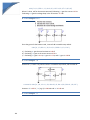
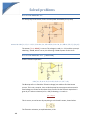
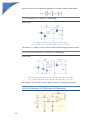
Bo2's Example 3.3 (Cascade)
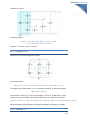
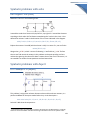
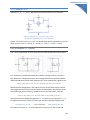
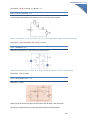
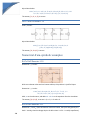
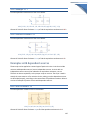
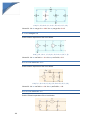
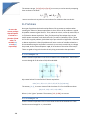
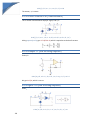
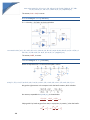
Find vo in terms of the conductances and the applied voltage vS.
s \dc ( " e, 1 ,0 , vs :r 1 2, 1, 2, 1/ g 1 :r 14 , 1, 4, 1/ g 2 :r 4 o, 4, o, 1 /g 3 :
r2o , 2, o, 1/ g 4 :r 2 3, 2, 3 ,1 / g :r 3 4, 3, 4, 1 /g :o 1 ,0 , 2, 3 : o2 , 0, 4, o ")
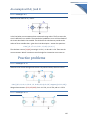
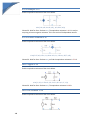
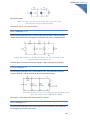
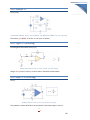
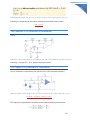
Evaluating vo we get:
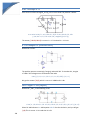
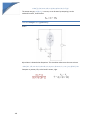
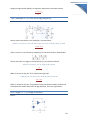
(g1 − g2) vs
g3 − g4
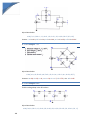
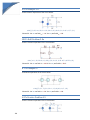
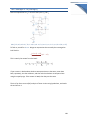
which is correct, as can be seen by comparing it to the book's answer, shown below:
177