1
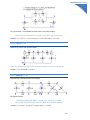
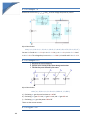
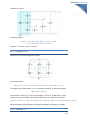
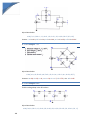
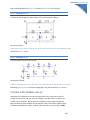
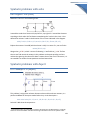
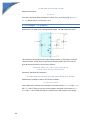
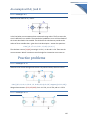
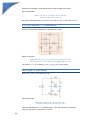
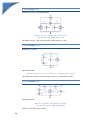
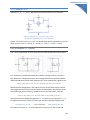
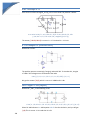
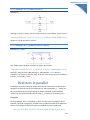
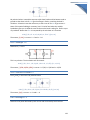
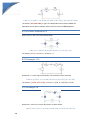
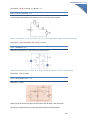
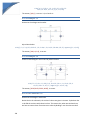
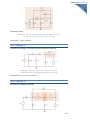
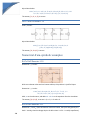
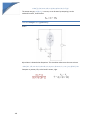
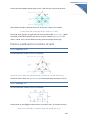
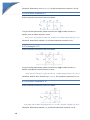
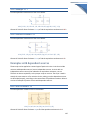
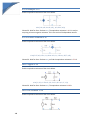
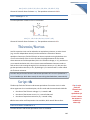
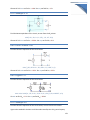
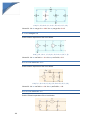
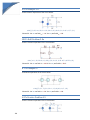
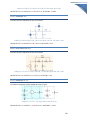
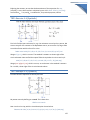
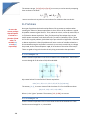
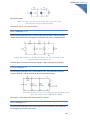
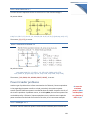
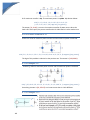
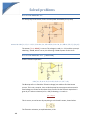
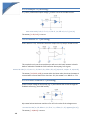
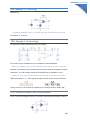
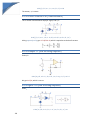
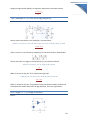
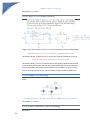
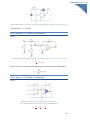
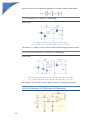
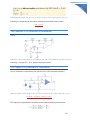
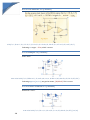
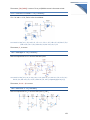
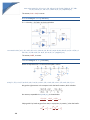
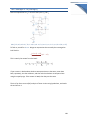
Choose DC. Via ino we find INO = 10 A. Via req we find REQ = 1 Ω. B11's Example 9.12 Find the Norton equivalent of the circuit, as seen from the RL resistor. s \t h( "r 2 , 1, 0, 4 : r 1 ,1 , 2, 5: j ,1 ,2 ,1 0 ", 2 ,0) Choose DC. Via ino we find INO = 5.56 A. Via req we find REQ = 9 Ω. HK5's Drill Problem 2-8b Find the Thévenin equivalent of the circuit below. s \t h( "j , 0, 2, 0 .0 1 v 1 :r ,0 ,2 ,2 0 : e ,1 ,2 , 10 0 ", 1, 0) Choose DC. Via vth we find VTH = 125 V. Via req we find REQ = 25 Ω. HK5's Figure 2-27 Find the Thévenin equivalent of the circuit below. tru e s \s i :s \ th( " e, 1 ,0 ,4 :r 2 ,1 , 2, 2k :r 3 ,2 ,x , 3 k :j ,0 ,2 , vx / 4 00 0 ",x ,0 ) Via vt h we find VTH = 8 V. Via r eq we find REQ = 10 kΩ. B11's Example 9.8 Find the Thévenin equivalent of the circuit below, as seen from the R4 resistor. I ignore the textbook's decision to call the nodes a and b, since b is ground anyway. 151