1
Question 14
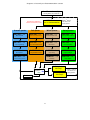
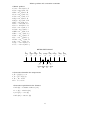
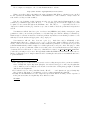
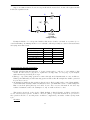
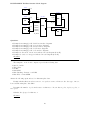
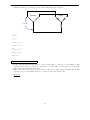
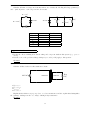
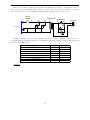
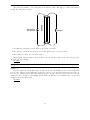
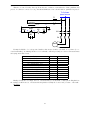
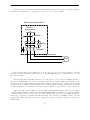
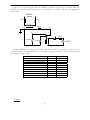
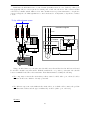
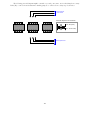
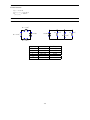
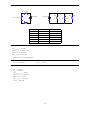
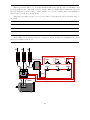
Suppose an ammeter inserted between test point C and the nearest lead of resistor R2 registers 10 mA
in this series-parallel circuit:
R3
C
A
E
1 kΩ
R2
1 kΩ
R1
B
1 kΩ
F
D
10 mA
(24 volts
voltage-limited)
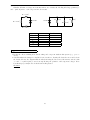
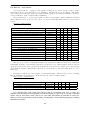
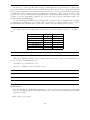
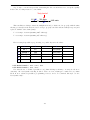
Identify the likelihood of each specified fault for this circuit. Consider each fault one at a time (i.e. no
coincidental faults), determining whether or not each fault could independently account for all measurements
and symptoms in this circuit.
Fault
R1 failed open
R2 failed open
R3 failed open
R1 failed shorted
R2 failed shorted
R3 failed shorted
Current source dead
Possible
Impossible
Suggestions for Socratic discussion
• Identify which fundamental principles of electric circuits apply to each step of your analysis of this
circuit. In other words, be prepared to explain the reason(s) “why” for every step of your analysis,
rather than merely describing those steps.
• This type of problem-solving question is common throughout the Instrumentation course worksheets.
What specific skills will you build answering questions such as this? How might these skills be practical
in your chosen career?
• An assumption implicit in this activity is that it is more likely a single fault occurred than multiple,
coincidental faults. Identify realistic circumstances where you think this would be a valid assumption.
Hint: research the philosophical proverb called Occam’s Razor for more information! Are there any
realistic circumstances where the assumption of only one fault would not be wise?
This question is typical of those in the “Fault Analysis of Simple Circuits” worksheet found in the
Socratic Instrumentation practice worksheet collection (online), except that all answers are provided for
those questions. Feel free to use this practice worksheet to supplement your studies on this very important
topic.
file i04489
34