1
C. Titration of biotinylated phosphopeptide and/or nonphosphorylated peptide substrate
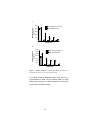
To ease the optimization of an antibody-free kinase assay
using the AlphaScreen PhosphoSensor Acceptor beads,
we recommend obtaining the phosphorylated version of the
peptide substrate. Titration of this positive control in parallel
with the biotinylated substrate will allow evaluation of the
expected signal window. It should be noted, however, that
the availability of a phosphorylated peptide is not essential
to develop a kinase assay using the AlphaScreen PhosphoSensor Kit.
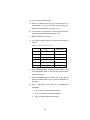
For peptide titration assays, the biotinylated peptide (as
well as the phosphopeptide, if available) should be added
to the plate diluted in the kinase reaction buffer, whereas
the beads (both Acceptor and Donor) should be added to
the plate in the detection buffer.
For the majority of biotinylated peptides tested, the standard detection buffer composition is:
10 mM Tris‑HCl pH 7.0, 100 mM NaCl, 0.1% Tween-20.
However, optimization of the detection buffer must be performed when observing high non-specific binding of the
biotinylated substrate. Ionic strength, nature of the buffer,
and pH of the detection reaction can influence the nonspecific binding of some peptide sequence.
Note 1: Do not use PBS since it contains phosphate,
which will bind to the PhosphoSensor Acceptor
beads
and
displace
the
phosphorylated
substrate.
Note 2: Be aware that the presence of ATP in the detection reaction may alleviate the non-specific bind-
13