1
AEROFLEX GAISLER
261
23
MIL-STD-1553B / AS15531 Interface
23.1
Overview
LEON4-NGMP-DRAFT
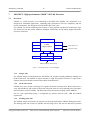
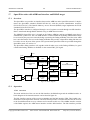
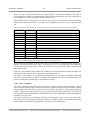
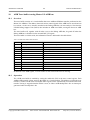
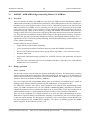
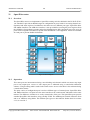
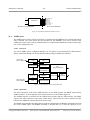
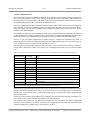
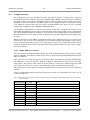
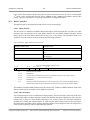
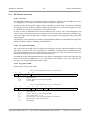
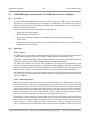
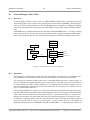
This interface core connects the AMBA AHB/APB bus to a single- or dual redundant MIL-STD1553B bus, and can act as either Bus Controller, Remote Terminal or Bus Monitor.
MIL-STD-1553B (and derived standard SAE AS15531) is a bus standard for transferring data
between up to 32 devices over a shared (typically dual-redundant) differential wire. The bus is
designed for predictable real-time behavior and fault-tolerance. The raw bus data rate is fixed at 1
Mbit/s, giving a maximum of around 770 kbit/s payload data rate.
One of the terminals on the bus is the Bus Controller (BC), which controls all traffic on the bus. The
other terminals are Remote Terminals (RTs), which act on commands issued by the bus controller.
Each RT is assigned a unique address between 0-30. In addition, the bus may have passive Bus Monitors (BM:s) connected.
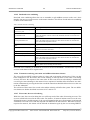
There are 5 possible data transfer types on the MIL-STD-1553 bus:
•
BC-to-RT transfer (“receive”)
•
RT-to-BC transfer (“transmit”)
•
RT-to-RT transfer
•
Broadcast BC-to-RTs
•
Broadcast RT-to-RTs
Each transfer can contain 1-32 data words of 16 bits each.
The bus controller can also send “mode codes” to the RTs to perform administrative tasks such as
time synchronization, and reading out terminal status.
23.2
Electrical interface
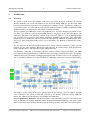
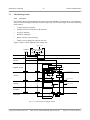
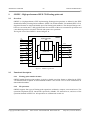
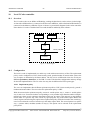
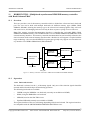
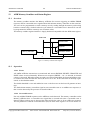
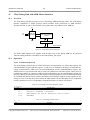
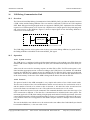
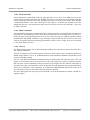
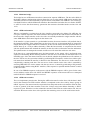
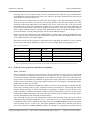
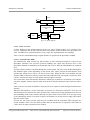
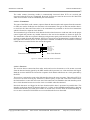
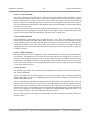
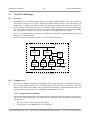
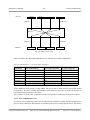
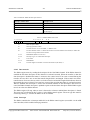
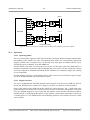
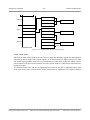
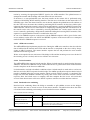
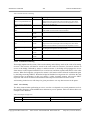
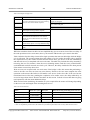
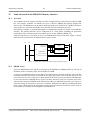
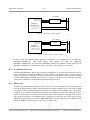
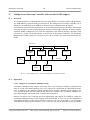
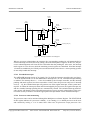
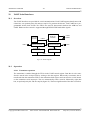
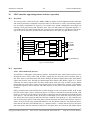
The core is connected to the MIL-STD-1553B bus wire through single or dual transceivers, isolation
transformers and transformer or stub couplers as shown in figure 35. If single-redundancy is used, the
unused bus receive P/N signals should be tied both-high or both-low. The transmit/receive enables
may be inverted on some transceivers. See the standard and the respective component’s data sheets
for more information on the electrical connection
Copyright Aeroflex Gaisler AB
ESA contract: 22279/09/NL/JK Deliverable: D9
May 2013, Version: Draft-2.1