1
Tru-Traffic 9.0: Quality-Assured Traffic Signal Coordination
Lane Group Parameters
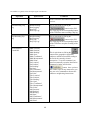
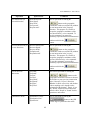
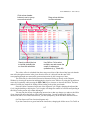
These are parameters which affect only the volume and saturation flow calculation associated
with a particular lane group for the currently-selected
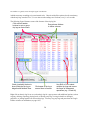
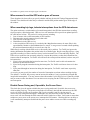
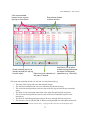
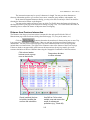
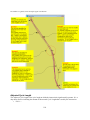
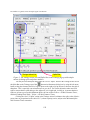
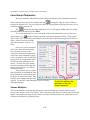
timing plan. They are used on PlatoonProgression diagrams only. They are displayed in the Lane Group Parameters dialog box where you can
examine and change them at will.
The
timing-plan-dependent parameters in Tru-Traffic appear in blue, while the timingplan-independent parameters appear in black.
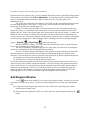
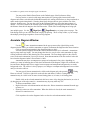
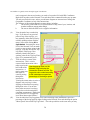
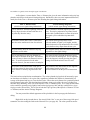
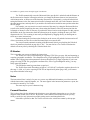
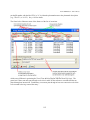
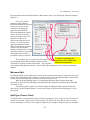
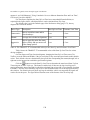
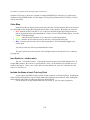
To view the parameters for a given lane group of the selected intersection, use one of the lane
group buttons (e.g.,
) on the Volumes page of the Intersection Parameters dialog. These buttons
may be either “flat” or protruding, depending on your preference in the Desktop page of the Preferences
dialog. If they’re flat, they protrude
only when the mouse cursor is over
them.
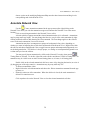
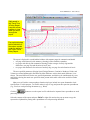
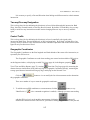
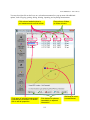
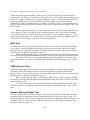
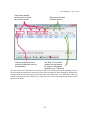
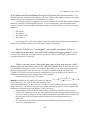
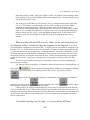
Once you've set the parameters
in the Lane Group Parameters dialog
box as desired, you may use the
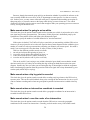
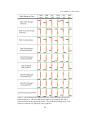
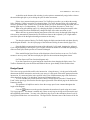
Controls for restricting the application
of the Lane Group Parameters to apply
some or all of these values to other lane
groups on this or all approaches of this
or all intersections along this are all
arteries. You may also opt to change
only those parameters in the other lane
groups whose initial (i.e., pre-edited)
values are identical.
These controls give you a great
deal of flexibility in extending the Lane
Group Parameters to other lane groups,
but please use them with caution. They
can make many changes throughout the
network. Use the Edit: Undo command to recover from any
unintended changes.
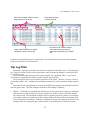
Controls for restricting the
application of the Lane
Group Parameters
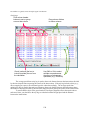
Volume Multiplier
The Volume Multiplier for a particular lane group is used to multiply the volume for that lane group
wherever the volume is used in Tru-Traffic. This is especially useful when you wish to study what would
happen to the progression along an artery when all volumes at an intersection (or at all intersections) are
increased or decreased by a particular factor.
142