1
CHAPTER 5. IMPLEMENTATION
5.3.3
Limit checking
The process to check the limits of a parameter can also be divided in two, in the
same way as the calibration module.
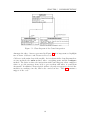
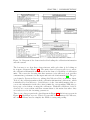
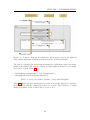
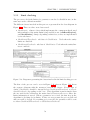
The different classes involved in this part are represented in the class diagram in
Figure 5.10. There are three new classes used:
• CheckLimits: abstract class which implements the common methods used
independently of the sanity limits being enabled or not. isInErrorRegion()
and checkLimits() change depending on that fact, so they are implemented
by its subclasses.
• CheckLimitsThreeLevels: subclass of CheckLimits. Used when the sanity
limits are disabled.
• CheckLimitsFourLevels: subclass of CheckLimits. Used when the sanity limits are enabled.
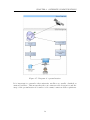
Figure 5.10: Diagram representing the classes involved in the limit checking process
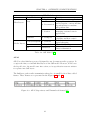
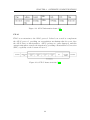
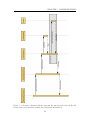
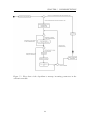
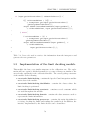
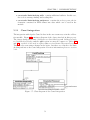
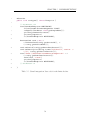
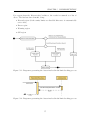
The flow of the process can be seen in Figure 5.11 whereas Figure 5.12 shows
the sequence diagram with the messages between the classes. For the sake of
clarity, CheckLimits should be interpreted as CheckLimitsThreeLevels or CheckLimitsFourLevels, depending on the case. This algorithm is much simpler than
the one used for the calibration; the main class is ParameterProcessor, where the
limits information is stored. When a parameter is received, the first step in the
algorithm is checking for its limits. If they are not present the process will end
and error will be logged. If everything goes correctly, the parameter will be sent
to either CheckLimitsThreeLevels or CheckLimitsFourLevels.
56