1
ARIB TR-B15
Version 4.1-E1
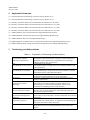
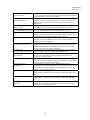
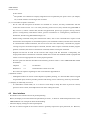
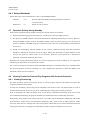
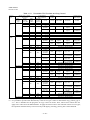
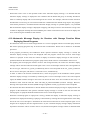
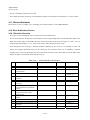
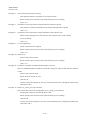
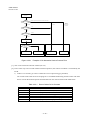
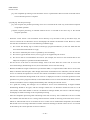
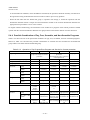
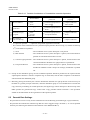
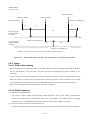
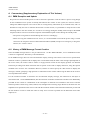
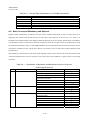
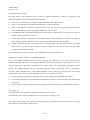
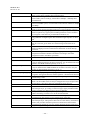
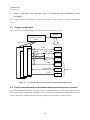
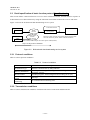
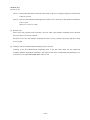
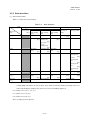
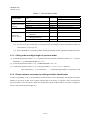
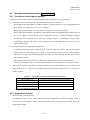
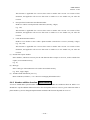
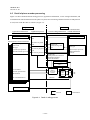
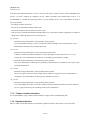
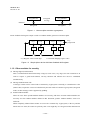
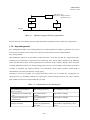
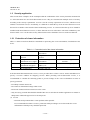
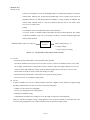
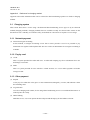
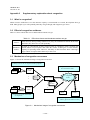
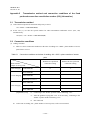
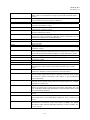
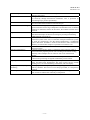
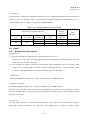
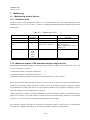
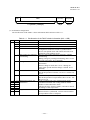
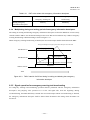
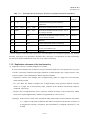
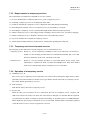
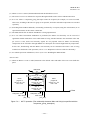
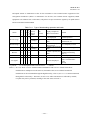
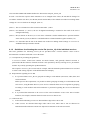
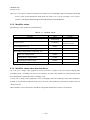
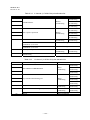
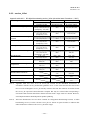
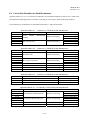
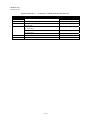
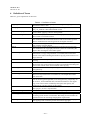
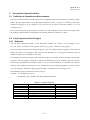
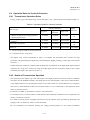
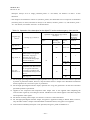
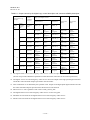
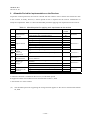
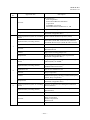
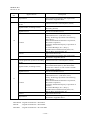
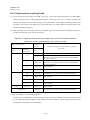
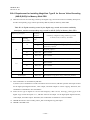
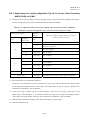
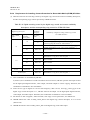
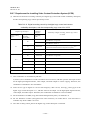
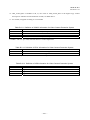
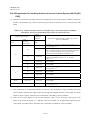
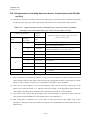
Table 1-6 Fairness level
Security level
Major application
example/feature
Simple online voting
Required module/system
Level 3
Simple online
voting*
Level 2
Fairness function*
Public opinion research
Both: Common cryptosystem process
Center: Safe and previous token
distribution
Level 1
Simple fairness
function
No consideration
Sampling, duplication
check
Massive calls reception
service
Receiver: Pseudo random numbers
occurrence
–
Level 0
Both:
Applied function of public key
cryptosystem
* A reliable voting control center is required (equal to election administration).
* Token: Digital voting ticket
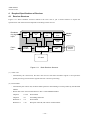
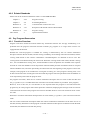
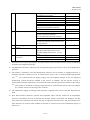
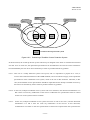
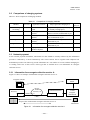
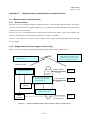
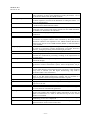
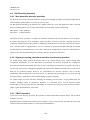
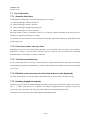
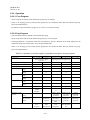
(1) Level 0
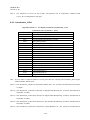
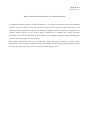
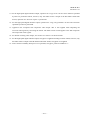
A massive calls reception service, a typical service example, is suitable for collecting a vast number of
calls. However, for some services, one receiver may call several times. In that case, a massive calls
reception service may not satisfy the requirements of a data broadcaster.
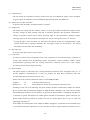
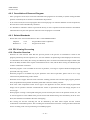
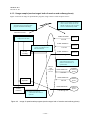
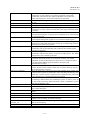
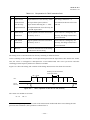
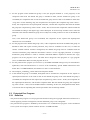
(2) Level 1
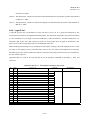
When voting outcome affects other viewers behavior, it may be necessary to prevent multiple voting
from the standpoint of fairness. Two examples that can be easily provided only by a bi-directional data
broadcasting service operator and a receiver are shown below:
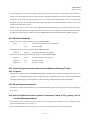
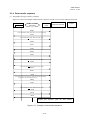
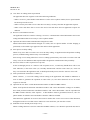
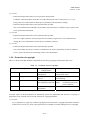
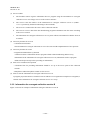
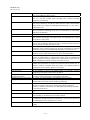
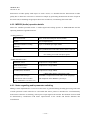
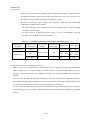
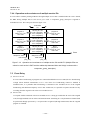
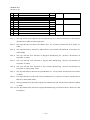
Example 1: Multiple voting check using receivers ID allocated uniquely
- Preparation: A voting reception center prepares an ID list of receivers that are used for
voting.
- Voting: A receiver sends its ID together with a vote.
- Counting: The voting reception center checks up the receiver ID with the ID list to search
a false receiver ID and multiple voting.
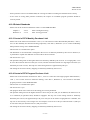
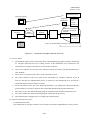
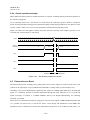
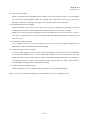
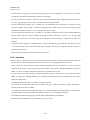
Example 2: Narrow-down voting (sampling)
When a large number of voters are target of the voting and the voting rate is supposed to be
high, there is fear that congestion occurs in the down network of the voting reception host.
In that case, a sampling (random selection) function may be necessary to estimate a total
voting result based on a part of voting result.
- Preparation:
A bi-directional data broadcasting service operator decides a narrow-down function (how
to narrow the target) based on the sampling algorithm (one of the simplest example is to
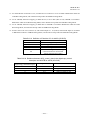
―6-77―