1
322
12.6.1
CHAPTER 12. CONTINUOUS PRESSURE MEASUREMENT
Valve manifolds
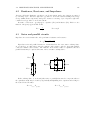
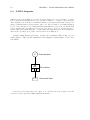
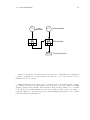
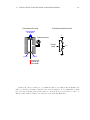
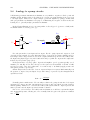
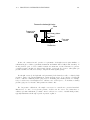
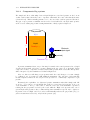
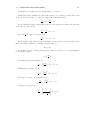
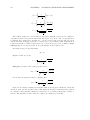
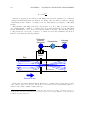
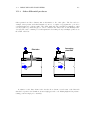
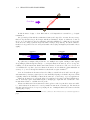
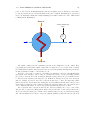
An important accessory to the differential pressure transmitter is the three-valve manifold. This
device incorporates three manual valves to isolate and equalize pressure from the process to the
transmitter, for maintenance and calibration purposes.
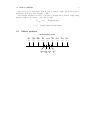
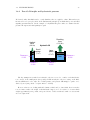
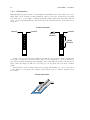
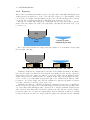
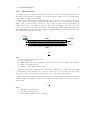
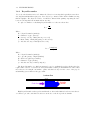
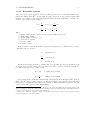
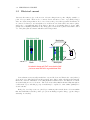
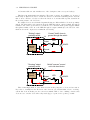
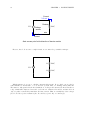
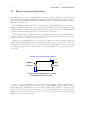
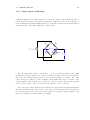
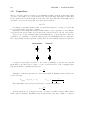
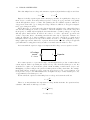
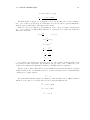
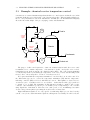
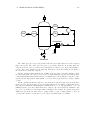
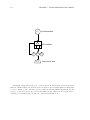
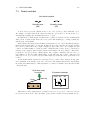
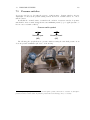
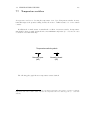
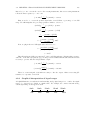
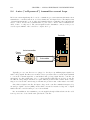
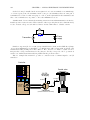
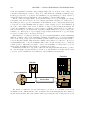
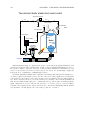
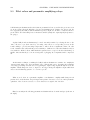
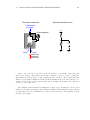
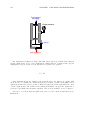
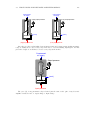
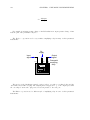
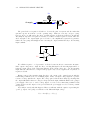
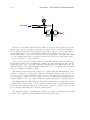
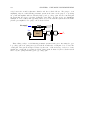
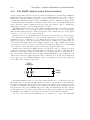
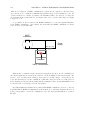
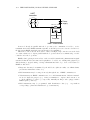
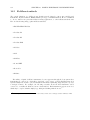
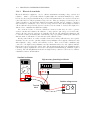
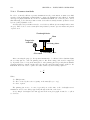
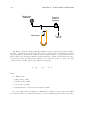
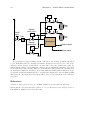
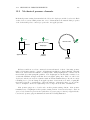
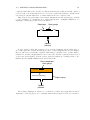
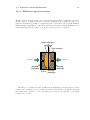
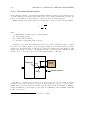
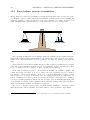
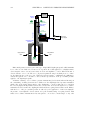
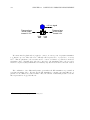
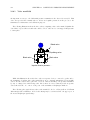
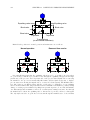
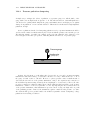
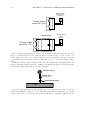
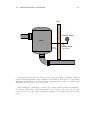
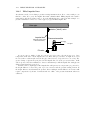
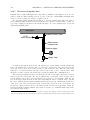
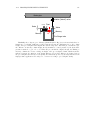
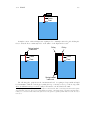
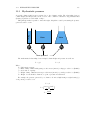
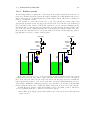
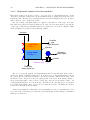
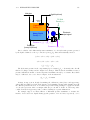
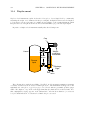
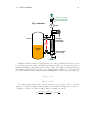
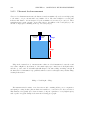
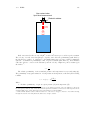
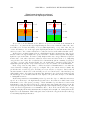
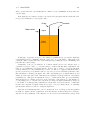
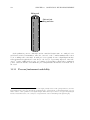
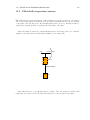
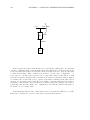
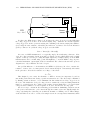
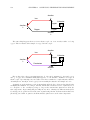
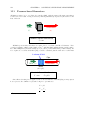
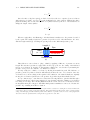
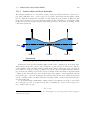
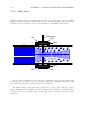
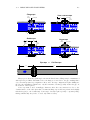
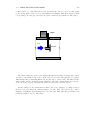
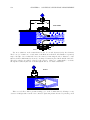
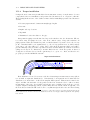
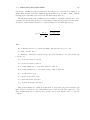
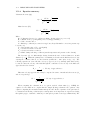
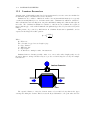
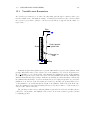
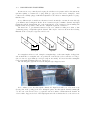
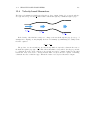
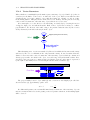
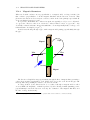
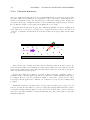
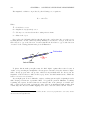
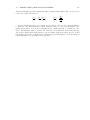
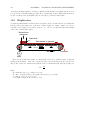
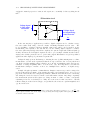
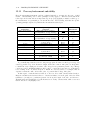
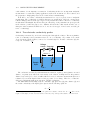
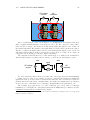
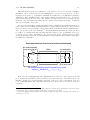
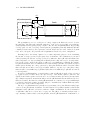
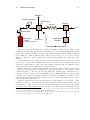
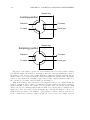
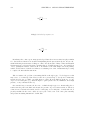
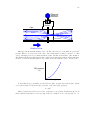
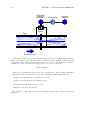
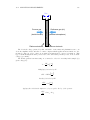
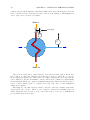
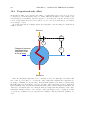
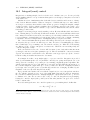
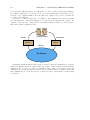
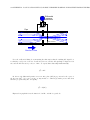
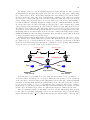
The following illustration shows the three valves comprising a three-valve manifold (within the
dotted-line box), as well as a fourth valve called a “bleed” valve used to vent trapped fluid pressure
to atmosphere:
Bleed valve
H
L
Equalizing valve
Block valve
Block valve
Impulse lines to process . . .
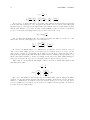
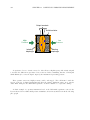
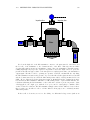
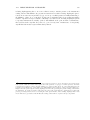
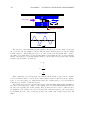
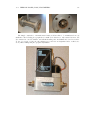
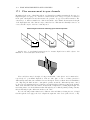
While this illustration shows the three valves as separate devices, connected together and to
the transmitter by tubing, three-valve manifolds are more commonly manufactured as monolithic
devices: the three valves cast together into one block of metal, attaching to the pressure transmitter
by way of a flanged face with O-ring seals. Bleed valves are most commonly found as separate
devices threaded into one or more of the ports on the transmitter’s diaphragm chambers.
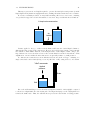
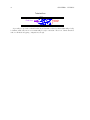
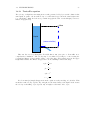
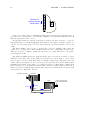
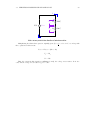
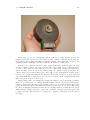
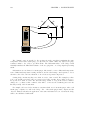
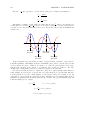
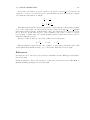
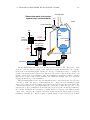
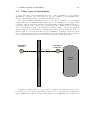
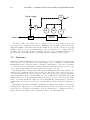
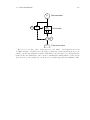
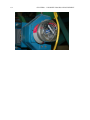
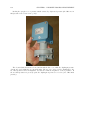
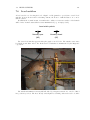
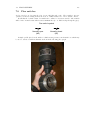
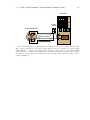
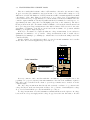
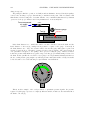
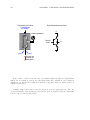
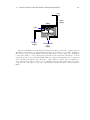
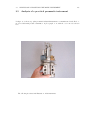
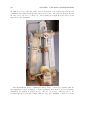
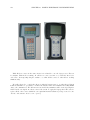
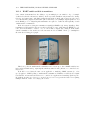
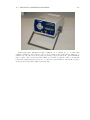
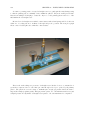
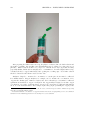
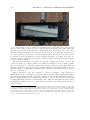
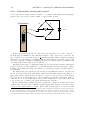
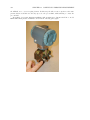
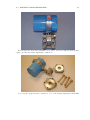
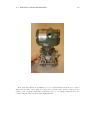
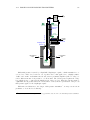
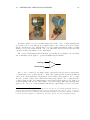
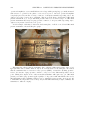
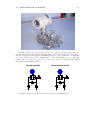
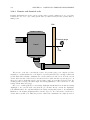
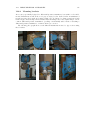
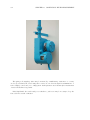
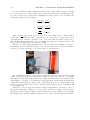
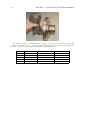
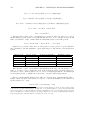
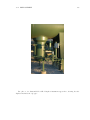
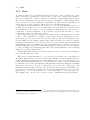
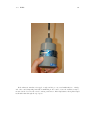
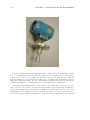
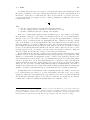
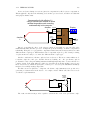
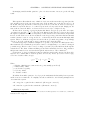
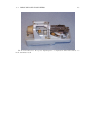
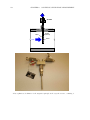
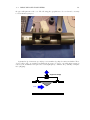
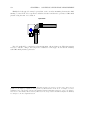
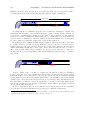
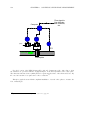
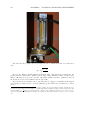
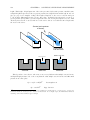
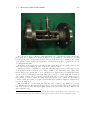
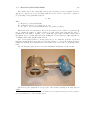
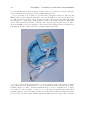
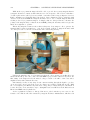
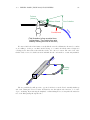
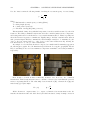
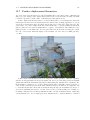
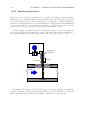
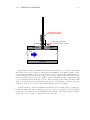
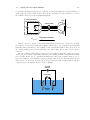
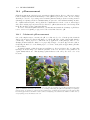
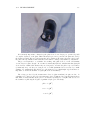
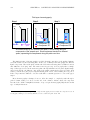
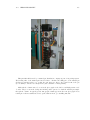
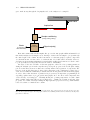
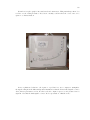
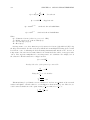
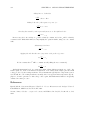
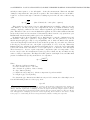
The following photograph shows a three-valve manifold bolted to a Honeywell model ST3000
differential pressure transmitter. A bleed valve fitting may be seen inserted into the upper port on
the nearest diaphragm capsule flange: