1
17.2. LIQUID VOLUME MEASUREMENT
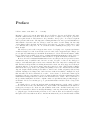
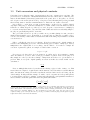
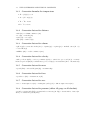
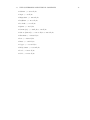
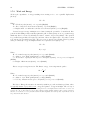
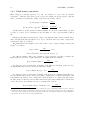
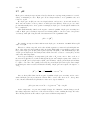
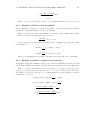
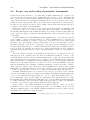
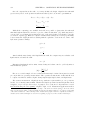
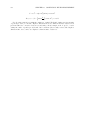
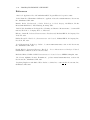
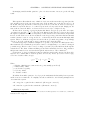
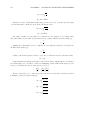
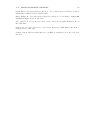
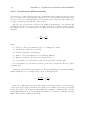
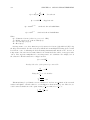
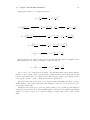
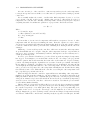
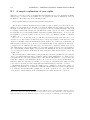
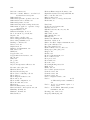
V = πr
2
587
h−r
[x]−r
x3
− π
3
·
¸h−r
−r
·
¸
(h − r)3
(−r)3
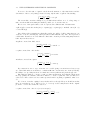
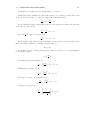
V = πr 2 [(h − r) − (−r)] − π
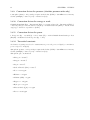
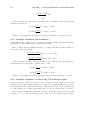
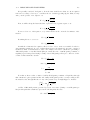
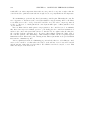
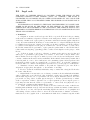
−π
3
3
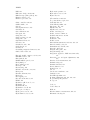
V = πr 2 [h − r + r] −
V = πhr 2 −
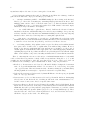
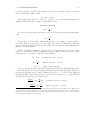
¤
π£
(h − r)3 − (−r)3
3
¤
π£ 3
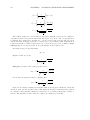
(h − 2h2 r + hr 2 − h2 r + 2hr 2 − r3 ) + r 3
3
V = πhr 2 −
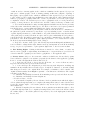
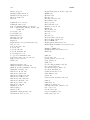
¤
π£ 3
h − 3h2 r + 3hr 2
3
V = πhr 2 −
πh3
+ πh2 r − πhr 2
3
V =−
πh3
+ πh2 r
3
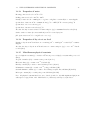
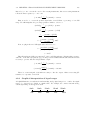
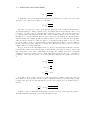
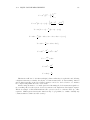
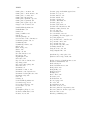
V = πh2 r −
πh3
3
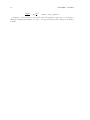
V = πh2 (r −
h
)
3
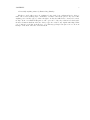
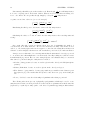
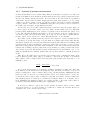
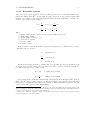
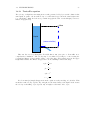
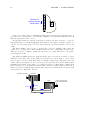
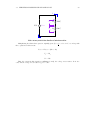
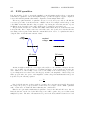
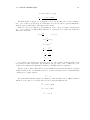
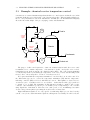
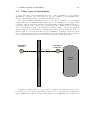
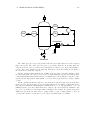
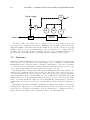
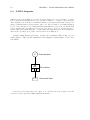
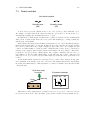
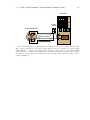
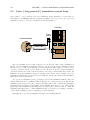
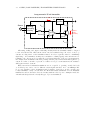
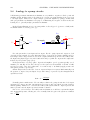
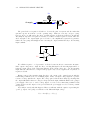
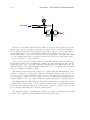
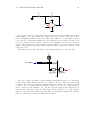
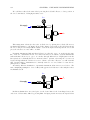
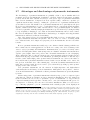
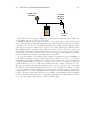
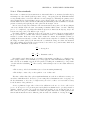
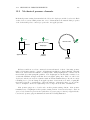
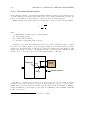
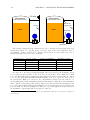
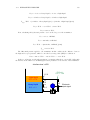
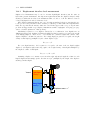
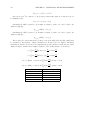
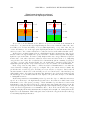
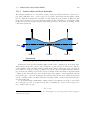
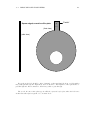
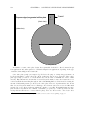
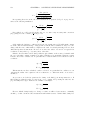
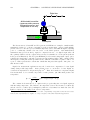
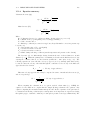
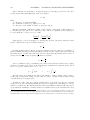
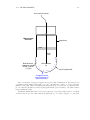
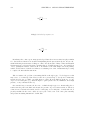
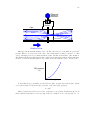
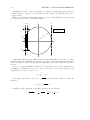
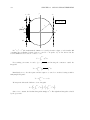
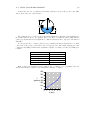
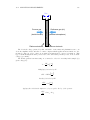
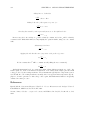
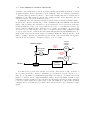
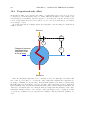
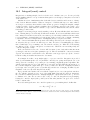
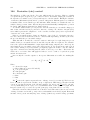
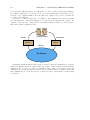
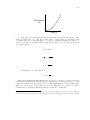
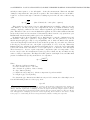
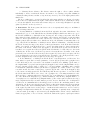
This function will “un-do” the inherent height/volume nonlinearity of a spherical vessel, allowing
a height measurement to translate directly into a volume measurement. A “characterizing” function
such as this is typically executed in a digital computer connected to the level sensor, or sometimes
in a computer chip within the sensor device itself.
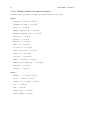
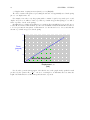
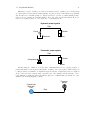
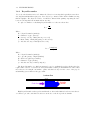
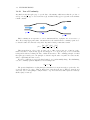
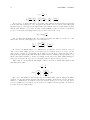
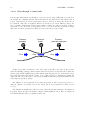
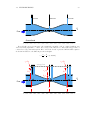
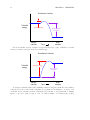
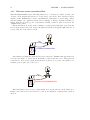
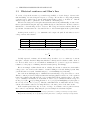
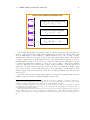
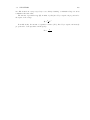
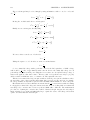
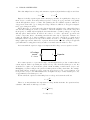
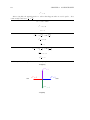
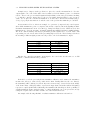
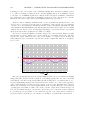
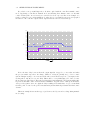
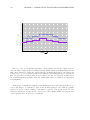
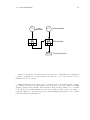
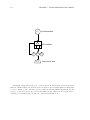
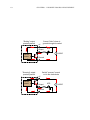
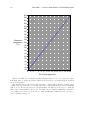
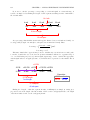
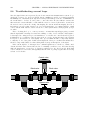
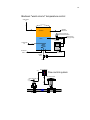
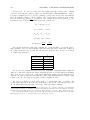
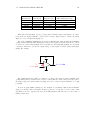
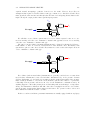
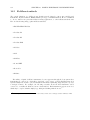
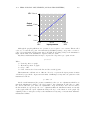
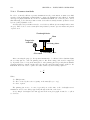
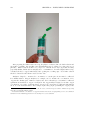
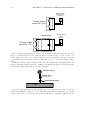
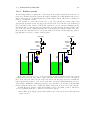
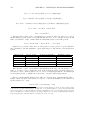
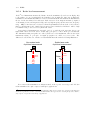
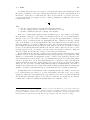
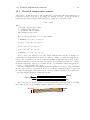
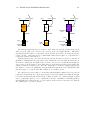
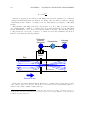
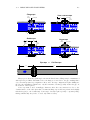
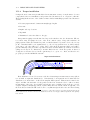
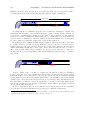
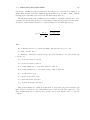
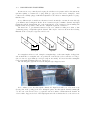
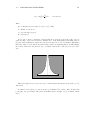
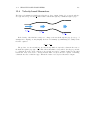
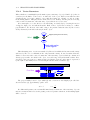
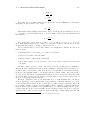
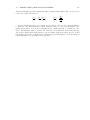
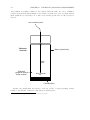
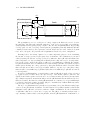
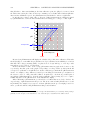
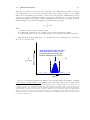
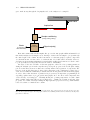
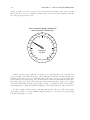
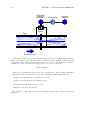
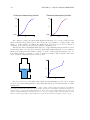
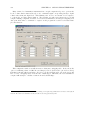
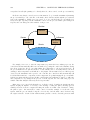
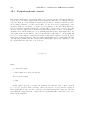
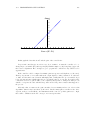
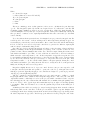
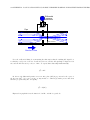
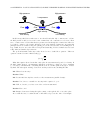
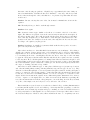
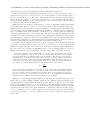
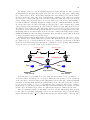
An interesting alternative to a formal equation for linearizing the level measurement signal is to
use something called a multi-segment characterizer function, also implemented in a digital computer.
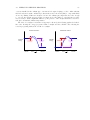
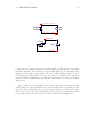
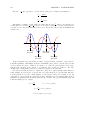
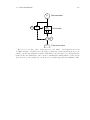
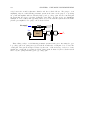
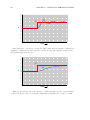
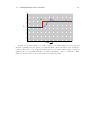
This is an example of what mathematicians call a piecewise function: a function made up of line
segments. Multi-segment characterizer functions may be programmed to emulate virtually any
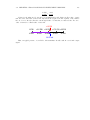
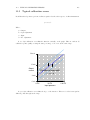
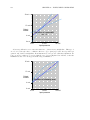
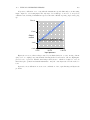
continuous function, with reasonable accuracy: