1
SAFETY INFORMATION
•
iii
Other Medical Devices
If you use any other personal medical device, consult the manufacturer of your device to determine
if it is adequately shielded from RF energy. Your physician may be able to assist you in obtaining
this information.
SAFETY AND GENERAL
Use While Driving
Check the laws and regulations on the use of radios in the area where you drive. Always obey them.
When using your radio while driving, please:
et
Give full attention to driving and to the road.
Use hands-free operation, if available.
Pull off the road and park before making or answering a call if driving conditions so require.
.n
•
•
•
68
OPERATIONAL WARNINGS
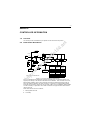
For Vehicles With An Air Bag
io
1
Do not place a portable radio in the area over an air bag or in the air bag deployment
area. Air bags inflate with great force. If a portable radio is placed in the air bag
deployment area and the air bag inflates, the radio may be propelled with great force
and cause serious injury to occupants of the vehicle.
WARNING
ad
Potentially Explosive Atmospheres
!
w
.m
yr
Turn off your radio prior to entering any area with a potentially
explosive atmosphere, unless it is a radio type especially qualified for use in such areas as
“Intrinsically Safe” (for example, Factory Mutual, CSA, UL, or CENELEC). Do not remove, install, or
charge batteries in such areas. Sparks in a potentially explosive atmosphere can cause an explosion
or fire resulting in bodily injury or even death.
NOTE The areas with potentially explosive atmospheres referred to above include fueling
://
w
w
areas such as below decks on boats, fuel or chemical transfer or storage facilities,
areas where the air contains chemicals or particles, such as grain, dust or metal powders, and any other area where you would normally be advised to turn off your vehicle engine. Areas with potentially explosive atmospheres are often but not always
posted.
ht
tp
Blasting Caps And Areas
To avoid possible interference with blasting operations, turn off your radio when you are near
electrical blasting caps, in a blasting area, or in areas posted: “Turn off two-way radio.” Obey all signs
and instructions.