1
387
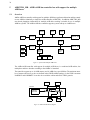
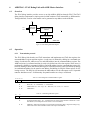
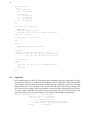
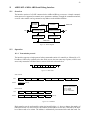
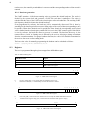
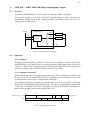
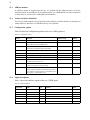
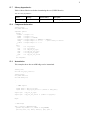
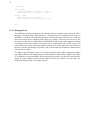
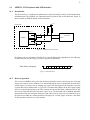
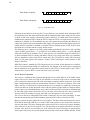
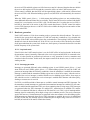
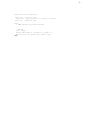
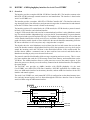
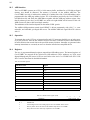
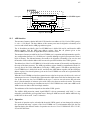
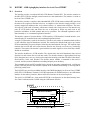
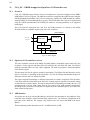
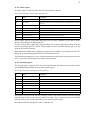
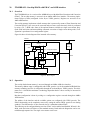
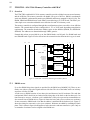
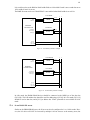
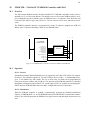
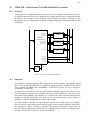
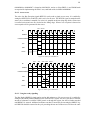
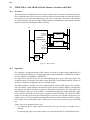
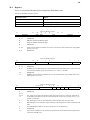
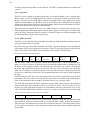
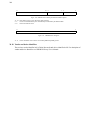
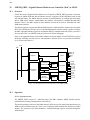
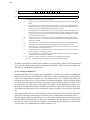
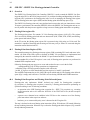
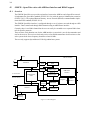
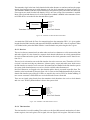
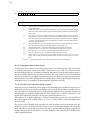
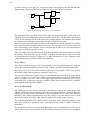
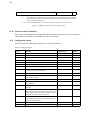
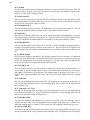
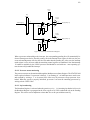
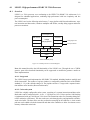
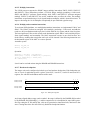
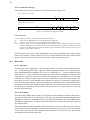
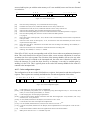
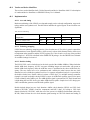
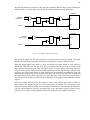
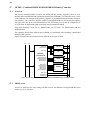
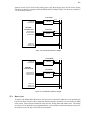
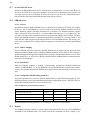
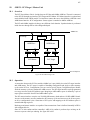
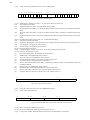
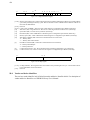
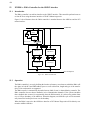
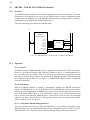
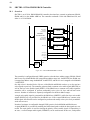
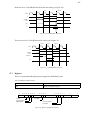
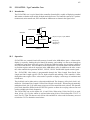
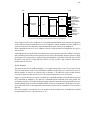
edge flip-flop followed by a negative-edge flip-flop to guarantee that the clock is gated off during the
clock-low phase. To insure proper start-up state, the clock should not be gated during reset.
LEON3CG
RESETN
DBGO.IDLE
D
Q
D
Q
GCLK
CLK
AHB CLK
LEON3CG
RESETN
DSUO.PWD[n]
D
Q
GCLK
CLK
AHB CLK
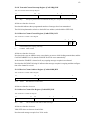
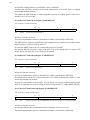
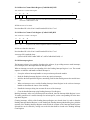
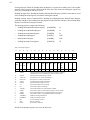
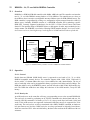
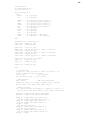
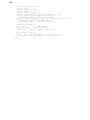
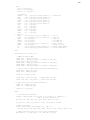
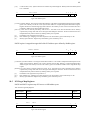
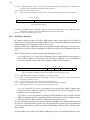
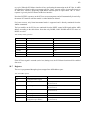
Figure 173. Examples of LEON3 clock gating
The processor should exit the power-down state when an interrupt become pending. The signal
DBGO.ipend will then go high when this happen, and should be used to re-enable the clock.
When the debug support unit (DSU3) is used, the DSUO.pwd signal should be used instead of
DBGO.idle. This will insure that the clock also is re-enabled when the processor is switched from
power-down to debug state by the DSU. The DSUO.pwd is a vector with one power-down signal per
CPU (for SMP systems). DSUO.pwd takes DBGO.ipend into account, and no further gating or latching needs to be done of this signal. If cache snooping has been enabled, the continuous clock will
insure that the snooping logic is activated when necessary and will keep the data cache synchronized
even when the processor clock is gated-off. In a multi-processor system, all processor except node 0
will enter power-down after reset and will allow immediate clock-gating without additional software
support.
Clock-tree routing must insure that the continuous clock (CLK) and the gated clock (GCLK) are
phase-aligned. The template design leon3-clock-gating shows an example of a clock-gated system.
The leon3cg entity should be used when clock gating is implemented. This entity has one input more
(GCLK) which should be driven by the gated clock. Using the double-clocked version of leon3
(leon3s2x), the GCLK2 is the gated double-clock while CLK and CLK2 should be continuous.