1
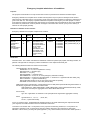
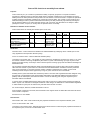
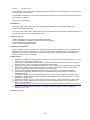
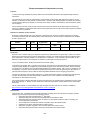
Years of life lost due to mortality from cervical cancer
Purpose:
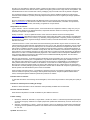
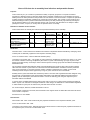
Years of life lost (YLL) is a measure of premature mortality. Its primary purpose is to compare the relative
importance of different causes of premature death within a particular population and it can therefore be used by
health planners to define priorities for the prevention of such deaths. It can also be used to compare the premature
mortality experience of different populations for a particular cause of death. The concept of years of life lost is to
estimate the length of time a person would have lived had they not died prematurely. By inherently including the
age at which the death occurs, rather than just the fact of its occurrence, the calculation is an attempt to better
quantify the burden, or impact, on society from the specified cause of mortality.
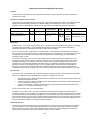
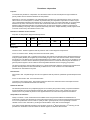
Definition of indicator and its variants:
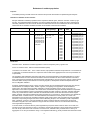
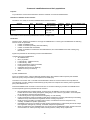
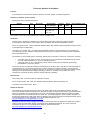
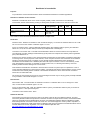
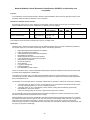
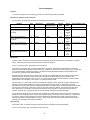
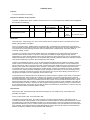
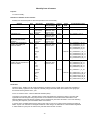
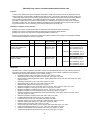
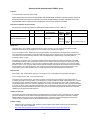
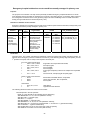
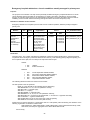
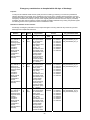
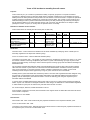
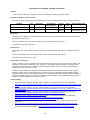
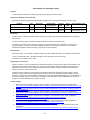
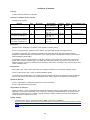
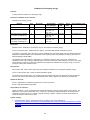
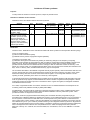
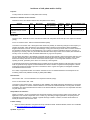
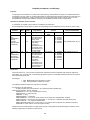
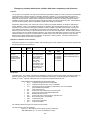
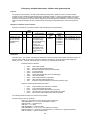
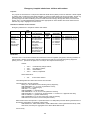
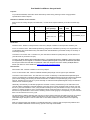
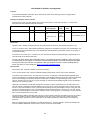
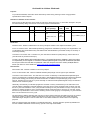
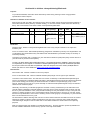
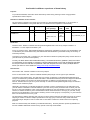
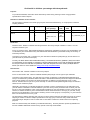
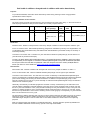
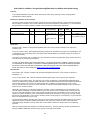
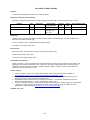
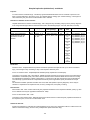
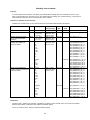
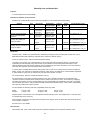
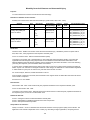
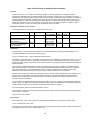
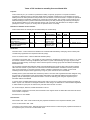
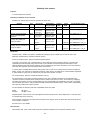
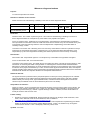
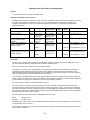
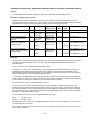
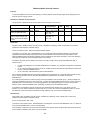
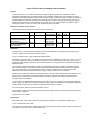
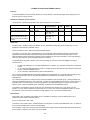
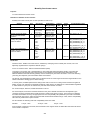
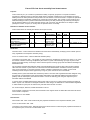
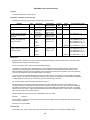
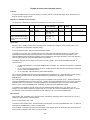
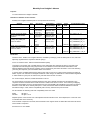
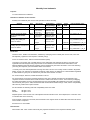
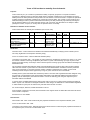
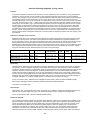
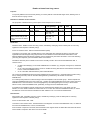
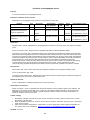
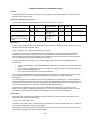
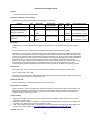
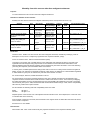
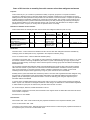
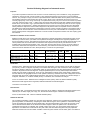
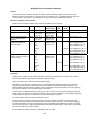
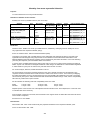
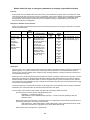
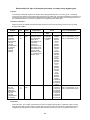
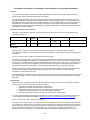
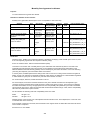
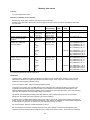
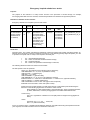
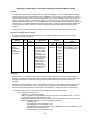
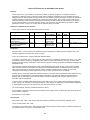
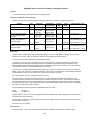
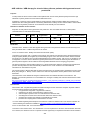
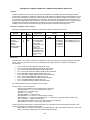
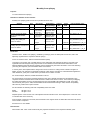
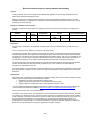
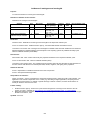
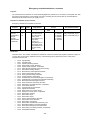
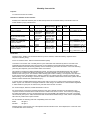
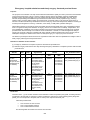
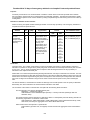
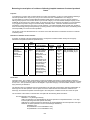
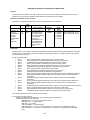
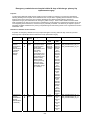
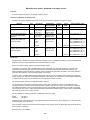
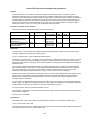
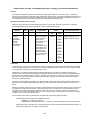
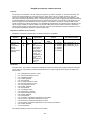
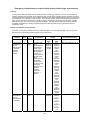
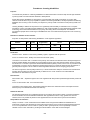
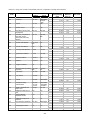
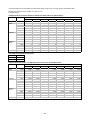
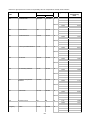
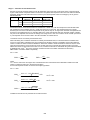
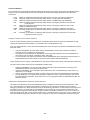
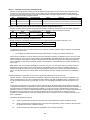
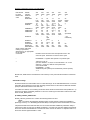
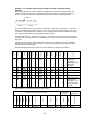
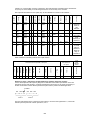
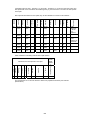
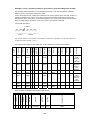
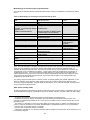
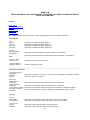
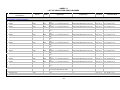
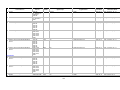
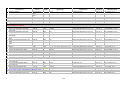
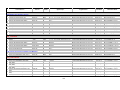
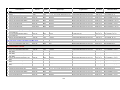
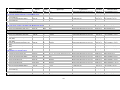
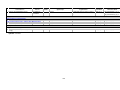
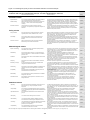
Years of life lost due to mortality from cervical cancer (ICD-10 C53).
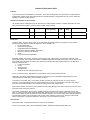
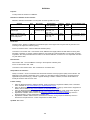
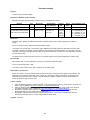
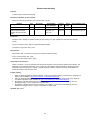
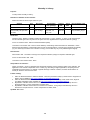
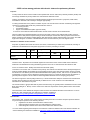
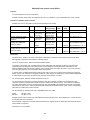
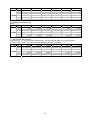
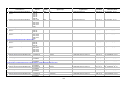
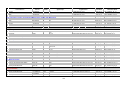
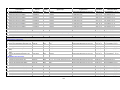
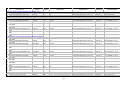
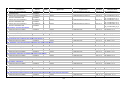
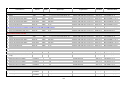
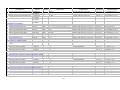
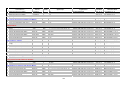
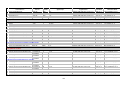
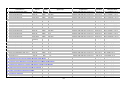
Statistic
Sex
Age group
Crude rate per 10,000
population and number of
years of life lost
Directly age-standardised rate
per 10,000 population and
number of deaths
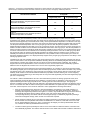
F
<75
F
<75
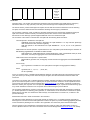
Organisation
(see glossary)
Current
data
Trend
data
File-worksheet name
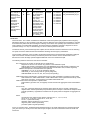
E&W, E, GOR,
ONS area, SHA,
LA, PCO, CTY
E&W, E, GOR,
ONS area, SHA,
LA, PCO, CTY
2007-09
17G_041CR_09_V1
2007-09
17G_041DR_09_V1
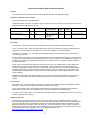
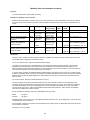
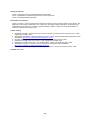
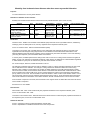
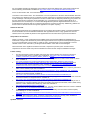
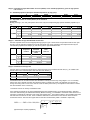
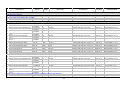
Numerator:
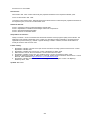
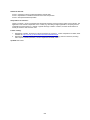
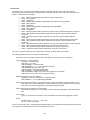
Numerator data – Years of life lost and deaths from cervical cancer classified by underlying cause of death (ICD10 C53), registered in the respective calendar year(s).
Source of numerator data – Office for National Statistics (ONS).
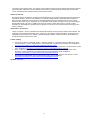
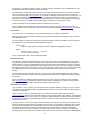
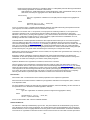
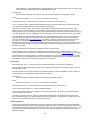
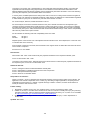
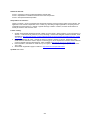
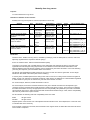
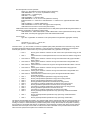
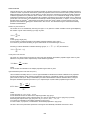
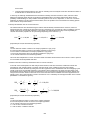
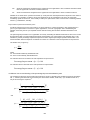
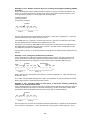
Comments on numerator data – The number of years of life lost is calculated by summing over ages 1 to 74 years
the number of deaths at each age multiplied by the number of years of life remaining up to age 75 years. Infant
deaths are omitted as they are mostly a result of causes specific to this age group and have different aetiologies to
deaths later in life.
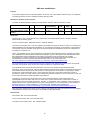
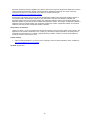
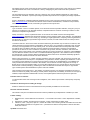
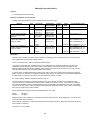
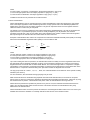
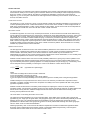
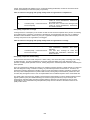
The numerator presented alongside the directly age-standardised years of life lost rate is the number of deaths
rather than the number of years of life lost. This is because the standardisation calculation has been performed
using 5-year age bands. In each age band the number of deaths is weighted by the number of years of life
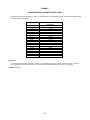
remaining from the mid-point of the age band up to age 75 years. See annex 3 for more details.
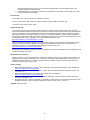
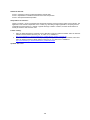
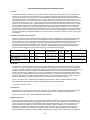
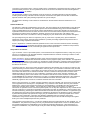
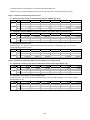
Mortality data for years 1993-2006 were extracted by ONS in June 2007 with organisational codes assigned using
the postcode of usual residence and the November 2006 edition of the National Statistics Postcode Directory
(NSPD). Data for subsequent years were extracted in June of the following year using the respective year’s
November edition of the NSPD.
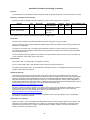
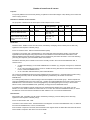
In January 2001, the ONS implemented a change from ICD-9 to ICD-10 for coding causes of death in England &
Wales. As part of an exercise to investigate the effects of this change, the ONS also re-coded all deaths registered
in 1999. Deaths for years prior to 1999 and for year 2000 have not been re-coded.
For current analysis, therefore, all data are based on ICD-10.
From the 2003 Compendium onwards, data are based on the original causes of death rather than the final causes
used in earlier Compendia.
See Annex 2 for more details.
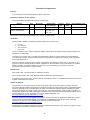
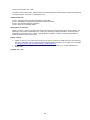
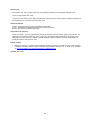
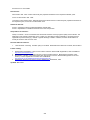
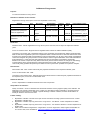
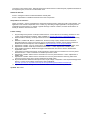
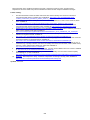
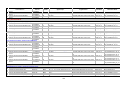
Denominator:
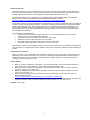
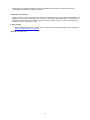
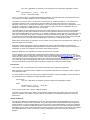
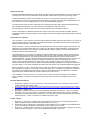
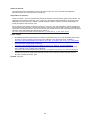
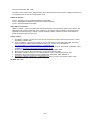
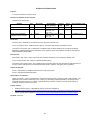
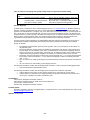
Denominator data - 2001 Census based mid-year population estimates for the respective calendar years.
Source of denominator data - ONS.
Comments on denominator data - Data are based on the latest revisions of ONS mid-year population estimates for
the respective years, current as at 24 November 2010.
267