1
R
Chapter 8: Using Dedicated Multiplexers
Advantages of Dedicated Multiplexers
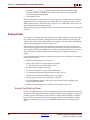
Spartan-3 Generation FPGAs are based on four-input look-up tables (LUTs) that can
provide any possible function of the four inputs. The largest mux that a single LUT
supports is a 2:1 mux, with the fourth input available as a possible enable. One method to
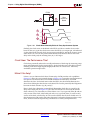
construct larger muxes would be to cascade multiple LUTs. For example, a 4:1 mux could
be built by combining the outputs of two LUTs into a third LUT. However, this method
adds two full levels of logic delays plus an additional routing delay between the LUTs.
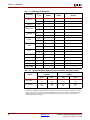
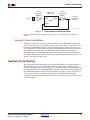
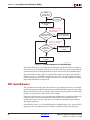
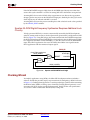
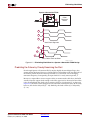
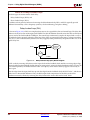
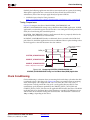
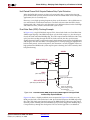
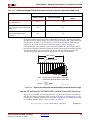
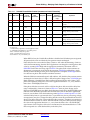
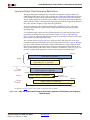
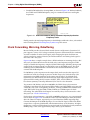
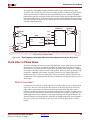
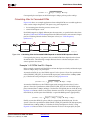
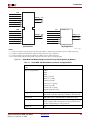
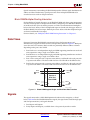
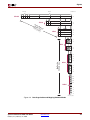
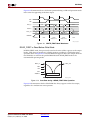
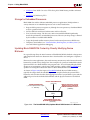
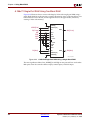
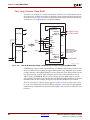
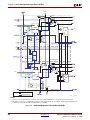
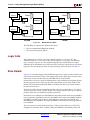
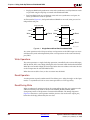
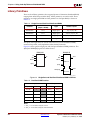
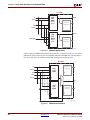
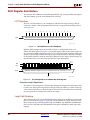
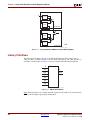
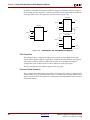
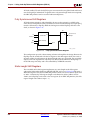
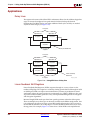
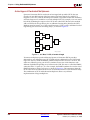
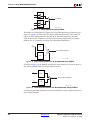
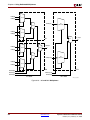
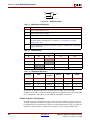
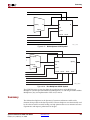
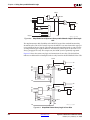
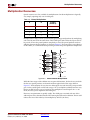
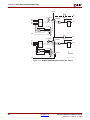
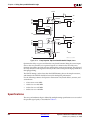
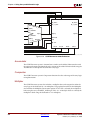
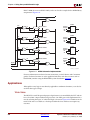
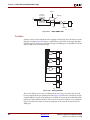
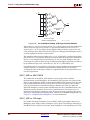
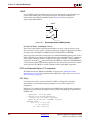
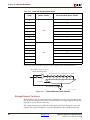
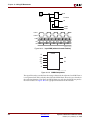
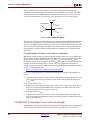
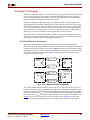
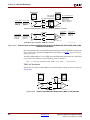
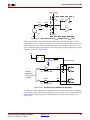
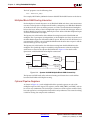
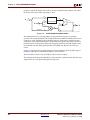
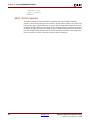
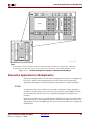
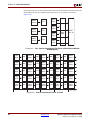
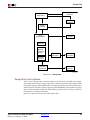
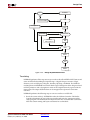
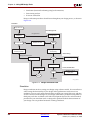
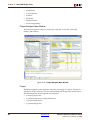
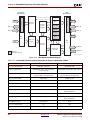
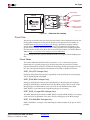
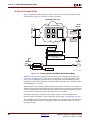
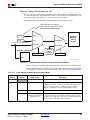
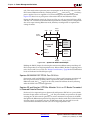
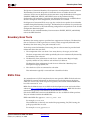
Without special resources, an 8:1 mux would consume s LUTs as well as add three levels of
logic delays plus two levels of routing delays, as shown in Figure 8-1.
LUT
net
net
LUT
LUT
net
net
LUT
LUT
net
net
LUT
LUT
X466_01_040303
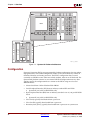
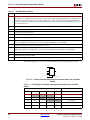
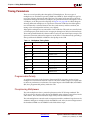
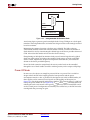
Figure 8-1: 8:1 Mux, 7 LUTs, 3 Levels of Logic
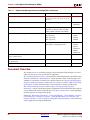
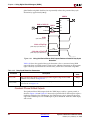
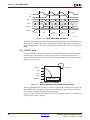
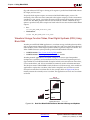
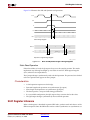
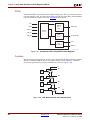
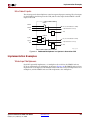
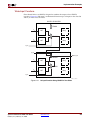
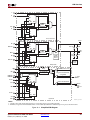
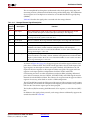
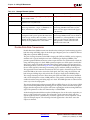
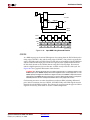
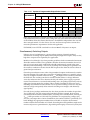
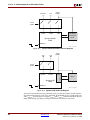
To increase multiplexer speed and density, Spartan-3 Generation FPGAs provide a
dedicated 2:1 mux following every LUT, which replaces additional levels of LUT-based
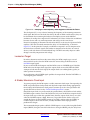
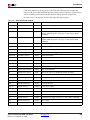
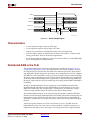
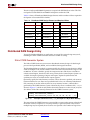
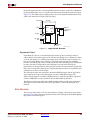
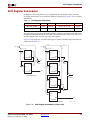
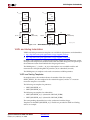
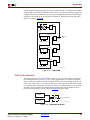
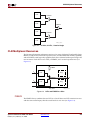
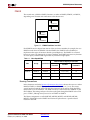
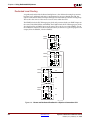
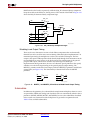
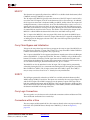
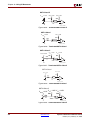
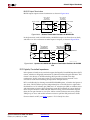
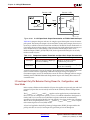
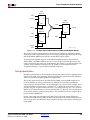
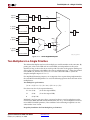
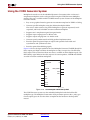
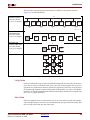
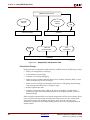
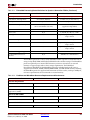
logic. One of these, called the F5MUX, combines adjacent LUTs to create a 4:1 mux. The
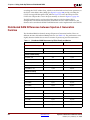
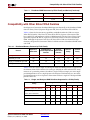
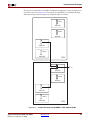
other mux, following every pair of LUTs, combines muxes into wider functions with
different capabilities depending on its location in the CLB. This mux is called the FiMUX,
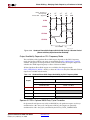
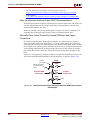
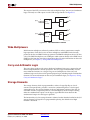
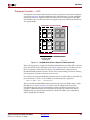
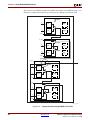
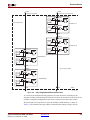
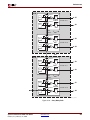
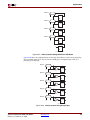
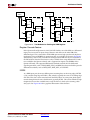
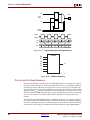
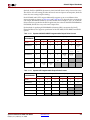
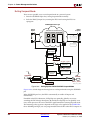
where the index "i" equals 6, 7, or 8. For example, the F6MUX combines the results of two
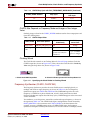
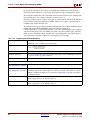
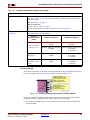
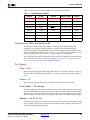
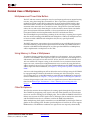
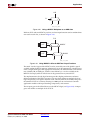
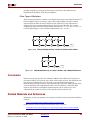
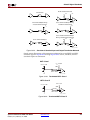
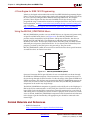
F5MUX elements to create an 8:1 mux as shown in Figure 8-2. The connections from the
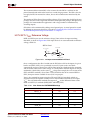
LUTs to the muxes and between the muxes are dedicated and have zero connection delay.
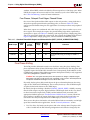
The combination of LUTs and dedicated multiplexers allows very efficient
implementation of large multiplexers.
248
www.xilinx.com
Spartan-3 Generation FPGA User Guide
UG331 (v1.3) February 14, 2008