1
Residual Measurement Fundamentals
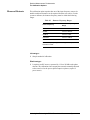
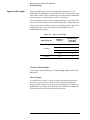
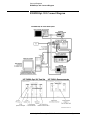
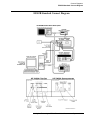
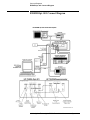
The Calibration Options
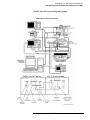
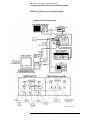
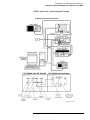
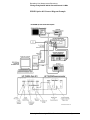
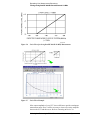
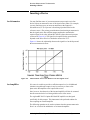
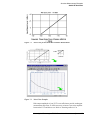
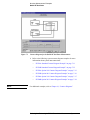
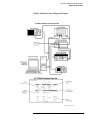
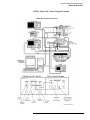
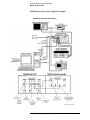
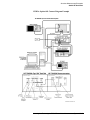
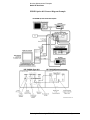
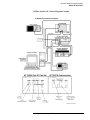
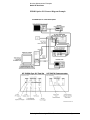
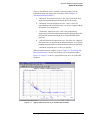
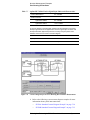
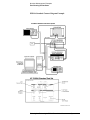
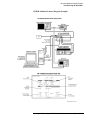
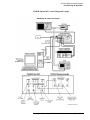
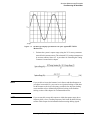
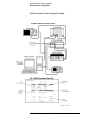
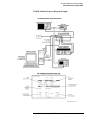
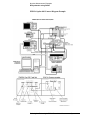
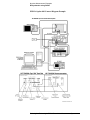
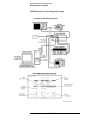
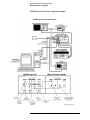
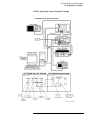
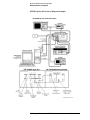
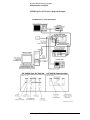
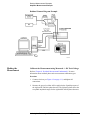
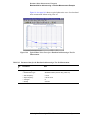
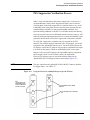
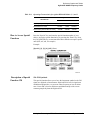
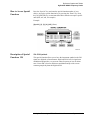
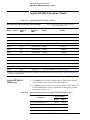
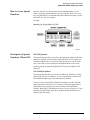
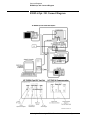
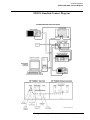
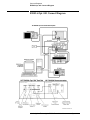
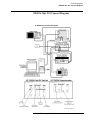
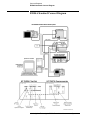
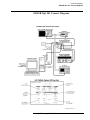
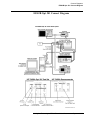
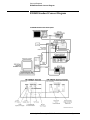
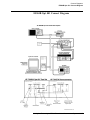
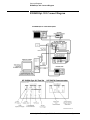
Double-Sided Spur
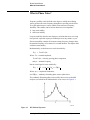
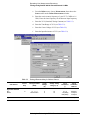
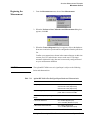
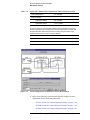
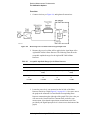
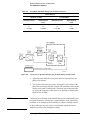
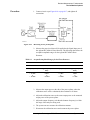
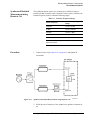
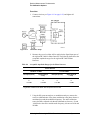
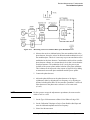
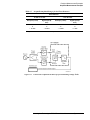
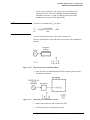
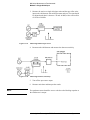
This calibration option has the following requirements:
•
•
•
One of the input frequency sources must be capable of being phase
modulated.
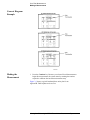
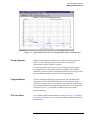
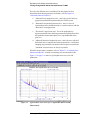
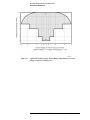
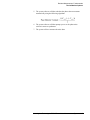
The resultant sideband spurs from the phase modulation must have
amplitudes that are –100 dB and –20 dB relative to the carrier
amplitude.
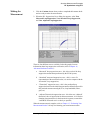
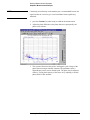
The offset frequency or modulation frequency must be between 10 Hz
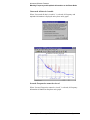
and maximum (See the “Measured Beatnote” technique on page 8-16).
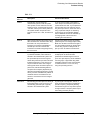
Advantages:
•
•
NOTE
Requires only one RF source
Calibration is done under actual measurement conditions so all
non-linearities and harmonics of the phase detector are calibrated out.
Because the calibration is performed under actual measurement conditions,
the Double-sided Spur Method and the Single-sided Spur Method are the
two most accurate calibration methods.
Disadvantages:
•
•
•
NOTE
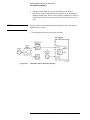
Requires a phase modulator which operates at the desired carrier
frequency.
Requires audio calibration source.
Requires RF spectrum analyzer for manual measurement of ΦM
sidebands or preferably a modulation analyzer.
Most phase modulators are typically narrow-band devices; therefore, a wide
range of test frequencies may require multiple phase modulators.
Agilent Technologies E5500 Phase Noise Measurement System 8-21