1
10
Recognizing the Port Initialization and FCP Auto Discovery Process
Recognizing the Port Initialization and FCP Auto
Discovery Process
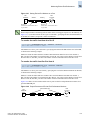
The steps in the port initialization process represent a protocol used to discover the type of connected
device and establish the port type. The possible port types are as follows:
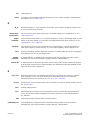
U_Port
Universal FC port. This port type is the base Fibre Channel port type and all
unidentified, or uninitiated ports are listed as U_Ports.
FL_Port
Fabric Loop port. This port connects both public and private loop devices.
G_Port
Generic port. This port acts a transition port for non-loop fabric capable devices
(E_Port / F_Port).
E_Port
Expansion port. This port type is assigned to ISL links.
F_Port
Fabric port. This port is assigned to fabric capable devices.
The Brocade FCP auto discovery process enables private storage devices that accept PRLI to
communicate in a fabric.
If device probing is enabled, the embedded port PLOGIs and attempts a PRLI into the device to retrieve
information to enter into the Name Server. This enables private devices that do not FLOGI but accept
PRLI to be entered in the Name Server and receive full fabric citizenship. Private devices that accept
PRLI represent a majority of storage targets. Private hosts require the QuickLoop feature, which is not
available in Fabric OS v4.0.0 or later.
A fabric-capable device will implicitly register information with Name Server during a FLOGI. These
devices will typically register information with the Name Server before querying for a device list. The
embedded port will still PLOGI and attempt PRLI with these devices.
You can view the Name Server table in Web Tools by clicking Name Server in the fabric toolbar. Refer
to the Web Tools Administrator’s Guide for more information.
10-24
Fabric OS Administrator’s Guide
Publication Number: 53-0000518-09




































![FICON_AdminGd_v700[1].](http://vs1.manualzilla.com/store/data/005962703_1-207ddf39f2a91b852624dcbb8fd7d57f-150x150.png)