1
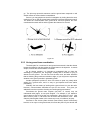
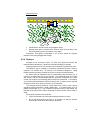
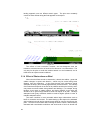
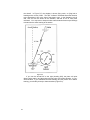
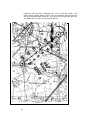
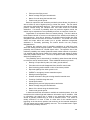
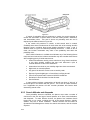
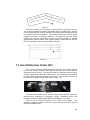
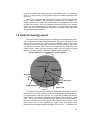
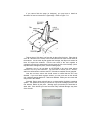
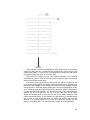
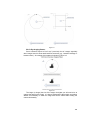
Figure 6-2
If search of probability area one produces no results, the search expands to
include the area within a 10-mile radius of the last known position, destination,
and intermediate points. This area is known as probability area two and is
depicted by the hatched areas in Figure 6-2.
If the search still produces no results, a third search area is created.
Probability area three includes areas 10 miles either side of the missing aircraft's
intended course, excluding those areas already searched in areas 1 and 2.
Shaded areas in Figure 9-2 illustrate probability area three. If there is still no
result, the incident commander may chart a new probability area within the
possibility circle.
When other information is available that indicates any of the following factors
may have been involved, the incident commander may also consider these factors
when assigning priority to initial search areas:
•
Areas of thunderstorm activity, severe turbulence, icing, frontal conditions,
or any other weather condition that may have influenced a pilot to
consider alternate routes to the destination.
•
Areas where low clouds or poor visibility might have been encountered.
•
High terrain or mountain passes.
•
Any part of the aircraft's course is not covered by radar.
•
Reports of ground sightings or of sound from low-flying aircraft.
•
Point of last reported radio contact or MAYDAY broadcast.
•
Deviations in wind velocities from that forecast.
• Survival factors.
In many military incidents, crewmembers of aircraft may eject or "bail out" of
an aircraft prior to its collision with the ground. This is rare in civilian accidents,
but if applicable the planner will also consider parachute drift factors when
determining search areas.
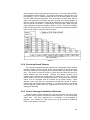
6.2.3 Search Altitudes and Airspeeds
Once probability areas are identified, the planner must make a number of
choices as to the size and type of search patterns to be flown, search altitudes,
and airspeeds. To make effective choices, the planner first considers factors
beyond his or her control, including the size of the search objective, visibility,
weather, and sea or terrain conditions. Altitude selection will be based on
Operational Risk Management criteria, the search environment, and the mission
objective.
104