1
The mission staff will probably show you around mission base and inform you
of transportation, lodging and meal arrangements. They will also tell you when to
report for duty, normally by telling you when the general briefing will be held.
10.3 Operational Risk Management Review
Operational Risk Management (ORM) is a practical way to accomplish the
mission with the least possible risk. It is more than just common sense (although
plain common sense is very important) and more than just a safety program. It
can be used to identify and assess anything that might have a negative impact on
a mission.
ORM is a method of getting the job done by identifying the areas that present
the highest risk, then taking action to eliminate, reduce or control the risks. It can
be very flexible and can take from a few seconds to a few hours or days.
ORM cannot be mandated, but it must become a part of the CAP culture. We
in CAP are willing to take educated (informed) risks, but we do not like to gamble.
Therefore ORM should be embraced both by individual members and mission
planners and supervisors.
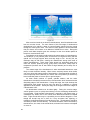
The Air Force uses a six-step "building block" approach:
1. Identify the hazards.
2. Assess the risks.
3. Analyze risk control measures.
4. Make control decisions.
5. Implement risk controls.
6. Supervise and review.
10.3.1 ORM Principles
Accept no unnecessary risks.
Unnecessary risk comes without a
commensurate return in terms of real benefits or available opportunities. All CAP
missions and our daily routines involve risk. The most logical choices for
accomplishing a mission are those that meet all mission requirements with the
minimum acceptable risk.
Make risk decisions at the appropriate level. Making risk decisions at the
appropriate level establishes clear accountability. Those accountable for the
success or failure of the mission must be included in the risk decision process.
The appropriate level for risk decisions is the one that can allocate the resources
to reduce the risk or eliminate the hazard and implement controls. Levels include
the incident commander, aircraft or mission commander, ground team leader, or
individual responsible for executing the mission or task.
Accept risk when the benefits outweigh the costs. All identified benefits
should be compared to all identified costs. The process of weighing risks against
opportunities and benefits helps to maximize unit capability. Even high-risk
endeavors may be undertaken when there is clear knowledge that the sum of the
benefits exceeds the sum of the costs. Balancing costs and benefits may be a
subjective process and open to interpretation. Ultimately, the balance may have
to be determined by the appropriate decision authority.
Integrate ORM into planning at all levels. Risks are more easily assessed
and managed in the planning stages of an operation (this includes planning for a
sortie). Integrating risk management into planning as early as possible provides
190