1
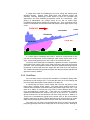
measurements of the height of the front above an airport. The following is a
method of determining the approximate height of the front, considering that wind
shear is most critical when it occurs close to the ground.
•
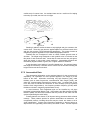
A cold front wind shear occurs just after the front passes the airport and
for a short period thereafter. If the front is moving 30 knots or more, the
frontal surface will usually be 5,000 ft. above the airport about 3 hours
after the passage.
•
With a warm front, the most critical period is before the front passes the
airport. Warm front shear may exist below 5,000 ft. for approximately 6
hours; the problem ceases to exist after the front passes the airport. Data
compiled on wind shear indicate that the amount of shear in warm fronts
is much greater than that found in cold fronts.
•
Turbulence may or may not exist in wind shear conditions. If the surface
wind under the front is strong and gusty there will be some turbulence
associated with wind shear.
The pilot should be alert to the possibilities of low-level wind shear at any time
the conditions stated are present.
3.7 Thunderstorms
A thunderstorm is any storm accompanied by thunder and lighting. It usually
includes some form of precipitation, and can cause trouble for aircraft in many
forms: turbulence, icing, poor visibility, hail, wind shear, micro bursts, lightning,
and, in severe cases, tornadoes.
Individual thunderstorms may often be very local in nature, although they
often form along weather fronts and appear to march across the land in long lines.
This is the situation when weather forecasters announce that a line of
thunderstorms is approaching, and thunderstorm warnings go into effect.
Individual thunderstorms are rarely larger than 10 miles in diameter, and typically
develop, mature, and dissipate within an hour and a half at the most. Each is
produced by the growth of a puffy cumulus cloud into a cumulonimbus cloud. The
severe elements of a thunderstorm result from the vertical air movement, or
convective activity, within the storm.
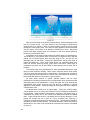
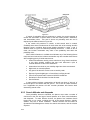
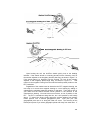
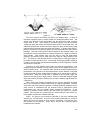
Thunderstorms may be studied by dividing them into three separate growth
stages: the cumulus, or building stage, the mature stage, and the dissipating
stage. Figure 3-5 demonstrates the physical appearances of each stage of the
developing storm.
57