1
20
920-0006 Rev. D5 3/19/09
Si Programmer™ Software Manual
Special STAC6 and ST5/10 Dialogs
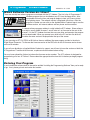
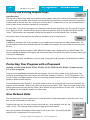
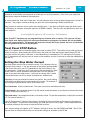
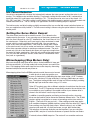
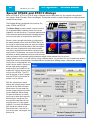
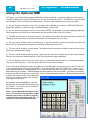
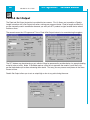
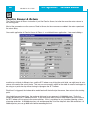
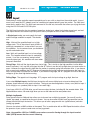
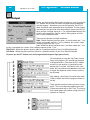
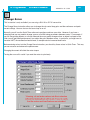
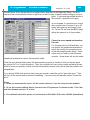
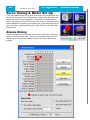
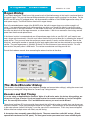
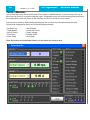
When a STAC6-Si, ST5-Si or ST10-Si drive is selected from the drop down list, four special command buttons appear: Motor, Encoder, Alarms and Regen. Each button invokes a special dialog box for setting features
unique to these drives.
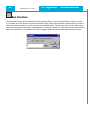
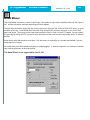
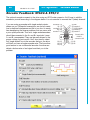
The Encoder dialog is explained in the section “Encoder: STAC6 and ST5/10”.
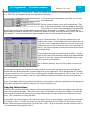
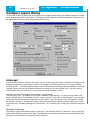
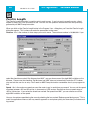
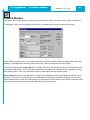
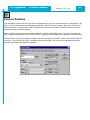
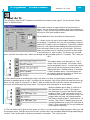
The Motor dialog is used to select a motor from the
list of Applied Motion Products motors that are designed for use with the drive. For optimal performance
of the antiresonance and electronic damping features,
you must also enter (or estimate) the load inertia.
We can’t stress enough the wisdom in using one of
the recommended motors with the STAC6. We’re not
just trying to make money here, we want your application to be successful and the odds of that are highest
when you have a high quality motor whose torque,
rotor inertia and harmonic waveform content are precisely known. Furthermore, our motors include shielded cables to reduce electrical emissions and enhance
safety and come with prewired mating connectors which further reduces the risk of error.
Having stated our case, if you still insist on using a different motor, it is possible. First you’ll need some detailed
information from the manufacturer, including electrical specification (holding torque, rated current and rotor
inertia) plus a wiring diagram. And
make sure the motor is constructed from high quality magnetic
materials that are suitable for operation with 160 volt busses such
as that of the STAC6. The ST5
and 10 operate at lower voltages
than the STAC6 so the choice of
motors is not as critical.
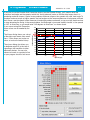
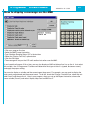
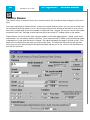
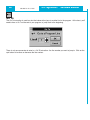
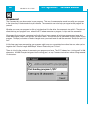
With this information in hand,
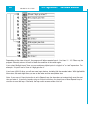
choose the “custom motor” option
and click on the Define Custom
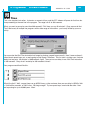
Motor button. You can enter the
current, torque and inertia values
into the Add New Motor dialog.
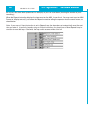
For best smoothness of motion,
you’ll want to enter the harmonic
distortion gain and phase. You
may need to experiment by running the motor at a slow speed
(typically 1 rev/sec) with different
gain and phase values to see
what works best. If you are at a
loss for this data, set the gain and
phase at 0.