1
LESSON TWO:
WEIGHTLESS IN THE WATER
Lesson Two exercises show you how to position your body and distribute your weight to get the water to
support you completely and effortlessly. Once it does, you’ll be able to move through the water with an ease
you never dreamed possible. Your partner will become even more valuable in aiding your comfort, control and
learning here too.
FLOATING EXERCISES
The first four exercises are purely about learning to float. If you’re an adult and haven’t yet learned to swim
comfortably, it’s not likely you can persuade your rational mind after all these years that you can get the
water to support you. Instead you simply need to do floating exercises over and over until you know “in your
bones” that the water will support you every time. So do these exercises repeatedly until you feel completely
secure in that knowledge.
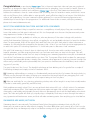
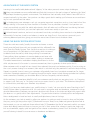
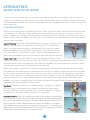
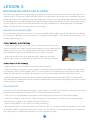
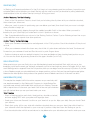
Instant Flotation (Right) The most buoyant part of your body is your lungs. This
exercise teaches you how to use the air in your lungs – in TI we call that your
“buoy” – to create instant flotation. It will work best if you start with a deep
breath and bubble out only enough air to keep water from invading your nose.
Just reach down for your toes and – presto – feel yourself suspended in the
water. Once that happens, just enjoy the sense of rocking back and forth gently.
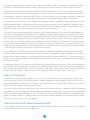
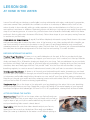
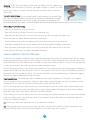
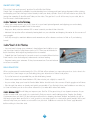
Regain Your Feet The safest feeling for any new swimming student is when
they have their hips over their feet and their feet solidly on the bottom. When their feet come off the bottom and their hips float out behind, they will often feel vulnerable. This exercise teaches you how to stand
securely and introduces your first bilateral coordination skill.
When you’re ready to stand from the Jellyfish float, keep your head down and reach forward with one leg,
then draw both arms back. Keep your head down until your foot is solidly on the bottom and your hips under
you. Then draw your arms into your sides and stand. You chose to do it with that leg because your brain is
“wired” to favor that leg. But swimming is a bilateral skill, so repeat this process, reaching the other leg forward. As you do, tune in to how it feels different to reach with the other leg instead. To become a true TI
swimmer, you’ll need to use both sides of your body (and brain) with equal facility. Movements that don’t
come naturally require mindful practice to learn.
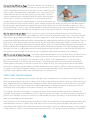
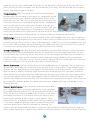
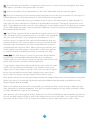
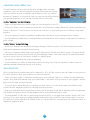
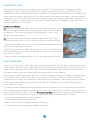
Egg Float (Right) In the Jellyfish, your limbs serve as “outriggers” or stabilizers. In the Egg, you take away the outriggers and allow your body to bob
around in response to water movement. Just enjoy the experience of giving
yourself over to the water without resistance or reservation.
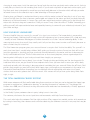
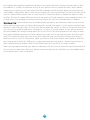
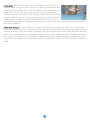
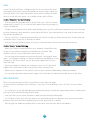
Basketball Dribble (Right) Our final flotation exercise should be fun for both partners. The partner who is more comfortable in the water should be the “basketball”
first, so the less experienced partner can observe before being pressed under. It’s
also a good idea to plan in advance how many times you’ll dribble – no surprises.
Being dribbled will reveal each person’s buoyancy characteristics. A swimmer who
bobs up quickly will also achieve balance fairly easily. One who bobs up more slowly
will need more manual assistance in coming exercises.
11