1
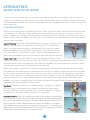
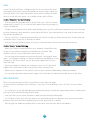
wiping. Do this until you’re comfortable. If you feel as if your legs want to float up as you put your face in, let
them. The more you relax, the “lighter” your legs will become. On the video, you’ll see Alice help Rosa to experience by supporting her legs at the shins.
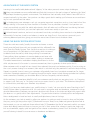
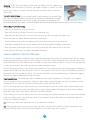
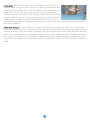
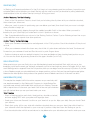
Combo Breathing (Right) This exercise will teach an advanced waterbreathing skill: Even with water in your mouth, you can breathe through
either your mouth or nose – without swallowing water. Crouch so the
water wets your chin. Take five or six slow, easy breaths with your chin
in the water. Continue until your breathing feels normal – almost bored.
Next, let some water into your open mouth. Breathe in through your
nose and out through your mouth five or six times. Continue until your
breathing feels normal – almost bored. Then breathe in through your
mouth over the water on your tongue and out through mouth and nose. Advanced swimmers are comfortable
having water in their mouth while breathing. This exercise will help you develop the same comfort.
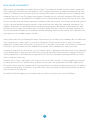
Bubble Longer Slow your breathing rhythm by making smaller, quieter bubbles. How quiet can you make your
bubbling? This will help prepare you for exercises to come in which you’ll want to have your face in the water
for longer periods with no tension or sense of breathlessness. Inhale for two counts and bubble out for four
to six counts. When you begin rhythmic breathing, you’ll exhale more slowly than you inhale. On the video, as
Rosa moves just off the steps, Alice keeps a comforting hand on her shoulder
Breathe Rhythmically Unlike land-breathing, water-breathing is always linked with body rhythms. The better
you connect body rhythms and breathing rhythms, the more effortless your breathing becomes. This exercise introduces that connection. Dip just your mouth at first, then goggles and finally your entire head, as
you gain confidence. Work toward a rhythm of a brief inhale and a longer exhale. The skill you developed
under the shower – letting water run off your face without wiping or spitting – will be helpful here. Matching
a partner’s rhythms, as you see Alice and Rosa doing, is a good exercise.
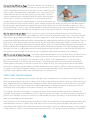
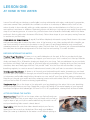
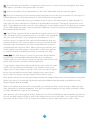
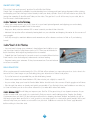
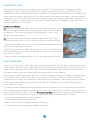
Explore Underwater You might call this exercise “the incredible lightness of swimming.” The key skill is learning to breathe and bubble in a horizontal position, just a bit closer to how you’ll do it while swimming. Most
students will start by maintaining strong support with their hands – as Rosa does initially – then gradually
allow the water to support their body weight more and more as we see Rosa do as she gains confidence.
Alice’s reassuring touch helps keep Rosa stable, while also giving her the confidence to move toward a position more like Dianne’s. Dianne shows what happens when you relax fully. The more she relaxes, the lighter
she feels, until finally her hands float free. This initial experience in enjoying the full support of the water can
be a wonderful confidence builder. The smaller and quieter your bubbles, the longer you’ll be able to enjoy
“floating” this way.
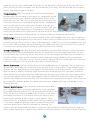
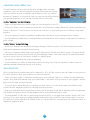
Discover Weightlessness (Right) This exercise illustrates how different TI swimming is from conventional approaches; it also represents
an incredibly liberating moment for Rosa, after decades of fear of the
water. The previous exercises in bubbling and “floating” at the stairs
have helped Rosa learn to trust herself, and Alice, enough to move
away from the wall and let Alice tow her a short distance. Being
towed by Alice, for a few brief seconds shows Rosa that swimming the
TI way will be completely different from the churning, frantic experience most people have in their first attempts at swimming. For
someone who felt threatened by the water to start with, this is essential to building confidence. Near the
stairs, as Alice releases her to glide the last few feet on her own, Rosa has a truly magic moment of knowing
9