1
Appendix 1: The rvs® parameters
1.5
Description of selected rvs® parameters
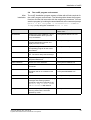
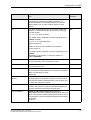
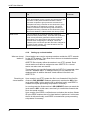
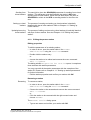
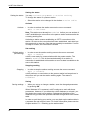
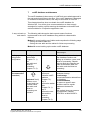
rvsXP contains a number of optional and security related features which
you may not need (all the time) at your installation. Each active function
consumes resources (processor time and hard disk access). The sum of
all functions can significantly affect the performance of rvsXP
components.
Data transmission
mechanism
As an example, consider transmission of a large data set. To be able to
resume transmission after a line failure without having to start at the
beginning of the file all over again, the Receiver periodically closes the
incoming data set. Both Sender and Receiver store the number of
transmitted bytes or records in the database. The frequency of these
actions is determined by parameters SENDBLOCKS and
RECVBLOCKS.
Reopening and positioning a large data set involves quite a number of
disk access operations and therefore is very time consuming1. So, if most
of your communication lines are very stable, you may want to set these
parameters to very large values effectively disabling the restart feature of
rvsXP.
SENDBLOCKS
If, on the other hands, most of your lines tend to break down every few
minutes, you will want to make sure that whatever has been transmitted
once, will not have to be transmitted again. Note, that a large value of
SENDBLOCKS may also increase the time before senders terminate
after Monitor has been stopped. Defaults have been chosen so that
rvsXP will work securely and with most options enabled.
1.6
RECVBLOCKS
OCREVAL
KEEPDAYS
Safety, resource consumption and performance
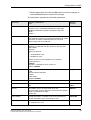
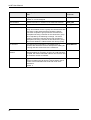
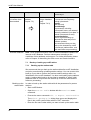
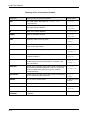
Besides RECVBLOCKS und SENDBLOCKS which have been
discussed above, there are several other parameters that influence the
balance between safety, resource consumption, and performance.
OCREVAL (recommended window size 99) and OEXBUF
(recommended size 4096 bytes) influence the overhead incurred by the
ODETTE protocol. The higher these values the less overhead. They will,
however, also increase the memory requirements for sender and
receiver. These values may be negotiated down at the start of each
transmission, so that unilateral changes may have no effect. What you
really determine is the maximum amount of memory you are willing to
allocate to ODETTE.
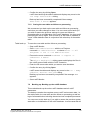
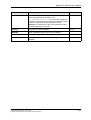
Searching in a large database generally takes longer than looking for
something in a small one. A larger database, however, retains more
information on completed transmissions. KEEPDAYS determines the
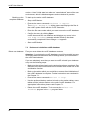
1
Transmission time for a 4.5 MB data set between two OS/2 nodes was reduced by about a factor
of 10 (from more than an hour to a few minutes) by changing the values of these parameters from
10 to 10000.
rvsXP User Manual / Rev. 2004-05-28
© gedas deutschland GmbH / Fachbereich rvs® Systems
A1-13