1
WHO BENEFITS?
Accessible content doesn’t just benefit the disabled.
It
benefits practically everyone.
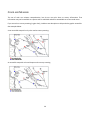
Curb cuts are a great example of a mandated
improvement that most people benefit from using.
Consider who benefits from curb cuts: bicyclists,
joggers, parents pushing their baby in a stroller, an
elderly person that uses a walker.
Web accessibility is similar. Accessible web content will be openly received by people with disabilities as well as
numerous other groups. Consider those who use modems to access the web, someone using a PDA or mobile
phone, folks that speak English as a second language or those with cognitive disorders.
Web accessibility increases an organizations online exposure and usability by inclusion of additional users.
Another valuable benefit is the consistency it creates in document creation and appearance. Imagine the time
you’ll save when you inherit another person’s document that was created using the same practices you’ll be
using.
When it comes to creating accessible documents, it is impossible to know exactly the barriers your potential
users may encounter. Additionally, it is equally impossible to create a document that is always 100% accessible
to all groups. However, you can consider the following groups of individuals with disabilities that may encounter
barriers on the web:
•
hard of hearing or deaf
•
low vision or blind
•
physical/motor disability
•
cognitive disability
•
temporary disability (broken arm, eye injury, etc.)
7