1
PROTEUS VSM
Using ITFMOD Properties
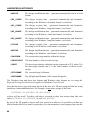
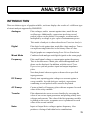
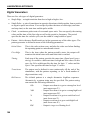
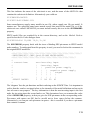
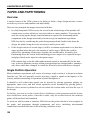
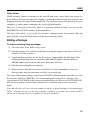
Existing interface models have been defined as follows:
TTL
TTLLS
TTLS
TTLHC
TTLHCT
CMOS
NMOS
PLD
Standard TTL (74 series)
Low power Schottky TTL (74LS series)
Standard Schottky TTL(74S series)
High Speed CMOS TTL (74HC series)
High Speed CMOS TTL with TTL outputs (74HCT series)
4000 series CMOS.
Microprocessor type MOS circuits.
PLD type MOS circuits.
It follows that any new digital model can be assigned a device family by adding a property
such as
ITFMOD=TTL
The family definitions are held in the file ITFMOD.MDF which is kept in the models directory.
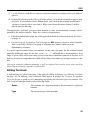
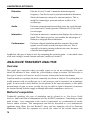
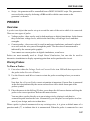
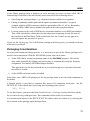
Each definition can contain any or all of the properties defined for the ADC and DAC
interface primitives. In addition, the following may be given:
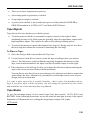
V+
VVOLTAGE
RINT
5V
1mΩ
FLOAT
-
Name of the positive power supply pin.
Name of negative power supply pin.
Specifies the default operating voltage.
Specifies the impedance of the internal battery. A value of
zero will disable the battery.
Specifies HIGH or LOW value for floating inputs.
Finally, it is worth pointing out that any specific property e.g. TRISE, can be overridden on
the parent device, so if you want simulate a 4000 series IC with a slow rise time, you could add
TRISE=10u directly to its property list.
PERSISTENT MODEL DATA
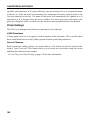
Certain simulator models, particular those for EPROMs, and micro-processors containing
EEPROM or flash memory are able to ‘remember’ data between simulation runs, just like their
real life counterparts. This action is facilitated by the MODDATA property. Persistent model
data blocks are stored in the DSN file, and so do not persist between PROTEUS sessions
unless you save the design.
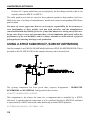
To reset the persistent model data to its initial condition, use the Reset Persistent Model Data
command on the Debug menu.
127