1
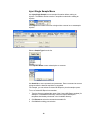
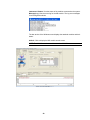
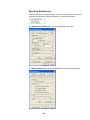
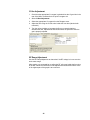
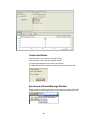
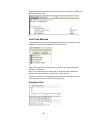
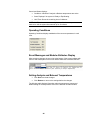
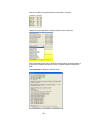
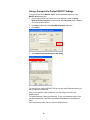
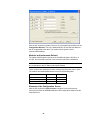
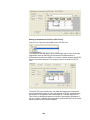
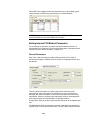
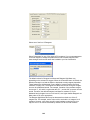
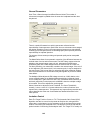
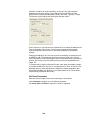
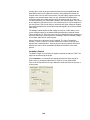
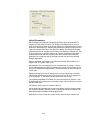
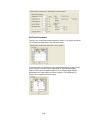
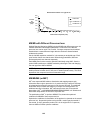
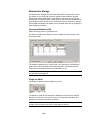
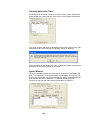
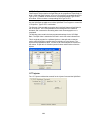
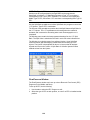
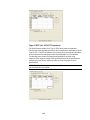
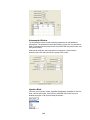
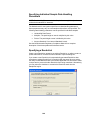
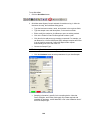
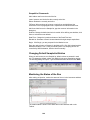
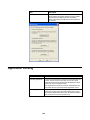
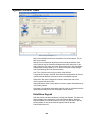
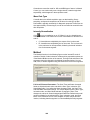
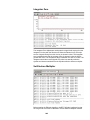
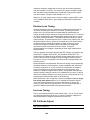
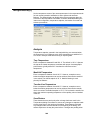
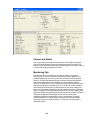
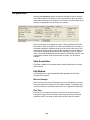
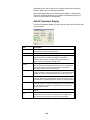
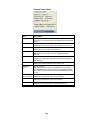
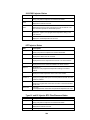
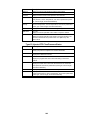
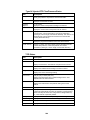
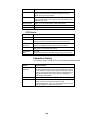
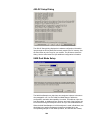
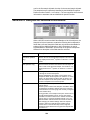
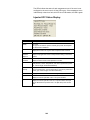
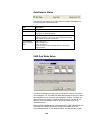
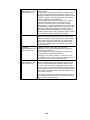
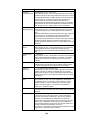
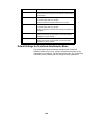
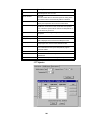
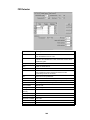
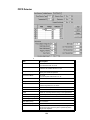
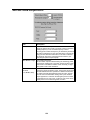
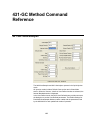
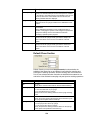
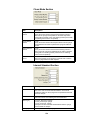
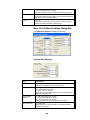
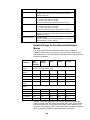
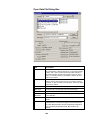
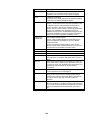
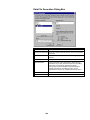
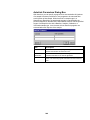
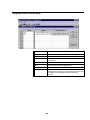
General Parameters Scan Time, uScans Averaged, and Data Rate are linked. The number of microscans averaged is updated when the scan time is adjusted and the other way around. Adjust the seconds/scan Adjust the # of uScans to average There is a trade-off between how quickly spectra are collected and the reproducibility of mass spectra or peak areas. As more microscans are averaged, the relative intensities of ions in the mass spectrum become more reproducible. Collecting more data points across a chromatographic peak improves peak area reproducibility for replicate injections. The average of three scans provides good spectral quality and an acceptable data rate. The Mass Defect allows for a systematic correction of the difference between the nominal mass of an ion and its exact mass. The NIST library reports molecular weights to the nearest integer mass unit only, whereas the 240-MS stores ion/intensity pairs with a mass assignment to the nearest tenth of a mass unit. For library searching, ion masses are rounded to the nearest integer. If the m/z of an ion happens to fall close to the 0.5 m/z crossover point, it may be assigned to the wrong mass. This is more likely for molecules with higher molecular weights, since the mass defects for several atoms may add together to produce a sizable mass defect. The Multiplier Offset adjusts the EM voltage as much as 300V relative to the current multiplier setting in the Module Attributes tab dialog in Manual Control .this is usually the105 gain value from Auto Tune. Sometimes better sensitivity is achieved, particularly in techniques such as MS/MS, when the multiplier voltage is increased. This can be adjusted for each segment. Select Customize to adjust the Count Threshold. The Count Threshold is normally 1 count; a value of 2-3 counts reduces the number of low-level ions reported in the mass spectrum. This approach may improve library searches and reduce data file size at the cost of somewhat less detailed information in the mass spectra. Ionization Control Enter The Target Total Ion Current, or TIC. The Automatic Gain Control (AGC) algorithm uses the ion count from a prescan at fixed ion time, along with this target value, to calculate an ion time necessary to fill the ion trap with the target number of ions during the analytical scan. The objective is to fill the trap with an optimal number of ions during each analytical scan. The Target TIC is usually not 105