1
AI198 Version 2.2x System Manager/User’s Guide
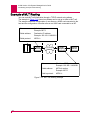
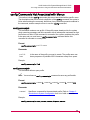
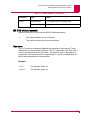
Reading Alias Macros: Overview
Overview
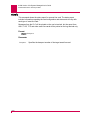
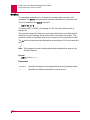
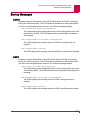
Macros are an important part of alias translations. For more information about aliases,
refer to Chapter 3: Introduction to System Configuration. Macros allow you to create
fewer aliases when you configure a system. When you use them with alternate
routing, you have multiple routes available for a single alias.
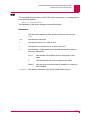
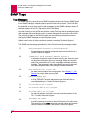
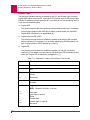
A macro may be entered for any or all combinations of alias names, called addresses,
caller’s addresses, call data, application-specific strings, and alternate routing aliases.
Each macro acts as a command line with instructions for matching patterns in alias
fields and manipulating them for redirection.
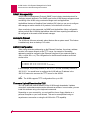
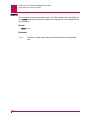
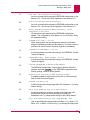
Macro Facts
z
Similar to the programming language BASIC.
z
Performs numeric and string functions.
z
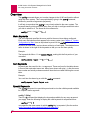
Characterized with an equal sign ( = ) in the first position of the field, which is
followed by commands necessary to manipulate the field.
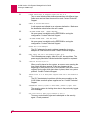
z
Each macro command is limited to 200 characters. (For brevity, most of the
functions can be condensed to a single letter. At least one character must be
entered after the equal sign =.)
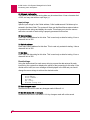
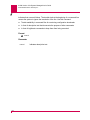
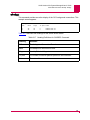
The Backslash Character
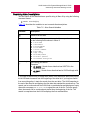
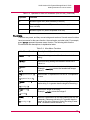
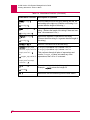
Any macro string can include the backslash character (\). This character is used to
“escape” another character (that is, to remove another character’s normal meaning).
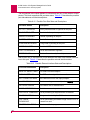
You may use the backslash character in any macro string (except the link number) to
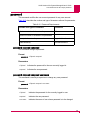
perform the following functions:
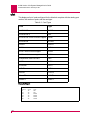
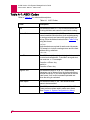
C-2
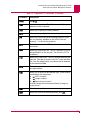
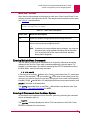
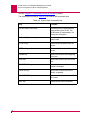
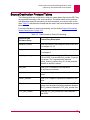
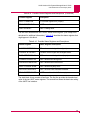
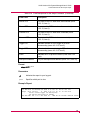
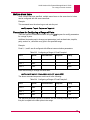
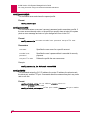
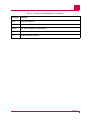
String
Interpreted as...
\b
Beep the system speaker
\r
Carriage return
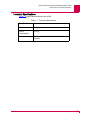
\\
Prints the backslash character with no special meaning