1
R&S ESPI
Instrument Functions
Analyzer Mode
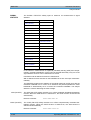
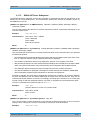
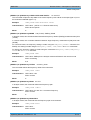
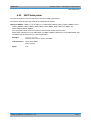
NEXT MIN
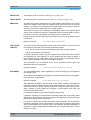
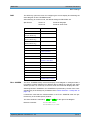
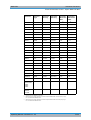
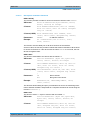
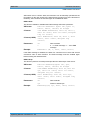
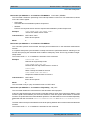
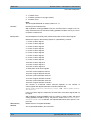
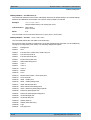
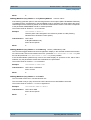
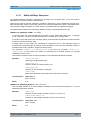
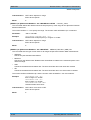
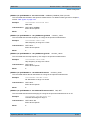
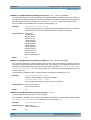
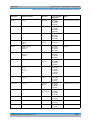
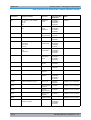
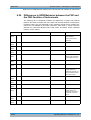
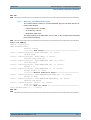
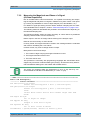
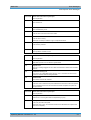
The NEXT MIN softkey sets the active marker/delta marker to the next higher minimum of the selected trace.
Remote command:
NEXT MIN
RIGHT
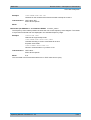
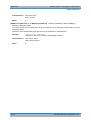
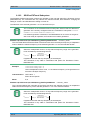
The NEXT MIN RIGHT softkey sets the active marker/delta marker to the next
higher minimum right of the current marker position on the selected trace.
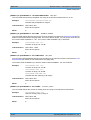
Remote command:
NEXT MIN
LEFT
CALC:MARK:MIN:LEFT
CALC:DELT:MIN:LEFT
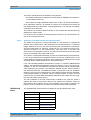
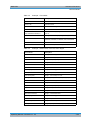
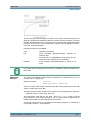
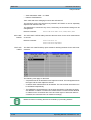
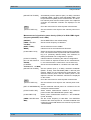
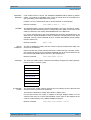
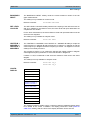
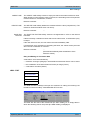
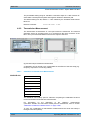
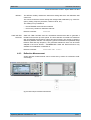
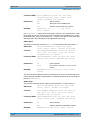
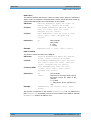
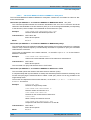
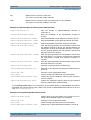
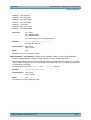
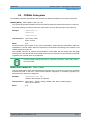
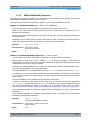
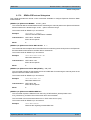
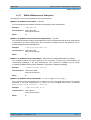
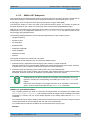
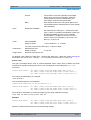
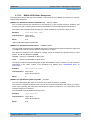
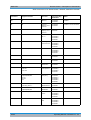
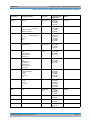
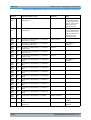
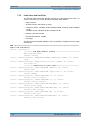
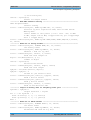
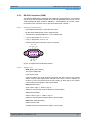
The EXCLUDE LO softkey limits the frequency range for the marker search functions or disables the limit.
activated
Because of the feed through of the first local oscillator to the first
intermediate frequency at the input mixer, the LO is represented as a
signal at 0 Hz. To avoid the marker jumping to the LO at 0 Hz with the
peak function when setting the display range, this frequency is
excluded. The minimum frequency to which the marker jumps, is ≥ 6
× resolution bandwidth (RBW).
deactivated
No restriction to the search range. The frequency 0 Hz is included in
the marker search functions.
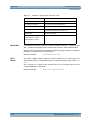
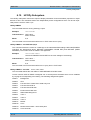
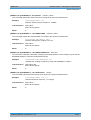
Remote command:
PEAK
EXCURSION
CALC:MARK:MIN:RIGH
CALC:DELT:MIN:RIGH
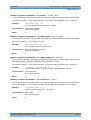
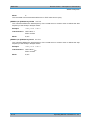
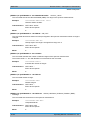
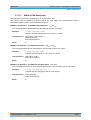
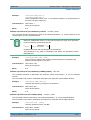
The NEXT MIN LEFT softkey sets the active marker/delta marker to the next higher
minimum left of the current marker position on the selected trace.
Remote command:
EXCLUDE LO
CALC:MARK:MIN:NEXT
CALC:DELT:MIN:NEXT
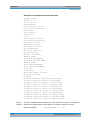
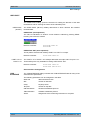
CALC:MARK:LOEX ON
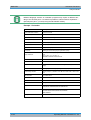
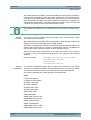
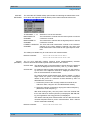
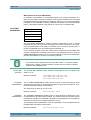
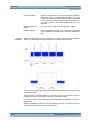
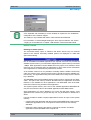
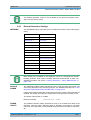
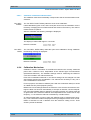
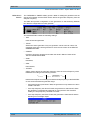
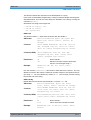
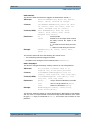
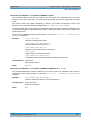
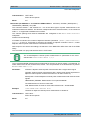
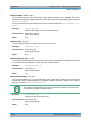
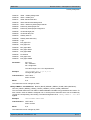
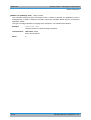
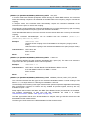
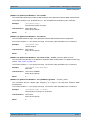
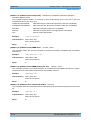
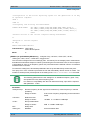
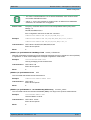
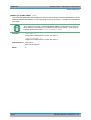
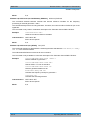
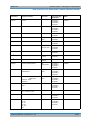
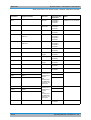
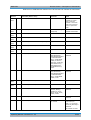
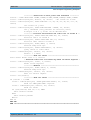
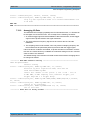
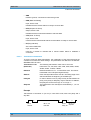
The PEAK EXCURSION softkey enables – for level measurements – the entry of a
minimum level value by which a signal must rise or fall so that it will be identified as
a maximum or a minimum by the NEXT PEAK and NEXT MIN search functions.
Valid entries are from 0 dB to 80 dB; the resolution is 0.1 dB.
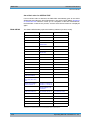
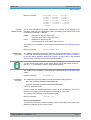
Remote command:
CALC:MARK:PEXC 10dB
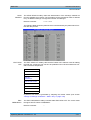
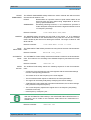
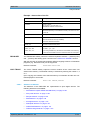
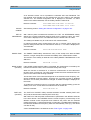
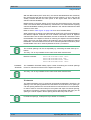
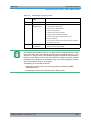
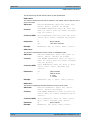
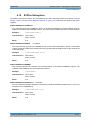
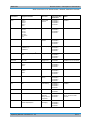
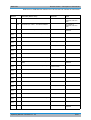
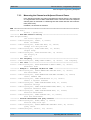
The default setting for the peak excursion is 6 dB. This value is sufficient for the
NEXT PEAK and NEXT MIN functions since, in this mode, the next lower maximum
or next higher minimum will always be detected.
If NEXT PEAK LEFT or NEXT PEAK RIGHT is selected, these functions search for
the next relative maximum left or right of the current marker position irrespective of
the current signal amplitude. Relative maximum is understood to mean a decrease
of the signal amplitude by a defined value – i.e. the peak excursion – right and left of
the amplitude peak.
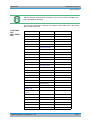
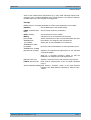
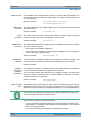
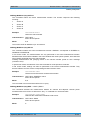
The 6 dB level change set as a default value may be attained already by the inherent noise of the instrument. In such a case, the R&S ESPI would identify noise
peaks as maxima or minima. The value entered for the PEAK EXCURSION should
therefore be higher than the difference between the highest and the lowest value
measured for the displayed inherent noise.
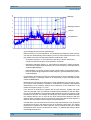
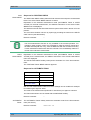
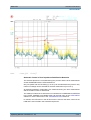
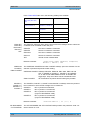
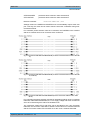
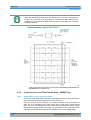
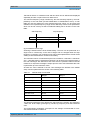
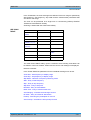
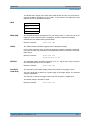
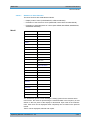
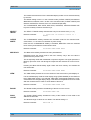
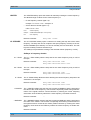
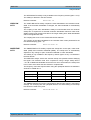
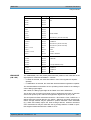
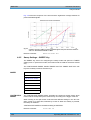
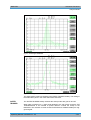
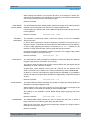
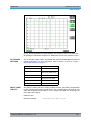
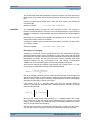
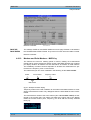
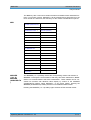
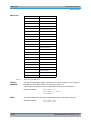
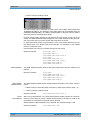
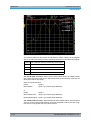
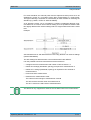
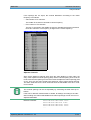
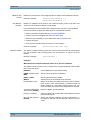
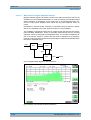
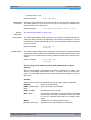
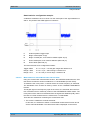
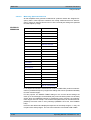
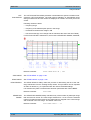
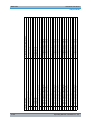
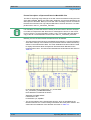
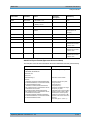
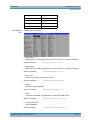
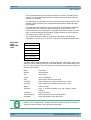
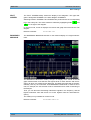
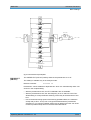
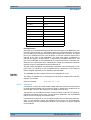
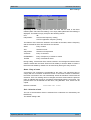
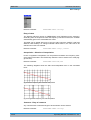
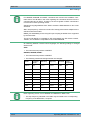
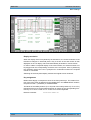
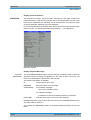
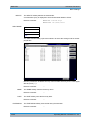
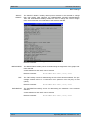
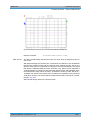
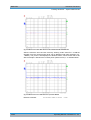
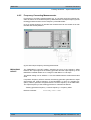
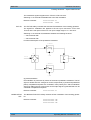
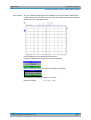
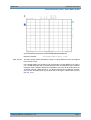
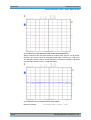
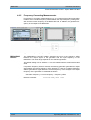
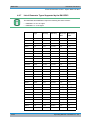
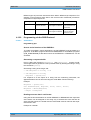
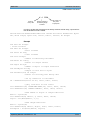
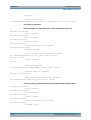
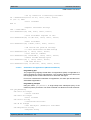
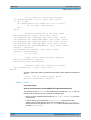
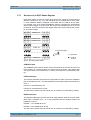
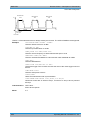
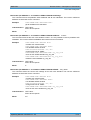
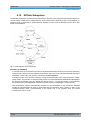
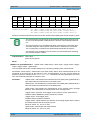
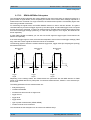
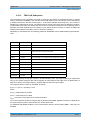
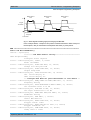
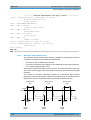
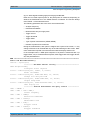
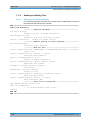
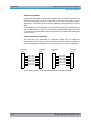
The following example illustrates the effect of different settings of the PEAK
EXCURSION.
Operating Manual 1164.6607.12 - 02
4.133