1
Temperature Sensing
Overview
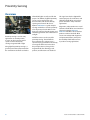
Temperature sensing is critically
important for implementing three
key functions in industrial systems.
Thermistors, RTDs, thermocouples, and
ICs are some of today’s most widely used
temperature-sensing technologies. Each
design approach has its own strengths
(e.g., cost, accuracy, temperature
range) that make it appropriate for
specific applications. Each of these
technologies will be discussed.
1. Temperature control, for example
in ovens, refrigeration, and
environmental-control systems,
depends on the measurement of
temperature to make heating/
cooling decisions.
2. Calibration of a variety of
transducers, oscillators, and other
components often varies with
temperature. Therefore, temperature
must be measured to ensure
the accuracy of sensitive system
components.
SENSOR AND
NETWORK
3. Protection of components and
systems from damaging temperature
excursions. Temperature sensing
determines the appropriate action
to take.
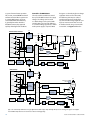
AFE
FILTER
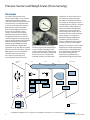
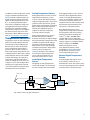
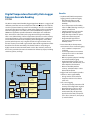
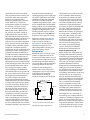
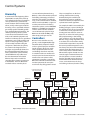
In addition to the industry’s most
comprehensive line of dedicated
temperature-sensor ICs, Maxim
manufactures all the components
necessary to interface a system to
thermistors, RTDs, and thermocouples.
ADC
DIGITAL DOMAIN
THERMOCOUPLE
μC
V
ADC
LEVEL
TRANSLATOR
RTD
OP AMPS
PRECISION
RESISTORS
DIGITAL
POTENTIOMETERS
TOUCH
SCREEN
REFERENCE
PGA
ISOLATION
THERMISTOR
IA
TEMP
SENSORS
REF
DAC
= MAXIM SOLUTION
EXCITATION
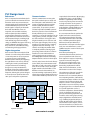
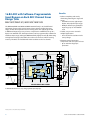
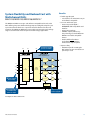
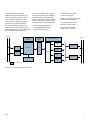
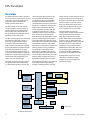
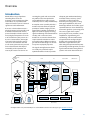
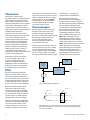
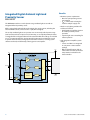
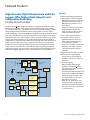
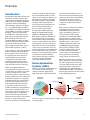
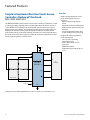
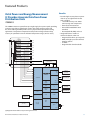
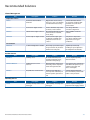
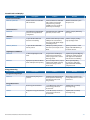
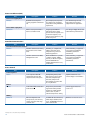
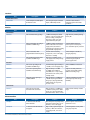
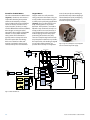
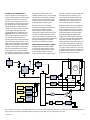
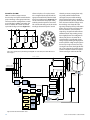
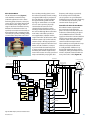
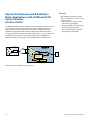
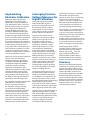
Block diagram of the signal chain in a temperature-sensing application. For a list of Maxim’s recommended temperature-sensor solutions, please go to: www.maxim-ic.com/-40+85.
Sensors
57