1
Chapter 3
Provisioning PXM1E Communication Links
General PXM1E Configuration Procedures
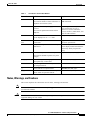
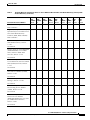
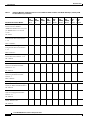
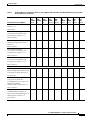
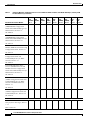
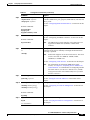
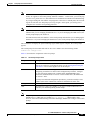
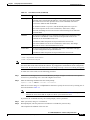
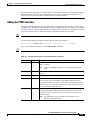
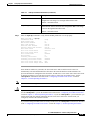
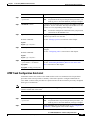
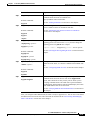
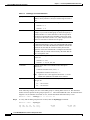
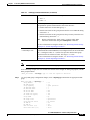
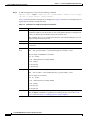
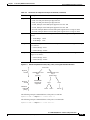
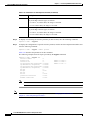
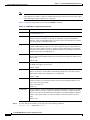
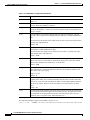
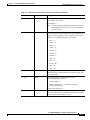
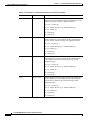
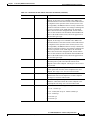
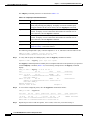
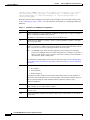
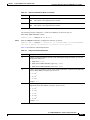
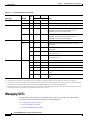
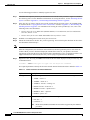
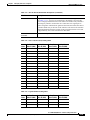
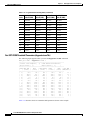
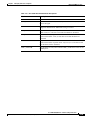
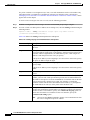
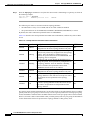
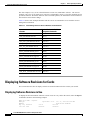
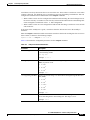
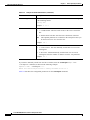
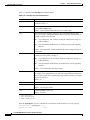
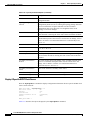
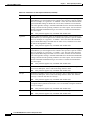
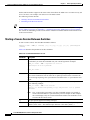
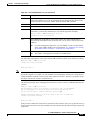
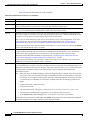
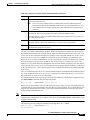
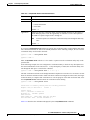
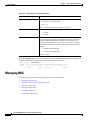
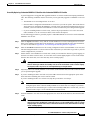
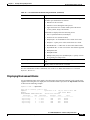
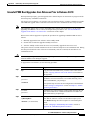
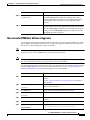
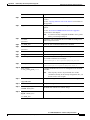
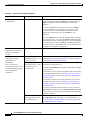
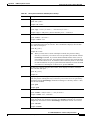
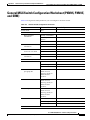
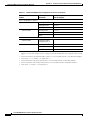
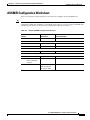
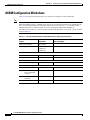
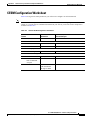
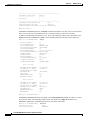
Table 3-14 ATM Address Configuration Parameters
Parameter
Description
portid
Port identifier in the format slot:bay.line:ifnum. These parameters are described in
Table 3-11.
atm-address
Enter the ATM address using up to 40 nibbles. The ATM address can include up to
20 bytes, which is 40 nibbles or 160 bits.
length
Enter the length, in bits, of the address you specified with the <atm-address>
parameter. Each nibble is equal to 4 bits. The acceptable range for the parameter is
from 0 to 160 bits.
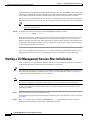
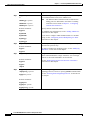
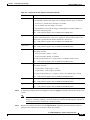
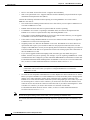
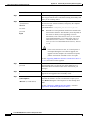
-type
Enter the address type, which is int (internal) for CPE static addresses. The ext
(external) value is used when creating destination addresses for AINI and IISP static
links.
Note that because the default value is int, you do not have to specify this option when
defining static CPE addresses.
Default = int.
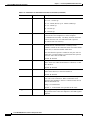
-proto
For CPE static addresses, specify the -proto option with the local value. The static
value applies to AINI and IISP static links.
Note that because the default value is local, you do not have to specify this option
when defining static CPE addresses.
Default = local.
-plan
Enter the address plan, which is either e164 (E.164) or nsap (NSAP). For an NSAP
address, the first byte of the address automatically implies one of the three NSAP
address plans: NSAP E.164, NSAP DCC, or NSAP ICD.
Default = nsap.
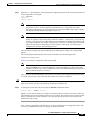
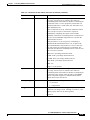
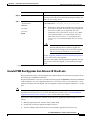
-scope
PNNI scope of advertisement. The scope defines the level of the PNNI hierarchy at
which this address is advertised. Enter 0 to advertise the destination address to all
nodes in the node’s peer group.
Range: 0 to 104.
Default = 0.
-redistribute
Specifies whether or not the ATM address should be distributed or advertised to PNNI
neighbor nodes. Enter yes to enable distribution and enter no to disable. When this
option is set to yes, the node distributes the address to the PNNI neighbors defined
with the scope option. When set to no, the address is not advertised to any other
nodes.
Default = no.
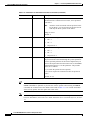
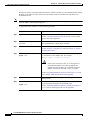
-tnid
The transit network ID identifies a network where connections from the current node
do not terminate.This number applies to static addresses only. The application of this
option depends on the design intent of the user. The ID can have up to four IA5
characters (IA5 is a superset of the ASCII character set).
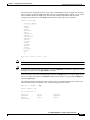
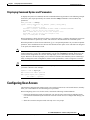
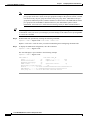
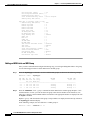
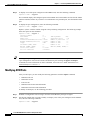
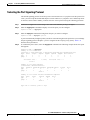
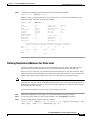
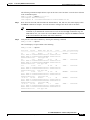
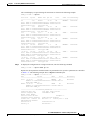
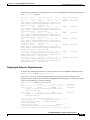
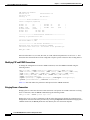
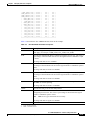
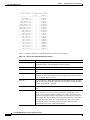
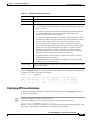
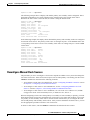
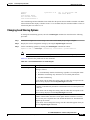
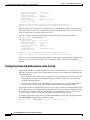
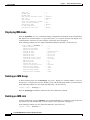
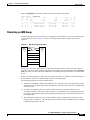
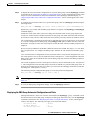
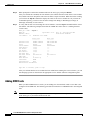
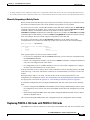
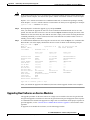
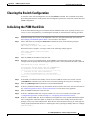
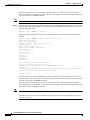
The following example assigns an ATM address to port 2:2.2:1:
mgx8830a.1.PXM.a > addaddr 1:2.1:3 47.1111.1111.1111.1111.1111.1111.1111.1111.1111.11 160
Cisco MGX 8800/8900 Series Software Configuration Guide
3-58
Release 5.1, Part Number OL-6482-01, Rev. A0, January 25, 2005