1
Chapter 9
Switch Operating Procedures
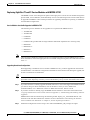
Managing Telnet Access Features
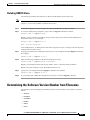
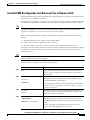
Starting a Telnet Session from a Workstation
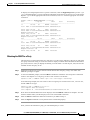
For instructions on starting a Telnet session from a workstation, see “Starting a CLI Telnet Session” in
Appendix C, “Supporting and Using Additional CLI Access Options.”
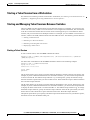
Starting and Managing Telnet Sessions Between Switches
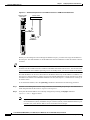
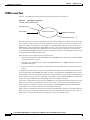
The Cisco MGX switches support Telnet sessions between switches. For example, you can start a CLI
session with one switch, Telnet to a second switch to view configuration information, then switch back
to the first switch and continue that CLI session. Each switch supports up to 15 simultaneous Telnet
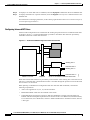
sessions, and you can Telnet across multiple switches. For example, you can establish a CLI session on
switch A, Telnet to switch B, and then Telnet from switch B to switch C. The following sections describe:
•
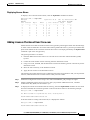
Starting a Telnet Session
•
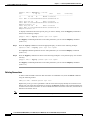
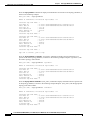
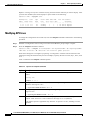
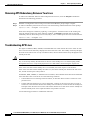
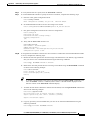
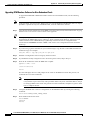
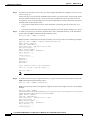
Returning to a Previous Session
•
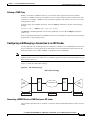
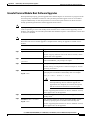
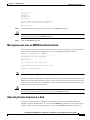
Returning to the Original CLI Session
•
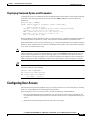
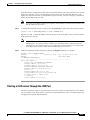
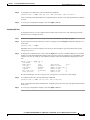
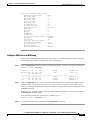
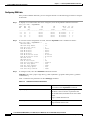
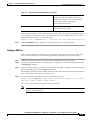
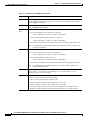
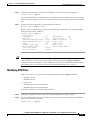
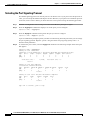
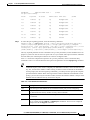
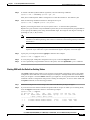
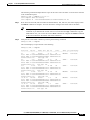
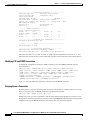
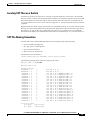
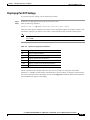
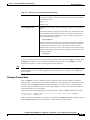
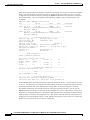
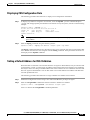
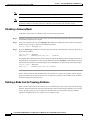
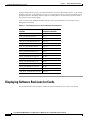
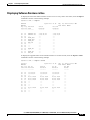
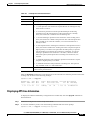
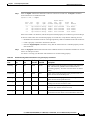
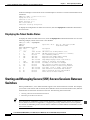
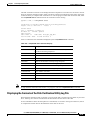
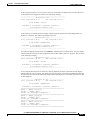
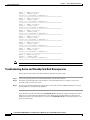
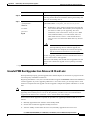
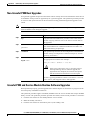
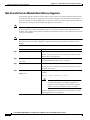
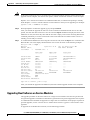
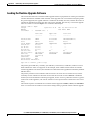
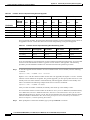
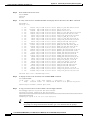
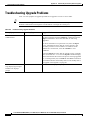
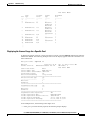
Displaying a Telnet Trace
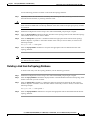
Starting a Telnet Session
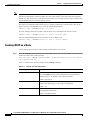
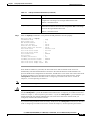
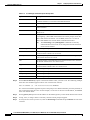
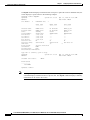
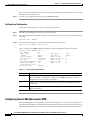
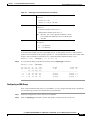
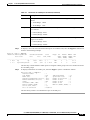
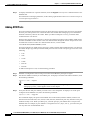
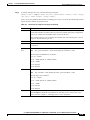
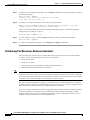
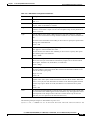
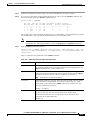
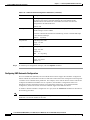
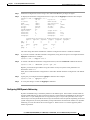
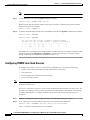
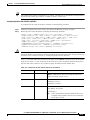
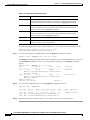
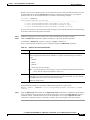
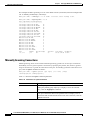
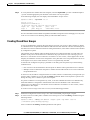
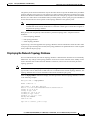
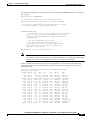
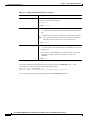
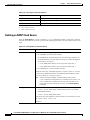
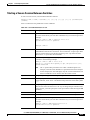
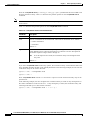
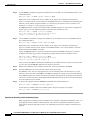
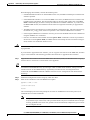
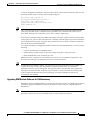
To start a Telnet session, enter the telnet command as follows:
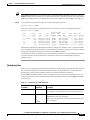
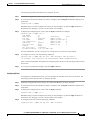
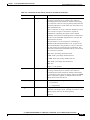
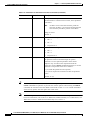
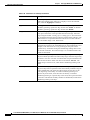
mgx8830a.1.PXM.a > telnet [-E<escapeCharacter>] [-R<tracerouteCharacter>] <ipAddress>
[[0x|X|x]<tcpPort>]
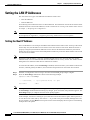
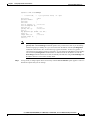
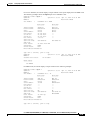
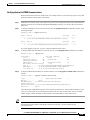
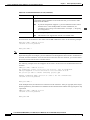
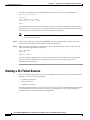
You must enter an IP address with the telnet command as shown in the following example:
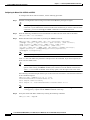
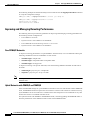
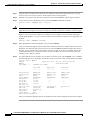
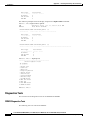
mgx8830a.1.PXM.a > telnet 172.29.52.88
Trying 172.29.52.88...
Connected to 172.29.52.88
Login: cisco
password:
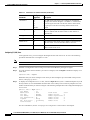
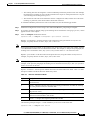
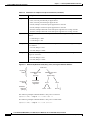
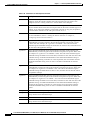
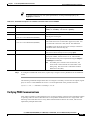
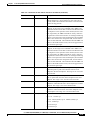
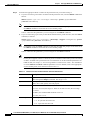
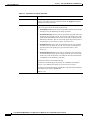
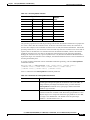
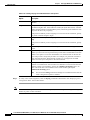
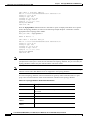
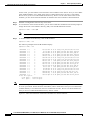
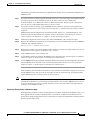
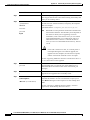
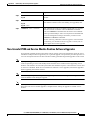
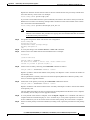
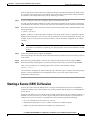
The -E option allows you to specify an escape character that takes you back to the previous session. For
example, if you have Telnetted from Switch A to Switch B to Switch C, you can use this escape character
to return to Switch B. The default escape character is Q. To change this, specify an alternate escape
character with the -E option when you start a Telnet session. There should be no space character between
the -E and the escape character.
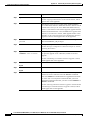
The -R option allows you to specify an escape character that displays a trace of your Telnet activity. For
example, if you have Telnetted from Switch A to Switch B to Switch C, you can use this escape character
to display the Telnet routes from A to B and from B to C. The default escape character is g. To change
the default escape character, specify an alternate escape character withe the -R option when you start a
Telnet session. There should be no space character between the -R and the escape character.
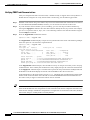
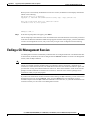
The tcpPort option allows you to specify a destination port for the Telnet session. If you omit this option,
the Telnet session uses the default Telnet port.
Cisco MGX 8850 (PXM1E/PXM45), Cisco MGX 8950, Cisco MGX 8830, and Cisco MGX 8880 Configuration Guide
Release 5.0.10, OL-3845-01 Rev. B0, August 16, 2004
9-57