1
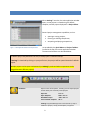
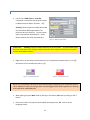
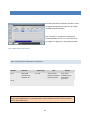
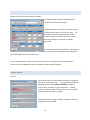
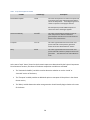
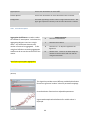
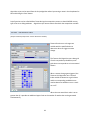
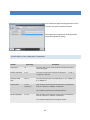
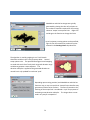
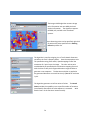
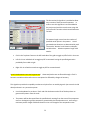
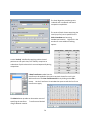
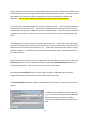
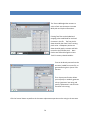
OVERVIEW The principal elements of ArtSong™’s composition system are a composition engine, project components, and composition variables. The composition engine manages the overall composition process with a series of time-based control messages to the various project components; composition variables determine how each component responds to those control messages. COMPOSITION VARIABLES AND DRIVING-FUNCTIONS Composition variables are at the heart of all the dynamic processes, decision-making, and data generation that occur during ArtSong™’s algorithmic composition process. Composition variables extend traditional single-valued properties with a user-adjustable ‘value-range’, ‘change-limit’, and an optional assignable ‘driving-function’ or algorithm: The ‘value-range’ is the user-specified operational range for a composition variable’s value and includes a user-specified starting value. If an algorithmic function is not assigned to the variable, its ‘value’ will remain constant at the specified starting value. When a function is assigned, the value will vary, according to the function, within the specified operational range. Variables have pre-established minimum and maximum values. This overall range is designed to accommodate a wide variety of compositional circumstances. Please Note: The large number of potential variable and variable-range combinations available make it possible to create ArtSong™ configurations with conflicting constraints. ArtSong™ does not generate notes if it cannot meet all active constraints. If you encounter sections where notes are not being generated and you think they should be, please review your variable ranges, especially the pitch-related variable ranges. Normally, it is recommended that track ‘pitch ranges’ be at least 1 octave wide and the track ‘harmonic-range’ be set to full range. The ‘change-limit’ can be used to impose a limit on the maximum difference allowed between successive variable values as a percentage of the total range. ‘Driving functions’ refer to the small dedicated functions or algorithms which can be assigned to an individual variable to provide specific ‘dynamic variable behaviors’ during the composition process. The current library includes functions ranging from user-specified value sequences, contour-following value sequences, ramp functions, and sinusoidal functions to more complex chaotic or stochastic variable-value behaviors. 6