1
Desmond Users Guide, Release 3.4.0 / 0.7.1
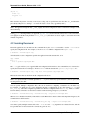
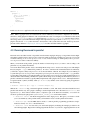
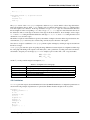
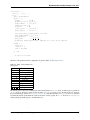
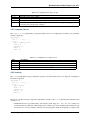
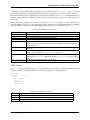
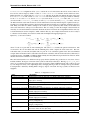
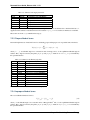
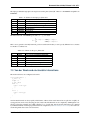
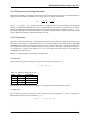
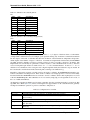
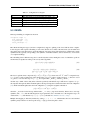
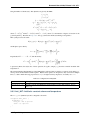
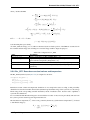
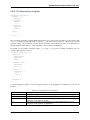
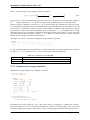
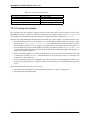
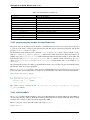
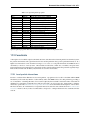
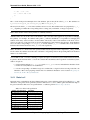
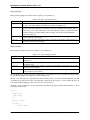
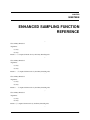
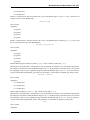
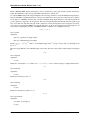
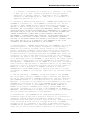
Table 8.1: Schema for the constraint_ahN tables
name
r1
r2
...
rN
p0
p1
p2
...
pN
type
FLOAT
FLOAT
description
A-H1 distance
A-H2 distance
FLOAT
INTEGER
INTEGER
INTEGER
A-HN distance
id of parent atom
id of H1
id of H2
INTEGER
id of HN
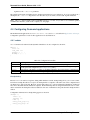
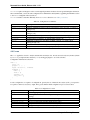
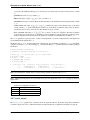
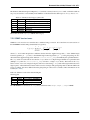
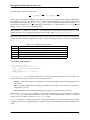
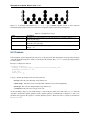
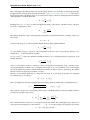
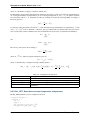
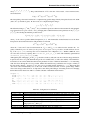
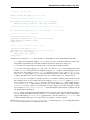
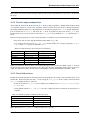
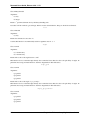
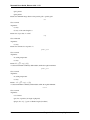
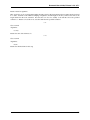
Table 8.2: Schema for the constraint_hoh (rigid water)
table
name
theta
r1
r2
p0
p1
p2
type
FLOAT
FLOAT
FLOAT
INTEGER
INTEGER
INTEGER
description
H-O-H angle in DEGREES
O-H1 distance
O-H2 distance
id of heavy atom (oxygen)
id of H1
id of H2
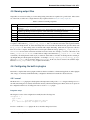
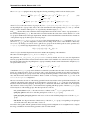
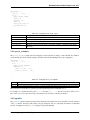
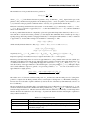
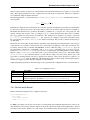
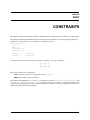
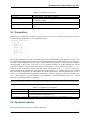
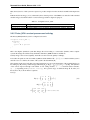
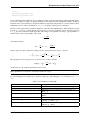
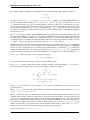
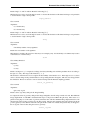
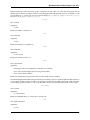
A constrained particle is no longer free; each such particle has 3 − m/2 degrees of freedom, where m is the number
of independent constraints involved; for example, a pair of particles having only one distance constraint between them
has five degrees of freedom. Constraints thus affect the calculation of the instantaneous temperature and pressure,
which depend on the number of degrees of freedom. Constraints are implemented in Desmond by the M-SHAKE
algorithm, iteratively obtaining corrections to particle positions (as well as secondary corrections to momenta). The
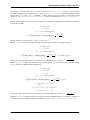
implementation is controlled by two parameters, a relative tolerance, δ, and a maximum iteration count, m. Iteration
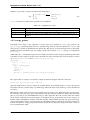
ceases if each particle-pair distance is within a factor of 1 + δ of its constrained distance. A value of δ = 10−8 is
suitable for most simulations. The convergence rate is high enough that usually fewer than five steps are needed. In
the event that the constraint iteration fails, Desmond prints a warning to the simulation log.
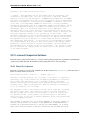
Regardless of the precision (single or double) used for the atomic coordinates, the M-SHAKE implementation performs its calculations in double precision. If the atomic coordinates are in single precision, some error is inevitably
introduced when these M-SHAKE results are converted to atomic coordinates, which could, in principle be recovered
at the next M-SHAKE update. This cumulative error is recovered by employing a novel algorithm we call reshake, at
the cost of additional arithmetic.
An alternative constraint algorithm is used for water constraints, since the constrained molecule is a rigid body. This
algorithm, due to Reich [Rei-1994], derives a fixed rigid motion approximation to the constrained motion, generally
needing fewer arithmetic operations to preserve constraints to full precision.
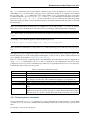
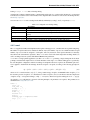
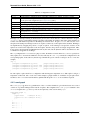
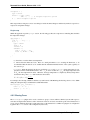
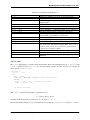
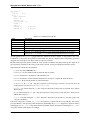
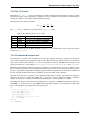
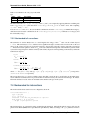
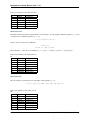
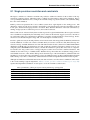
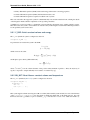
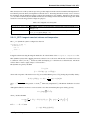
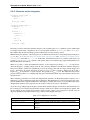
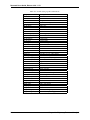
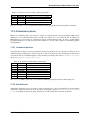
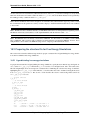
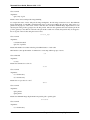
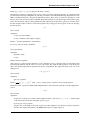
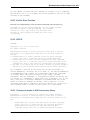
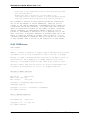
Table 8.3: Configuration for constraint
name
exclude
include
tol
use_Reich
use_reshake
66
description
constraint terms to turn off. Optional—by default, empty [List of names]
constraint terms which must be turned on (overrides exclude). Optional—by default, empty
[List of names]
Relative tolerance for the constraint algorithm. [Real > 0]
employ Reich’s rigid motion constraint algorithm for HOH constraints. Optional–by default
true. [Boolean]
Compensate for double to single precision rounding effects. Optional—by default true.
[Boolean]
Chapter 8. Constraints