1
Desmond Users Guide, Release 3.4.0 / 0.7.1
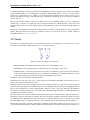
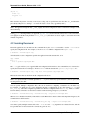
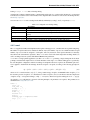
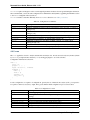
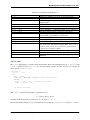
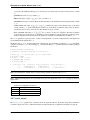
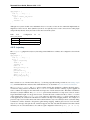
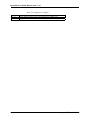
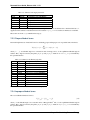
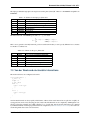
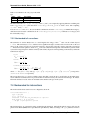
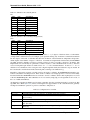
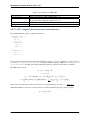
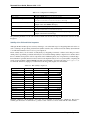
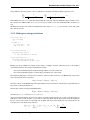
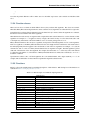
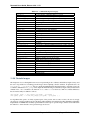
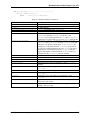
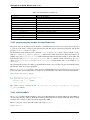
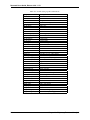
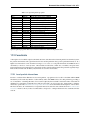
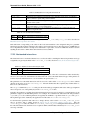
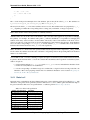
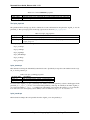
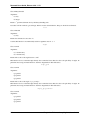
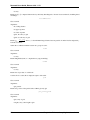
Table 17.5: Optional particle properties
name
mass
charge
vx
vy
vz
nbtype
grp_temperature
grp_energy
grp_ligand
grp_bias
resid
resname
chain
name
formal_charge
occupancy
bfactor
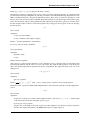
type
FLOAT
FLOAT
FLOAT
FLOAT
FLOAT
INTEGER
INTEGER
INTEGER
INTEGER
INTEGER
INTEGER
TEXT
TEXT
TEXT
FLOAT
FLOAT
FLOAT
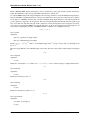
description
Desmond: particle mass in MASS
Desmond: particle charge in CHARGE
Desmond: x-velocity in LENGTH/TIME
Desmond: y-velocity in LENGTH/TIME
Desmond: z-velocity in LENGTH/TIME
Desmond: nonbonded type
Desmond: temperature group
Desmond: energy group
Desmond: ligand group
Desmond: force biasing group
Viparr: residue number
Viparr: residue name
Viparr: chain identifier
Viparr: atom name
Viparr: format particle charge
pdb occupancy value
pdb temperature factor
Optional particle properties that may be added as additional columns in the particle table.
17.2 Forcefields
A description of a forcefield comprises the functional form of the interactions between particles in a chemical system,
the particles that interact with a given functional form, and the parameters that govern a particular interaction. At a
higher level, interactions can be described as being local or nonlocal. Local particle interactions in DMS are those
described by a fixed set of n-body terms. These include bonded terms, virtual sites, constraints, and polar terms.
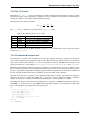
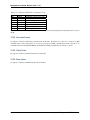
Nonlocal interactions in principle involve all particles in the system, though in practice the potential is typically rangelimited. These include van der Waals (vdw) interactions as well as electrostatics.
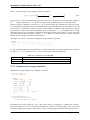
17.2.1 Local particle interactions
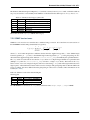
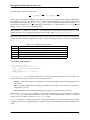
In order to evaluate all the different forces between particles, a program needs to be able to find them within a DMS
file that may well contain any number of other auxiliary tables. The DMS format solves this problem by providing a
set of “metatables” containing the names of force terms required by the forcefield as well as the names of the tables in
which the force term data is found. The force terms are placed into one of four categories: bonded terms, constraints,
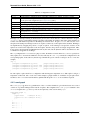
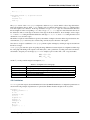
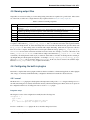
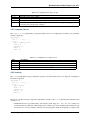
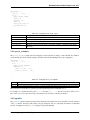
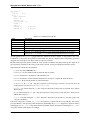
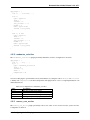
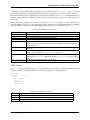
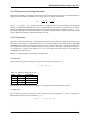
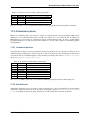
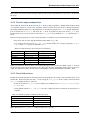
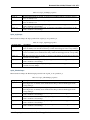
virtual sites, polar terms. Metatables for local particle interactions shows the names and descriptions of those tables.
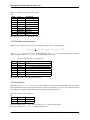
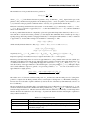
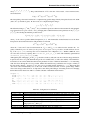
The first four tables, all of which refer to local particle interactions, have the same schema shown in Local interaction
metatables. Each row in any of these four metatables corresponds to a unique functional form, documented in later
sections.
17.2. Forcefields
129