1
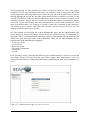
Table aspnet_Users is the connection point between manually created database tables and the
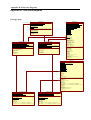
ASP.NET tables. The prototype consists of 12 tables – we have 5 that are created manually
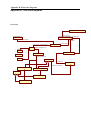
and 7 that are created automatically. The manually created ones are: Shop, Object, Comments,
Objects and shops, and Events (see fig. 5). Table Shop represents data related to shops that
belongs to certain client. Attributes representing shops are the following: Name, relevant
contact information and position of the shop in the map, by x and y coordinates, opening
hours and address etc. Table Comments is related to a particular shop, which has information
about the advertisement of a shop (attribute Comments), that can be left/updated by a
registered client. It also possesses start and stop dates related with a particular comment. The
attribute UpdateTime (for the administrators) indicates the latest update of a certain comment.
Table Object contains data on objects, i.e. products, sold in a particular shop, like shoes,
clothes, services, etc., or a service, like tourist information, and an attribute representing an
icon for an object. Table Events holds information about events happening in the town, like
sport events, concerts, etc. The attributes of this table is Name, Address, Start date and a
comment of the event. It also holds (in the same manner as Shops) X and Y coordinates of the
map to represent its location.
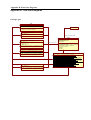
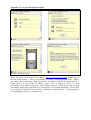
Figure 5. Database prototype: tables and relationships
Talking about the relationships, a single user (client) may own several shops, which is
represented by one-to-many relationship. One shop in turn might have many comments which
can be updated. One shop can also have several objects, i.e. products sold (relationship oneto-many). And a certain object might be sold in several shops, that is, we get a many-to-many
relationship. A tourist office is a particular instance of a shop, which also might have several
instances, and provides tourist information (standing for a service in Object table). It can also
add information about certain events. This is why we need an additional table, objects and
shops. It relates shops to objects and events and vice versa. That’s why we have one-to-many
relation with the table Objects and one-to-many relation with the table Events.
23