1
6 IP Routing
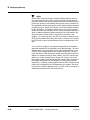
This default gateway also may not know how to route the packet. In this
case, the gateway may return the ICMP “host unreachable” or “destination
unreachable” message if the gateway routing policies allow any such
response.
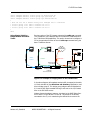
The gateway device is normally a router, and the unknown subnet may be
on the other side of this router. This other device would also normally have
knowledge of the network topology far beyond its own interfaces. Such
knowledge is often propagated between such routing devices using an
internal gateway protocol (IGP); the C3 supports both RIP (Routing Information Protocol) and OSPF (Open Shortest Path First) protocols for this
purpose.
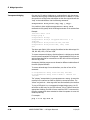
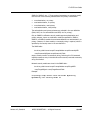
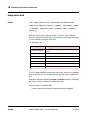
Static Routing
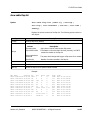
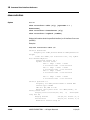
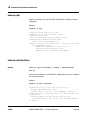
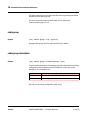
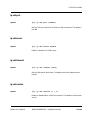
Static routing involves manually configuring routes to certain IP hosts,
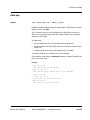
using the ip route command. If you are not using learned (dynamic)
routing, you must configure a static route to the default gateway device
using the ip route command. Use the ip route command to provide a
route to a destination network or to a destination host. The ip route
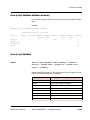
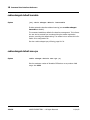
0.0.0.0 0.0.0.0 a.b.c.d command is a special form of this command used
to set a default route as discussed above.
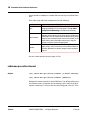
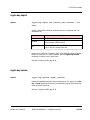
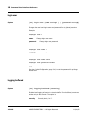
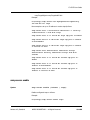
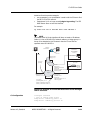
Different gateways may be given for the same route with different administrative distances—the C3 uses the route with the lowest administrative
distance until the route fails, then uses the next higher administrative
distance, and so on. Up to 6 static routes may be configured in this
manner. The route to a connected subnet (subnet of a sub-interface)
always has an administrative distance of 0 and thus takes precedence over
any static route.
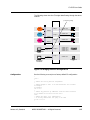
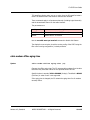
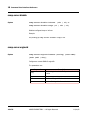
In case of two static routes to the same prefix with equal administrative
distance, the C3 uses the first provisioned route. If that route fails, then
the C3 uses the next route. After rebooting, the C3 uses the first static
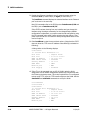
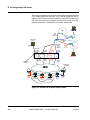
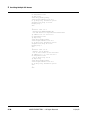
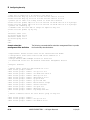
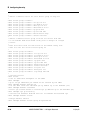
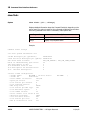
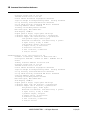
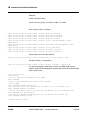
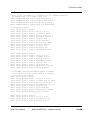
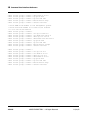
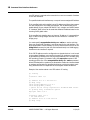
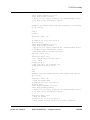
route defined in the startup-configuration file. An example of this is shown
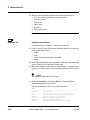
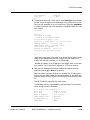
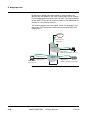
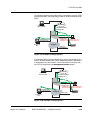
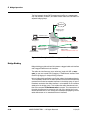
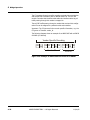
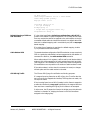
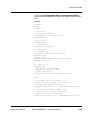
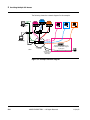
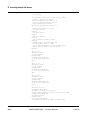
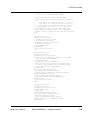
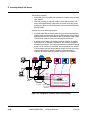
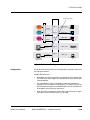
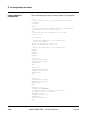
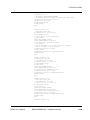
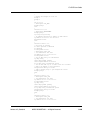
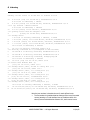
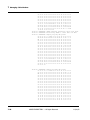
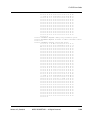
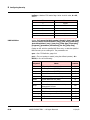
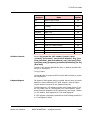
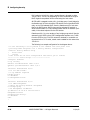
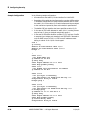
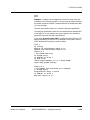
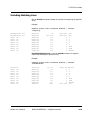
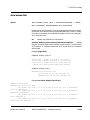
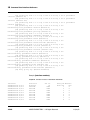
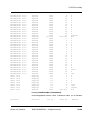
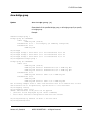
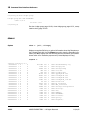
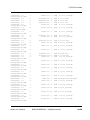
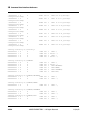
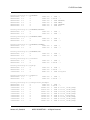
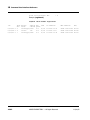
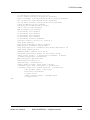
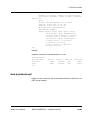
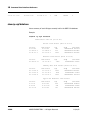
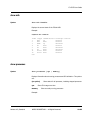
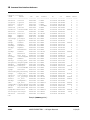
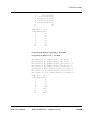
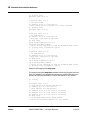
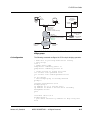
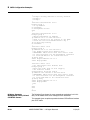
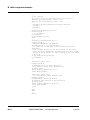
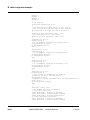
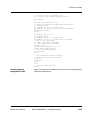
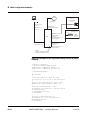
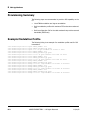
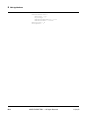
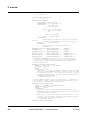
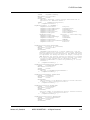
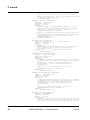
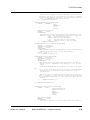
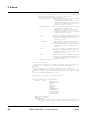
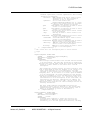
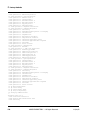
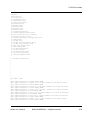
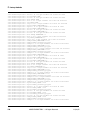
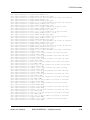
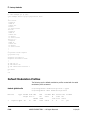
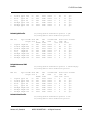
in Routing Priority, page 6-3—refer to the 6 static routes (*) and (**) for
network 15.0.0.0/24.
Static routing is supported in all C3 operating modes.
Dynamic Routing
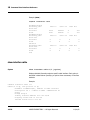
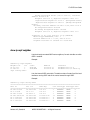
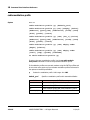
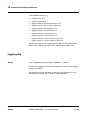
Learned routing, or dynamic routing, means that the C3 learns routes to
various destinations from messages sent by other routers on the network.
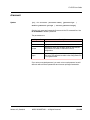
In this version of C3 operating software, the C3 supports the following
protocols:
•
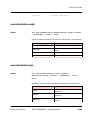
RIPv2 (RFC 2453).
•
OSPFv2 (RFC 2328)
These protocols are known as Internal Gateway Protocols (IGP).
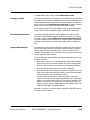
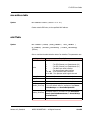
RIP and OSPF routing support is an extra-cost option. Contact your ARRIS
representative to obtain a license key.
6-2
ARRIS PROPRIETARY — All Rights Reserved
11/14/05