1
Licensed to: iChapters User
MEDICAL GAS SUPPLY EQUIPMENT • 59
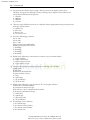
20. The lightest compressed gas cylinder for ambulatory use is:
a. a 3AA steel cylinder.
b. an aluminum (3AL) cylinder.
c. a fiber wrapped cylinder.
d. a portable liquid reservoir.
21. A device that mixes air and oxygen is termed a (an):
a. concentrator.
b. oxygen enricher.
c. oxygen proportioner.
d. reducing valve.
22. When troubleshooting an oxygen concentrator, you find that the device is operating yet you
are unable to obtain the desired flow of oxygen-enriched gas. Possible problems include:
I. a tripped circuit breaker.
II. obstructed delivery tubing.
III. obstructed humidifier.
IV. a dirty filter.
a. I
b. I and II
c. II and III
d. I and IV
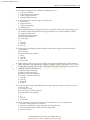
23. Advantages of transfilling portable cylinders from a home oxygen concentrator include:
I. convenience.
II. cost savings.
III. speed of filling the cylinder.
a. I only
b. I and II
c. I and III
d. I, II, and III
24. When making a call on a home care patient, you weigh her liquid reservoir, which registers
80 lbs. You know the manufacturer’s weight to be 60 lbs, and that your patient uses 3 L/min
oxygen. How much gas does her reservoir contain, and can she wait for 5 hours before your
company’s delivery truck arrives?
I. 12,340 L oxygen remaining
II. 5,484 L oxygen remaining
III. 30 hours’ duration remaining
IV. 84 hours’ duration remaining
a. I and III
b. I and IV
c. II and III
d. II and IV
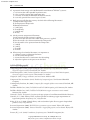
25. An advantage of using a demand pulse flow oxygen delivery system in the home care environment is that:
I. less oxygen is used.
II. it is less expensive for the patient.
III. a humidifier is not required.
a. I
b. II
c. I and II
d. I, II, and III
26. When selecting an oxygen conserving device for ambulatory use, it is important to:
a. select the unit based upon overall cost.
b. perform an ambulatory oxygen saturation trial using the unit.
c. draw arterial blood gases before and after ambulation.
d. none of the above.
Copyright 2005 Thomson Learning, Inc. All Rights Reserved.
May not be copied, scanned, or duplicated, in whole or in part.