1
Licensed to: iChapters User
MEDICAL GAS SUPPLY EQUIPMENT • 31
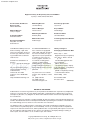
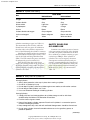
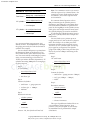
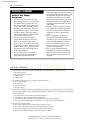
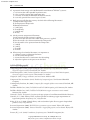
TABLE 1-3 Cylinder Color Coding
Gas
United States
Color Code
International
Oxygen
Green
White
Carbon dioxide
Gray
Gray
Nitrous oxide
Light blue
Light blue
Cyclopropane
Orange
Orange
Helium
Brown
Brown
Carbon dioxide and oxygen
Gray and green
Gray and white
Helium and oxygen
Brown and green
Brown and white
Air
Yellow
White and black
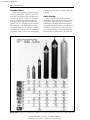
cylinders containing oxygen (see Table 1-3).
The international color is white, while the
United States still uses green. In addition to
the color code, each cylinder is required to
have a label indicating the cylinder’s contents.
Labeling of cylinder contents is required by
the United States Pharmacopeia (USP), a division of the Food and Drug Administration
(FDA). The USP controls the purity standards
of compressed gases for medical use.
If the label and the color code do not
match, the cylinder should not be used and
should be returned to the vendor. The most
reliable indicator of what is contained in the
cylinder is the label.
SAFETY RULES FOR
CYLINDER USE
Common sense and the practice of certain
safety precautions will ensure safety for both
you and your patient. Remember at all times
that a medical gas cylinder contains gas pressurized up to 2200 psi. If the cylinder or
cylinder valve were to rupture, disastrous
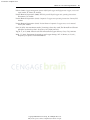
consequences could result. Rules and precautions, recommended by the Compressed
Gas Association and published in their pamphlet “Characteristics and Safe Handling of
Medical Gases, 1971,” are summarized in
Table 1-4.
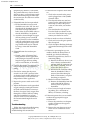
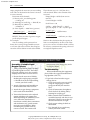
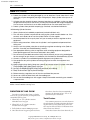
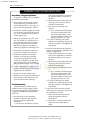
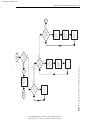
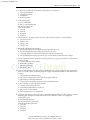
TABLE 1-4 Safety Rules for Cylinder Use
Moving Cylinders
1. Always leave protective valve caps in place when moving a cylinder.
2. Do not lift a cylinder by its cap.
3. Do not drop a cylinder, strike two cylinders against one another, or strike other surfaces.
4. Do not drag or slide cylinders; use a cart.
5. Use a cart whenever loading or unloading cylinders.
Storing Cylinders
1. Comply with local and state regulations for cylinder storage as well as with those
established by the National Fire Protection Association.
2. Post the names of gases stored.
3. Keep full and empty cylinders separate. Place the full cylinders in a convenient spot to
minimize handling of cylinders.
4. Keep storage areas dry, cool, and well ventilated. Storage rooms should be fire-resistant.
5. Do not store cylinders close to flammable substances such as gasoline, grease, or
petroleum products.
(continues)
Copyright 2005 Thomson Learning, Inc. All Rights Reserved.
May not be copied, scanned, or duplicated, in whole or in part.