1
Licensed to: iChapters User
MEDICAL GAS SUPPLY EQUIPMENT • 49
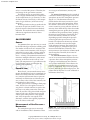
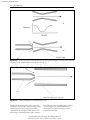
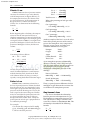
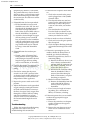
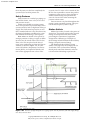
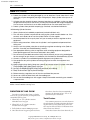
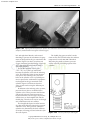
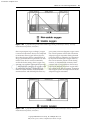
Figure 1-43 A graph illustrating usable and nonusable oxygen during continuous flow delivery. (Courtesy
Puritan Bennett Corporation, Lenexa, KS)
that can participate in gas exchange), oxygen
is conserved when these devices are compared
to continuous flow oxygen delivery devices.
Since these devices deliver a minimal flow of
dry gas, humidification requirements are eliminated. These devices are most commonly
used in the home setting, where oxygen conservation can result in substantial cost savings.
When initially setting up an oxygen system
on ambulatory patients, it is helpful to perform an exercise oximetry study with both
continuous flow and demand pulse flow oxy-
gen systems to insure adequate oxygen saturation. Not all patients will be able to maintain
adequate oxygen saturations during demand
pulse flow delivery. Therefore, it is important
to adjust the demand pulse oxygen delivery
flow rate to meet the patient’s needs during
exercise, as documented by oximetry. Some
patients with severe pulmonary disease may
not tolerate demand pulse flow oxygen delivery systems at all. In these patients, continuous
flow oxygen systems are required to maintain
adequate oxygen saturations.
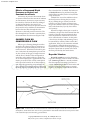
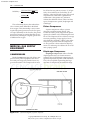
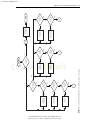
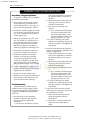
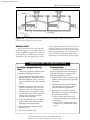
Figure 1-44 A graph illustrating usable and nonusable oxygen during pulsed demand flow delivery. (Courtesy
Puritan Bennett Corporation, Lenexa, KS)
Copyright 2005 Thomson Learning, Inc. All Rights Reserved.
May not be copied, scanned, or duplicated, in whole or in part.