1
Dynamic ARP Inspection Overview
Static Mappings
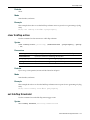
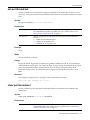
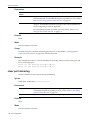
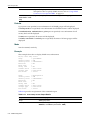
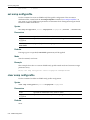
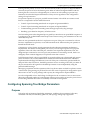
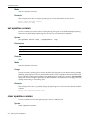
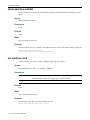
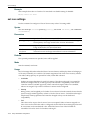
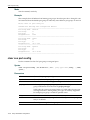
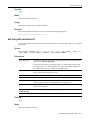
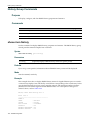
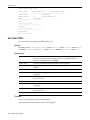
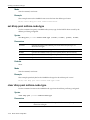
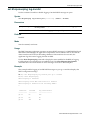
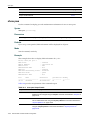
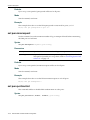
Static mappings are useful when hosts configure static IP addresses, DHCP snooping cannot be run, or other switches in the network do not run dynamic ARP inspection. A static mapping associates an IP address to a MAC address on a VLAN. DAI consults its static mappings before it consults DHCP snooping — thus, static mappings have precedence over DHCP snooping bindings. ARP ACLs are used to define static mappings for DAI. In this implementation, only the subset of ARP ACL syntax required for DAI is supported. ARP ACLs are completely independent of ACLs used for QoS. A maximum of 100 ARP ACLs can be configured. Within an ACL, a maximum of 20 rules can be configured.
Optional ARP Packet Validation
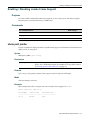
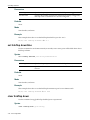
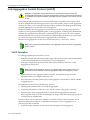
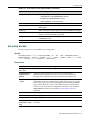
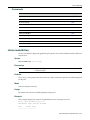
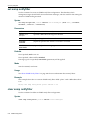
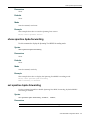
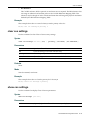
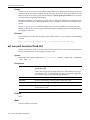
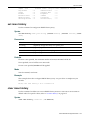
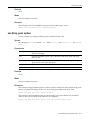
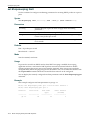
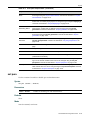
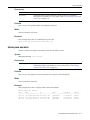
If optional ARP packet validation has been configured, DAI verifies that the sender MAC address equals the source MAC address in the Ethernet header. Additionally, the option to verify that the target MAC address equals the destination MAC address in the Ethernet header can be configured. This check only applies to ARP responses, since the target MAC address is unspecified in ARP requests. You can also enable IP address checking. When this option is enabled, DAI drops ARP packets with an invalid IP address. The following IP addresses are considered invalid:
•
0.0.0.0
•
255.255.255.255
•
All IP multicast addresses
•
All class E addresses (240.0.0.0/4)
•
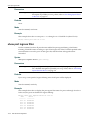
Loopback addresses (in the range 127.0.0.0/8)
Logging Invalid Packets
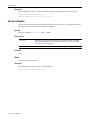
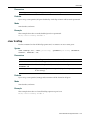
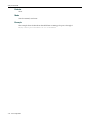
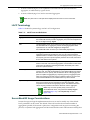
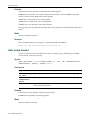
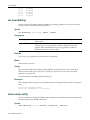
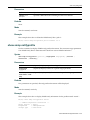
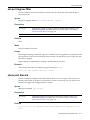
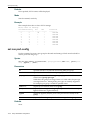
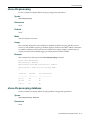
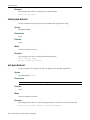
By default, DAI writes a log message to the normal buffered log for each invalid ARP packet it drops. You can configure DAI to not log invalid packets for specific VLANs. Packet Forwarding
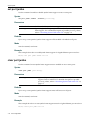
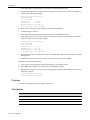
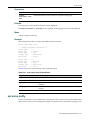
DAI forwards valid ARP packets whose destination MAC address is not local. The ingress VLAN could be a switching or routing VLAN. ARP requests are flooded in the VLAN. ARP responses are unicast toward their destination. DAI queries the MAC address table to determine the outgoing port. If the destination MAC address is local, DAI gives valid ARP packets to the ARP application. Rate Limiting
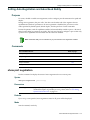
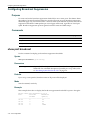
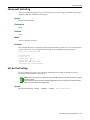
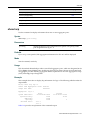
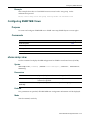
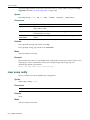
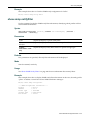
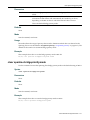
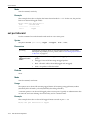
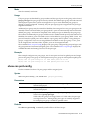
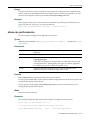
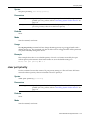
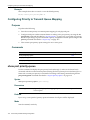
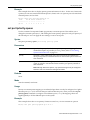
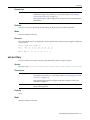
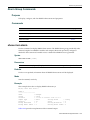
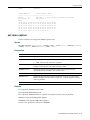
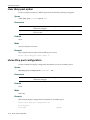
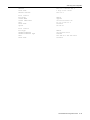
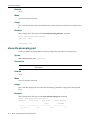
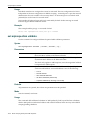
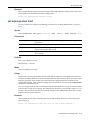
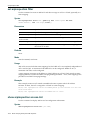
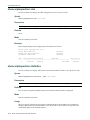
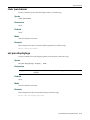
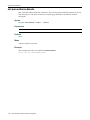
To protect the switch from DHCP attacks when DAI is enabled, the DAI application enforces a rate limit for ARP packets received on untrusted interfaces. DAI monitors the receive rate on each interface separately. If the receive rate exceeds a configurable limit, DAI error disables the interface, which effectively brings down the interface. You can use the set port enable command to reenable the port. You can configure both the rate and the burst interval. The default rate is 15 pps on each untrusted interface with a range of 0 to 100 pps. The default burst interval is 1 second with a range to 1 to 15 seconds.. The rate limit cannot be set on trusted interfaces since ARP packets received on trusted interfaces do not come to the CPU. SecureStack B2 Configuration Guide
18-17