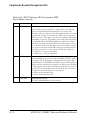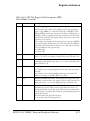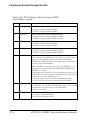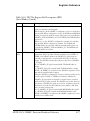
1
Operating Modes
Double Update Mode
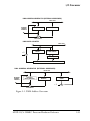
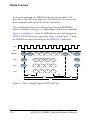
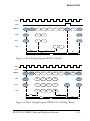
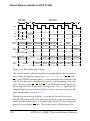
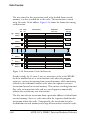
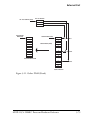
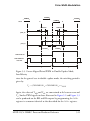
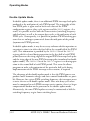
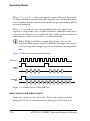
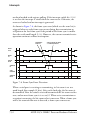
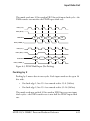
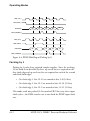
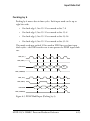
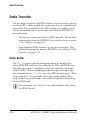
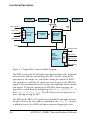
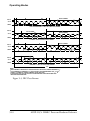
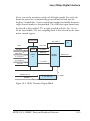
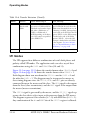
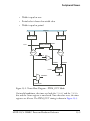
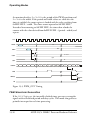
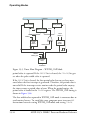
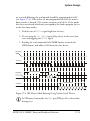
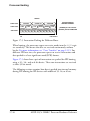
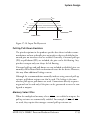
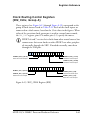
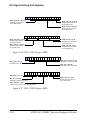
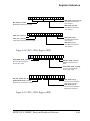
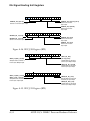
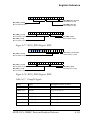
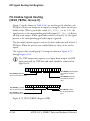
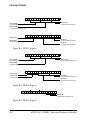
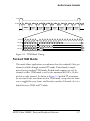
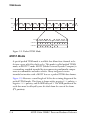
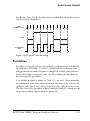
In double update mode, there is an additional PWM interrupt latch pulse
produced at the mid-point of each PWM period. The rising edge of this
new PWM pulse is again used to latch new values of the PWM
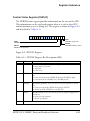
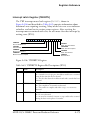
configuration registers, duty cycle registers and the PWMSEG register. As a
result, it is possible to alter both the characteristics (switching frequency
and dead time) as well as the output duty cycles at the mid-point of each
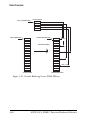
PWM cycle. Consequently, it is possible to produce PWM switching patterns that are no longer symmetrical about the mid-point of the period
(asymmetrical PWM patterns).
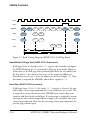
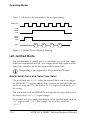
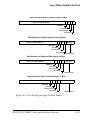
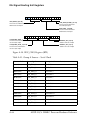
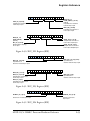
In double update mode, it may be necessary to know whether operation at
any point in time is in either the first half or the second half of the PWM
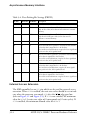
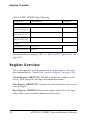
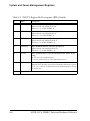
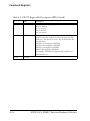
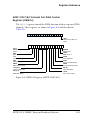
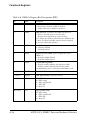
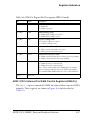
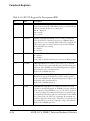
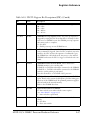
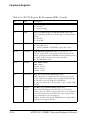
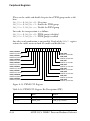
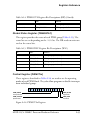
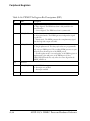
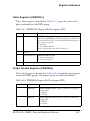
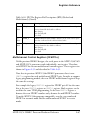
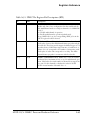
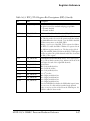
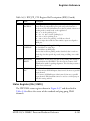
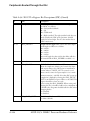
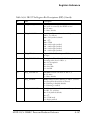
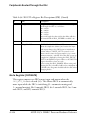
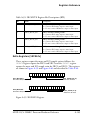
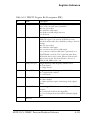
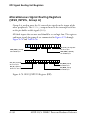
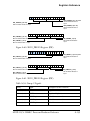
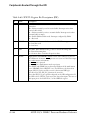
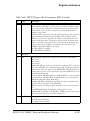
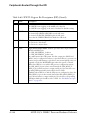
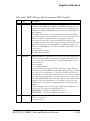
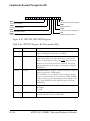
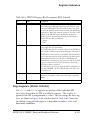
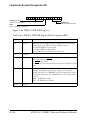
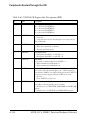
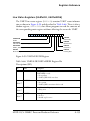
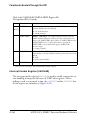
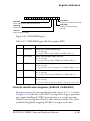
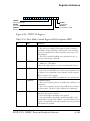
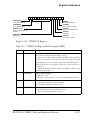
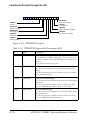
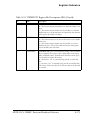
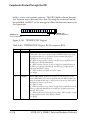
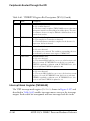
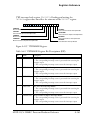
cycle. This information is provided by the PWMPHASE bit of the PWMSTAT
register which is cleared during operation in the first half of each PWM
period (between the rising edge of the original PWM interrupt latch pulse
and the rising edge of the new PWM interrupt pulse introduced in double
update mode). The PWMPHASE bit of the PWMSTAT register is set during operation in the second half of each PWM period. This status bit allows
programs to make a determination of the particular half-cycle during
implementation of the PWM interrupt service routine, if required.
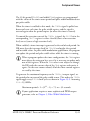
The advantage of the double update mode is that the PWM process can
produce lower harmonic voltages and faster control bandwidths are possible. However, for a given PWM switching frequency, the interrupts occur
at twice the rate as in double update mode. Since new duty cycle values
must be computed in each PWM interrupt service routine, there is a larger
computational burden on the processor in the double update mode.
Alternatively, the same PWM update rate may be maintained at half the
switching frequency to give lower switching losses.
5-22
ADSP-2137x SHARC Processor Hardware Reference