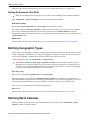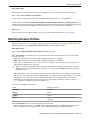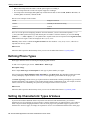
1
External Application Integration
Adding an HTTP Sender
An HTTP sender is one that sends messages to an HTTP server using the HTTP protocol. HTTP senders should
reference an XAI Class of HTTPSNDR.
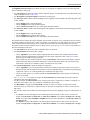
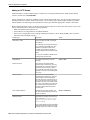
Various parameters are required to establish a session with the target HTTP server. You specify these parameters by
defining a collection of context values for the sender. A set of context types related to HTTP variables is provided
with the product. The following section describes the context types and where appropriate, indicates valid values.
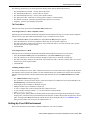
Before defining the HTTP sender, you need to find out how the HTTP server on the other side expects to receive the
request, and in particular, to answer the following questions:
• What is the address of the HTTP server?
• Is the HTTP server using a POST or GET HTTP method?
• If the server is using POST, how are message contents passed? Does it use an HTTP FORM or does it pass the
data in the body of an XML message?
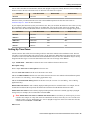
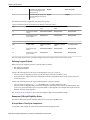
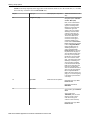
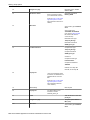
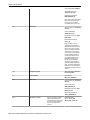
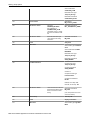
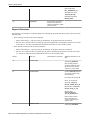
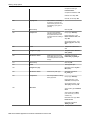
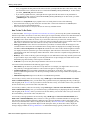
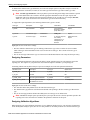
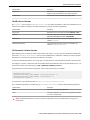
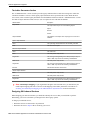
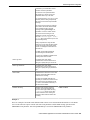
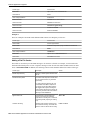
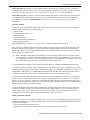
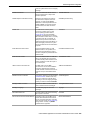
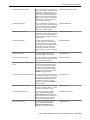
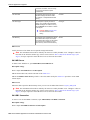
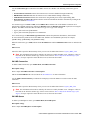
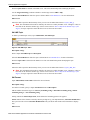
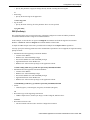
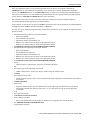
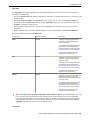
Context Type
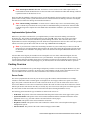
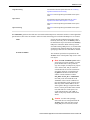
HTTP URL1 - URL9
Description
Values
Used to construct the URL of the target
HTTP server.
Since the URL may be long and complex,
you can break it into smaller parts, each
defined by a separate context record.
The MPL server builds the full URL by
concatenating the values in URL1 through
URL9.
You may use substitution variables when
entering values for URL parts.
HTTP Method
The HTTP method used to send the
message.
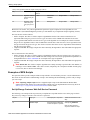
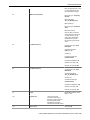
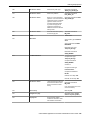
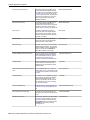
HTTP Proxy Host
If connecting to the remote system
requires using an HTTP Proxy, then this
context field can be used to configure the
HTTP Proxy Host. If the Proxy Host is
set, the Sender class must use the value
specified to connect to the remote system
via a proxy.
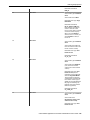
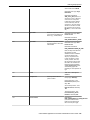
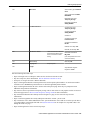
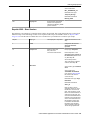
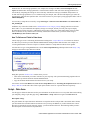
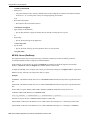
HTTP Proxy Port
If connecting to the remote system
requires using an HTTP Proxy, then this
context field can be used to configure
the HTTP Proxy Port. If the Proxy Port is
set, the Sender class must use the value
specified to connect to the remote system
via a proxy. If the HTTP Proxy Host is not
set, HTTP Proxy Port is ignored and the
connection will be made directly to the
remote system.
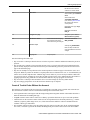
HTTP Transport Method
Specifies the type of the message. You
can either send the message or send and
wait for a response.
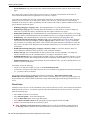
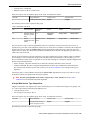
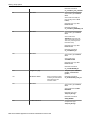
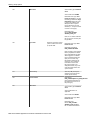
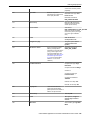
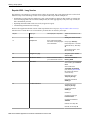
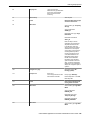
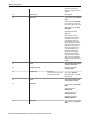
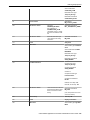
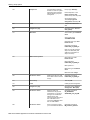
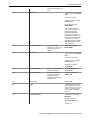
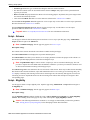
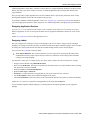
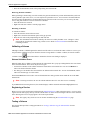
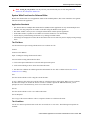
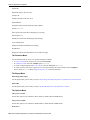
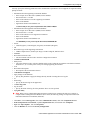
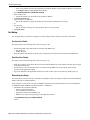
HTTP Form Data
Used when the message is in the format
of an HTML Form ( Content-Type:
application/x-www-formurlencoded).
This context specifies the form parameters
(data) that should be passed in the HTTP
message. Since a form may have multiple
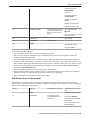
250 • Oracle Utilities Application Framework Administration User's Guide
POST or GET
Send or sendReceive