1
CHAPTER 17. PROTEIN ANALYSES
309
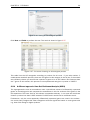
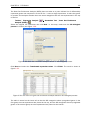
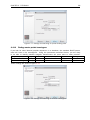
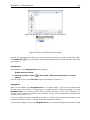
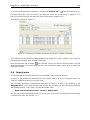
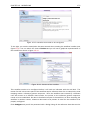
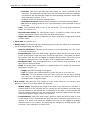
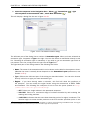
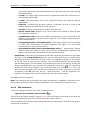
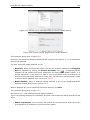
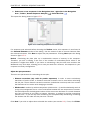
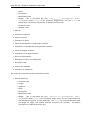
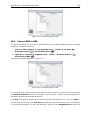
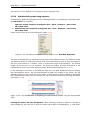
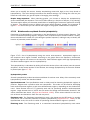
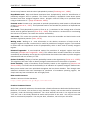
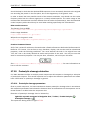
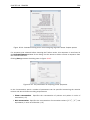
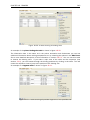
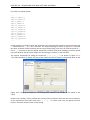
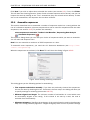
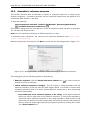
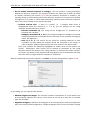
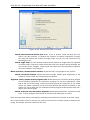
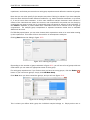
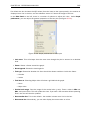
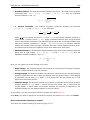
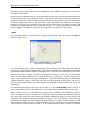
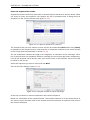
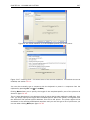
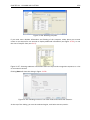
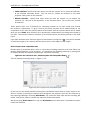
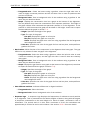
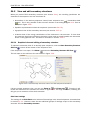
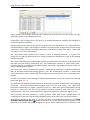
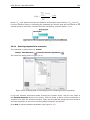
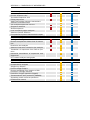
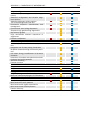
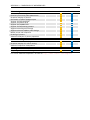
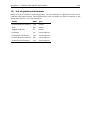
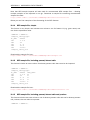
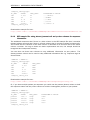
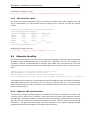
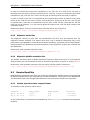
The Codon Frequency Table is used to determine the frequencies of the codons. Select a
frequency table from the list that fits the organism you are working with. A translation table of
an organism is created on the basis of counting all the codons in the coding sequences. Every
codon in a Codon Frequency Table has its own count, frequency (per thousand) and fraction
which are calculated in accordance with the occurrences of the codon in the organism. You can
customize the list of codon frequency tables for your installation, see section L.
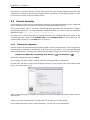
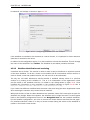
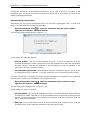
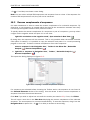
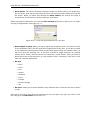
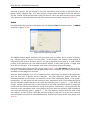
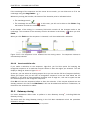
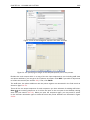
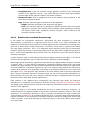
Click Next if you wish to adjust how to handle the results (see section 9.2). If not, click Finish.
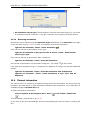
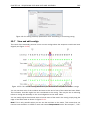
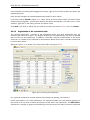
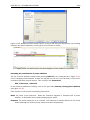
The newly created nucleotide sequence is shown, and if the analysis was performed on several
protein sequences, there will be a corresponding number of views of nucleotide sequences. The
new sequence is not saved automatically. To save the sequence, drag it into the Navigation
Area or press Ctrl + S ( + S on Mac) to show the save dialog.
17.9.2
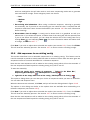
Bioinformatics explained: Reverse translation
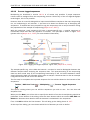
In all living cells containing hereditary material such as DNA, a transcription to mRNA and
subsequent a translation to proteins occur. This is of course simplified but is in general what is
happening in order to have a steady production of proteins needed for the survival of the cell. In
bioinformatics analysis of proteins it is sometimes useful to know the ancestral DNA sequence
in order to find the genomic localization of the gene. Thus, the translation of proteins back to
DNA/RNA is of particular interest, and is called reverse translation or back-translation.
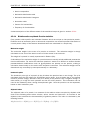
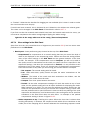
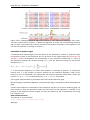
The Genetic Code
In 1968 the Nobel Prize in Medicine was awarded to Robert W. Holley, Har Gobind Khorana and
Marshall W. Nirenberg for their interpretation of the Genetic Code (http://nobelprize.org/
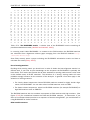
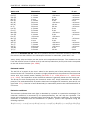
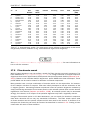
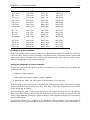
medicine/laureates/1968/). The Genetic Code represents translations of all 64 different
codons into 20 different amino acids. Therefore it is no problem to translate a DNA/RNA
sequence into a specific protein. But due to the degeneracy of the genetic code, several codons
may code for only one specific amino acid. This can be seen in the table below. After the discovery
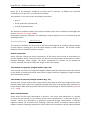
of the genetic code it has been concluded that different organism (and organelles) have genetic
codes which are different from the "standard genetic code". Moreover, the amino acid alphabet
is no longer limited to 20 amino acids. The 21'st amino acid, selenocysteine, is encoded by an
'UGA' codon which is normally a stop codon. The discrimination of a selenocysteine over a stop
codon is carried out by the translation machinery. Selenocysteines are very rare amino acids.
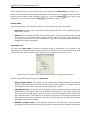
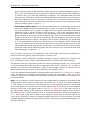
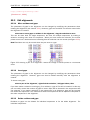
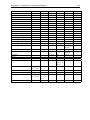
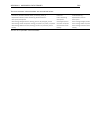
The table below shows the Standard Genetic Code which is the default translation table.