1
CHAPTER 24. RNA STRUCTURE
505
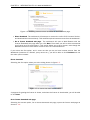
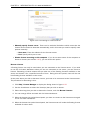
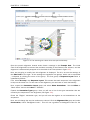
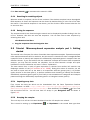
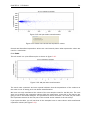
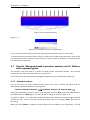
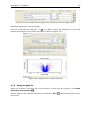
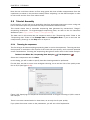
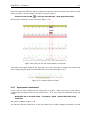
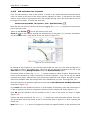
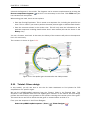
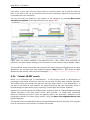
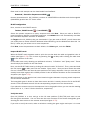
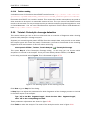
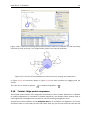
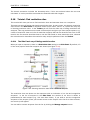
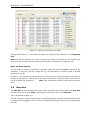
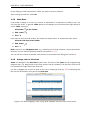
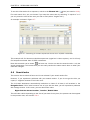
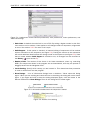
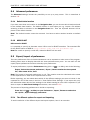
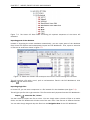
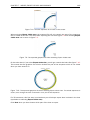
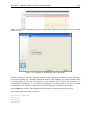
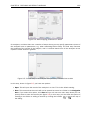
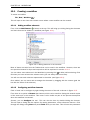
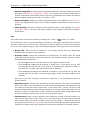
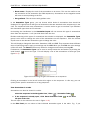
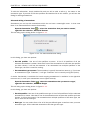
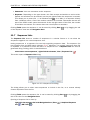
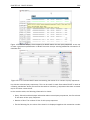
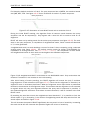
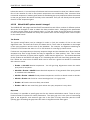
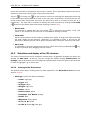
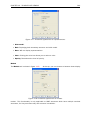
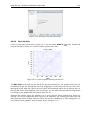
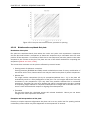
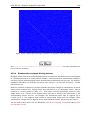
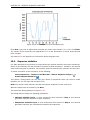
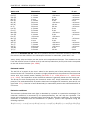
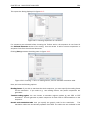
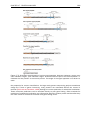
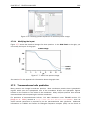
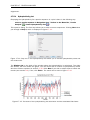
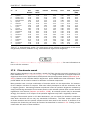
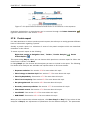
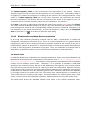
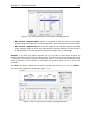
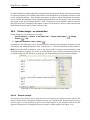
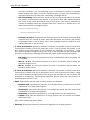
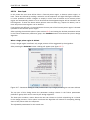
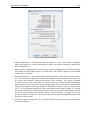
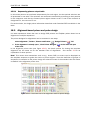
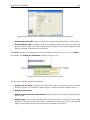
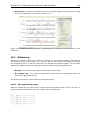
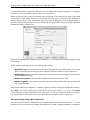
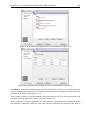
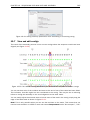
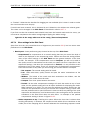
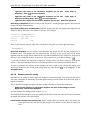
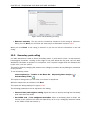
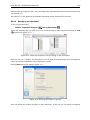
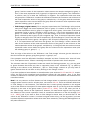
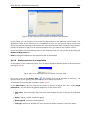
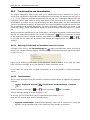
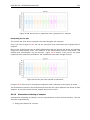
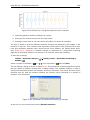
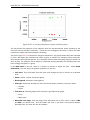
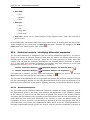
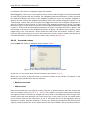
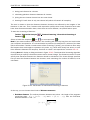
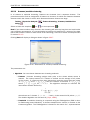
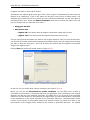
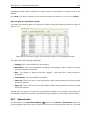
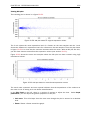
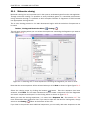
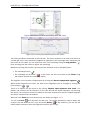
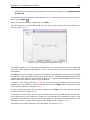
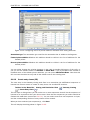
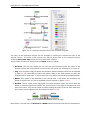
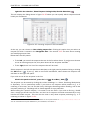
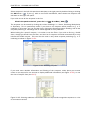
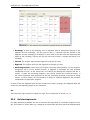
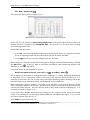
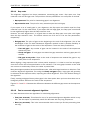
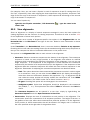
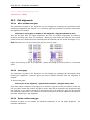
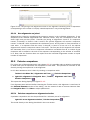
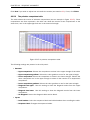
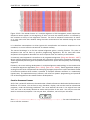
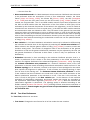
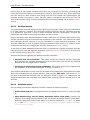
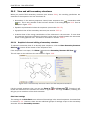
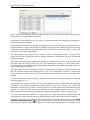
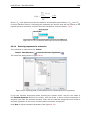
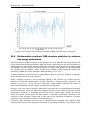
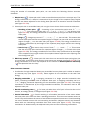
Figure 24.3: The marginal base pair probability of all possible base pairs.
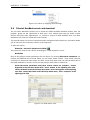
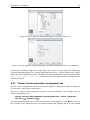
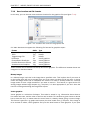
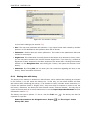
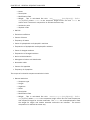
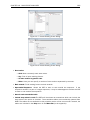
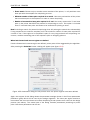
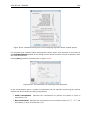
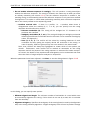
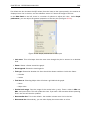
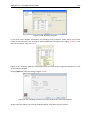
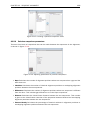
• Include coaxial stacking energy rules. Include free energy increments of coaxial stacking
for adjacent helices [Mathews et al., 2004].
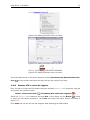
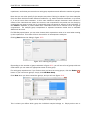
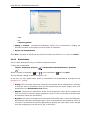
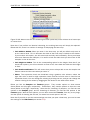
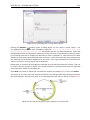
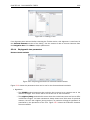
• Apply base pairing constraints. With base pairing constraints, you can easily add
experimental constraints to your folding algorithm. When you are computing suboptimal
structures, it is not possible to apply base pair constraints. The possible base pairing
constraints are:
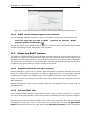
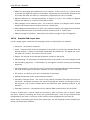
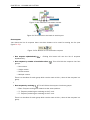
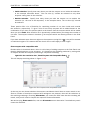
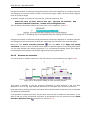
Force two equal length intervals to form a stem.
Prohibit two equal length intervals to form a stem.
Prohibit all nucleotides in a selected region to be a part of a base pair.
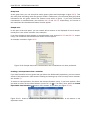
Base pairing constraints have to be added to the sequence before you can use this option
- see below.
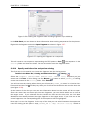
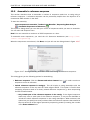
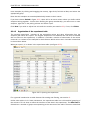
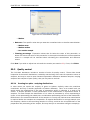
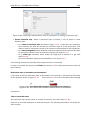
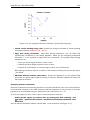
• Maximum distance between paired bases. Forces the algorithms to only consider RNA
structures of a given upper length by setting a maximum distance between the base pair
that opens a structure.
Specifying structure constraints
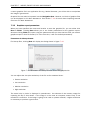
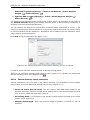
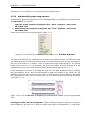
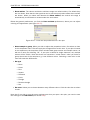
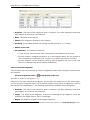
Structure constraints can serve two purposes in CLC Main Workbench: they can act as experimental constraints imposed on the MFE structure prediction algorithm or they can form a structure
hypothesis to be evaluated using the partition function (see section 24.1.3).
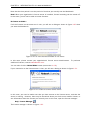
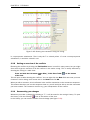
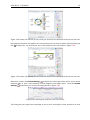
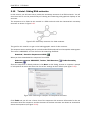
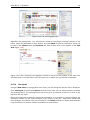
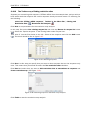
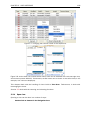
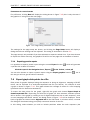
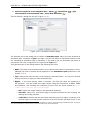
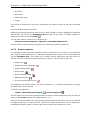
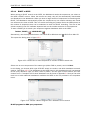
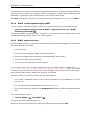
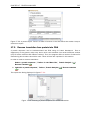
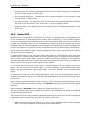
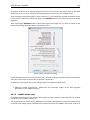
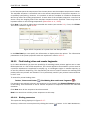
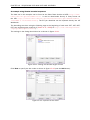
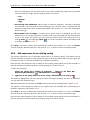
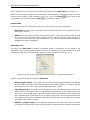
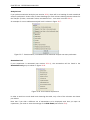
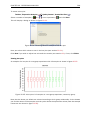
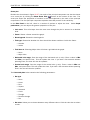
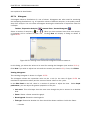
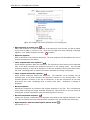
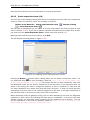
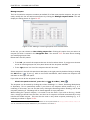
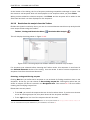
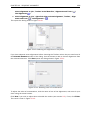
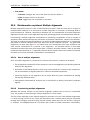
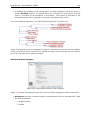
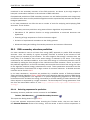
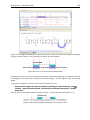
To force two regions to form a stem, open a normal sequence view and:
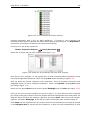
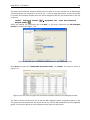
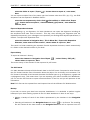
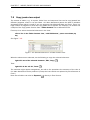
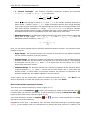
Select the two regions you want to force by pressing Ctrl while selecting - (use
on Mac) | right-click the selection | Add Structure Prediction Constraints| Force
Stem Here
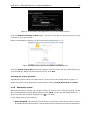
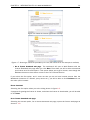
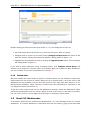
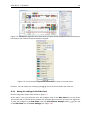
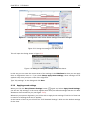
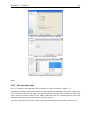
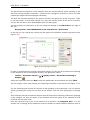
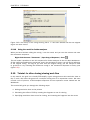
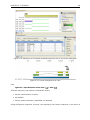
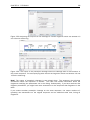
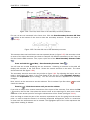
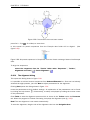
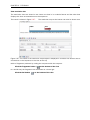
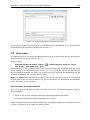
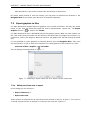
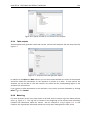
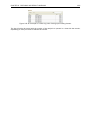
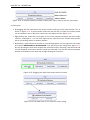
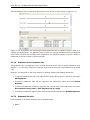
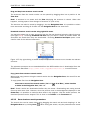
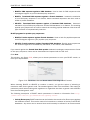
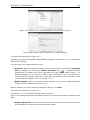
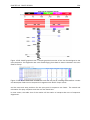
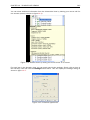
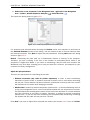
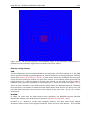
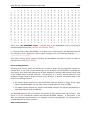
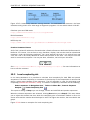
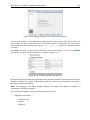
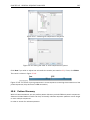
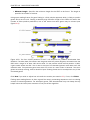
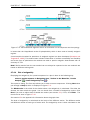
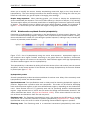
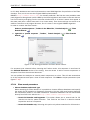
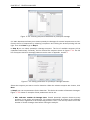
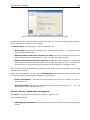
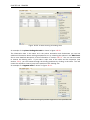
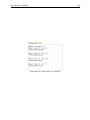
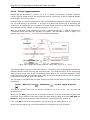
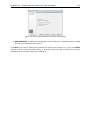
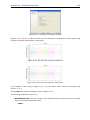
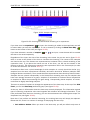
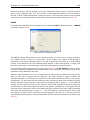
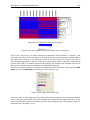
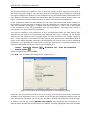
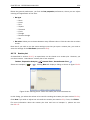
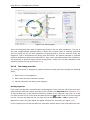
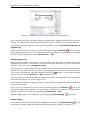
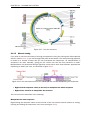
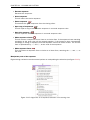
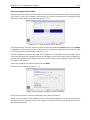
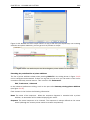
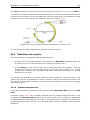
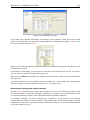
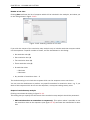
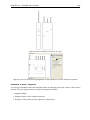
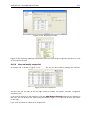
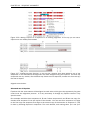
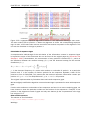
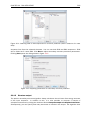
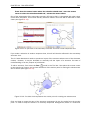
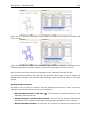
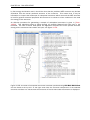
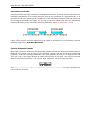
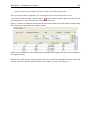
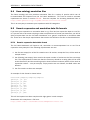
This will add an annotation labeled "Forced Stem" to the sequence (see figure 24.5).